Network simulations
Network simulation is a predictive analysis technique that
-
enables what-if analysis to assess the outcomes of changes in the network model
-
supports capacity planning through simulations
-
helps with forecasting by projecting growth percentages onto demands, and
-
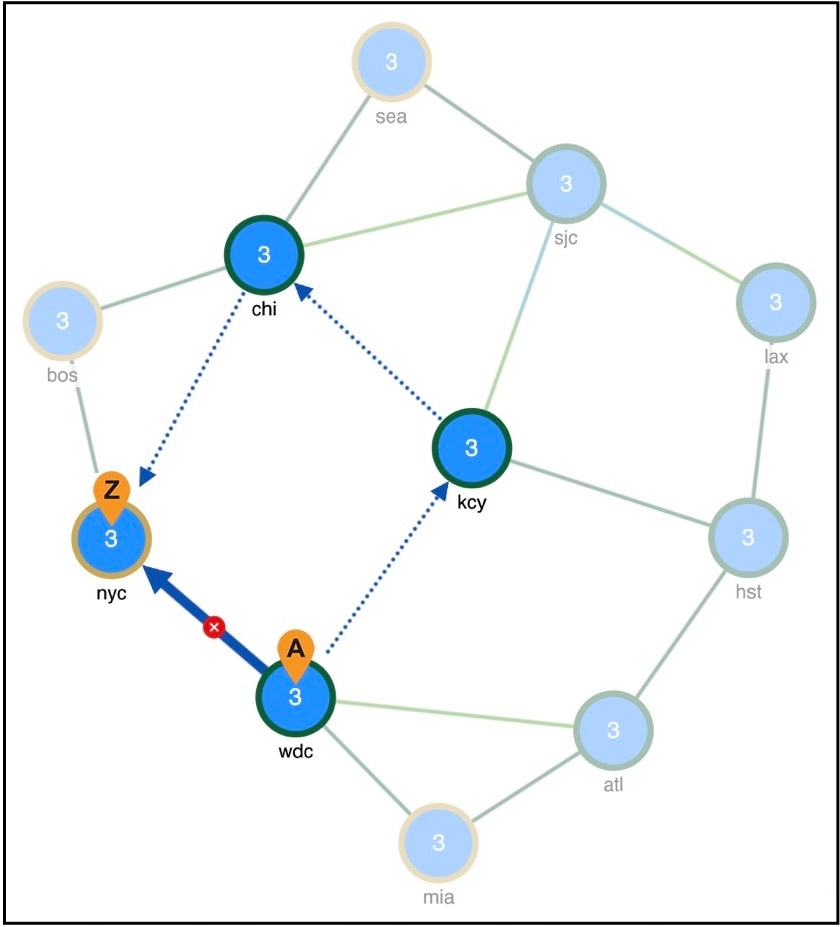
calculates demand routings and traffic distributions throughout the network based on the given traffic demand, network topology, configuration, and state.
Simulation is the fundamental capability of Cisco Crosswork Planning on which most of the other tools are built, including those for planning, traffic engineering, and worst-case failure analysis. The system supports a range of protocols and models, such as IGP, MPLS RSVP-TE, BGP, QoS, VPNs, and Multicast.
Examples
-
What-if analysis: You can examine what happens if you change any aspect of the network model, such as:
-
What happens if a link or a node fails?
-
What happens if you change a metric?
-
What happens if you change the topology?
For more information, refer to Perform What-If Analysis.
-
-
Capacity planning with resiliency analysis: You can simulate what happens if a node, SRLG, LAG, or a site fails. Cisco Crosswork Planning has the Simulation analysis tool to automate this process and provide the analysis. Running the tool displays "worst-case" scenarios that highlight areas most at risk of congestion. The "Failure impact" view displays failures causing the worst case. For more information, refer to Evaluate Impact of Worst-Case Failures.
-
Capacity planning and forecasting: Using the Create growth plans tool, you can apply a growth percentage to a demand or set of demands and project that growth into the future. For more information, refer to Evaluate Impact of Traffic Growth.
 at the top right corner.
 icon in the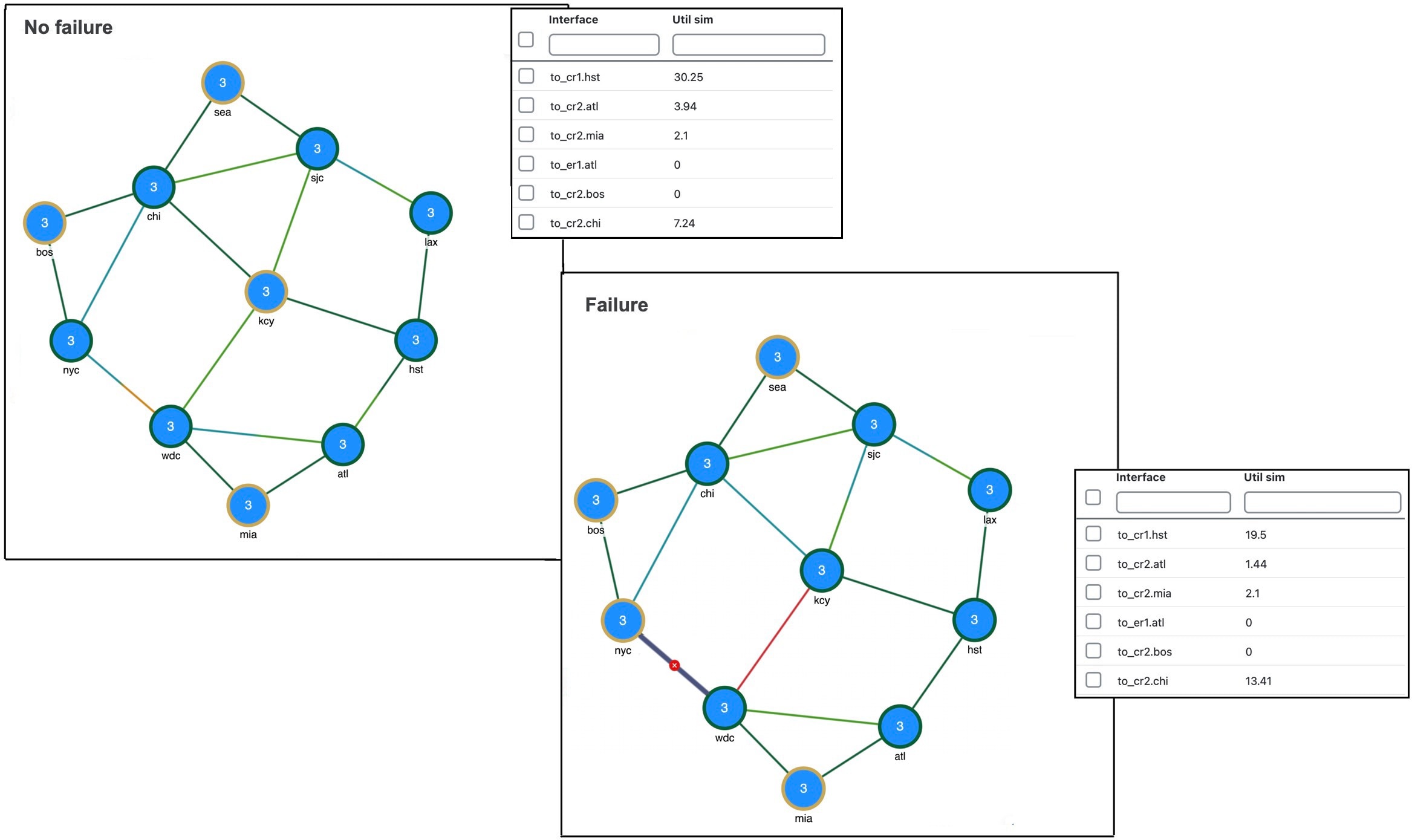
 >
> 
 .
.
 in the toolbar or choose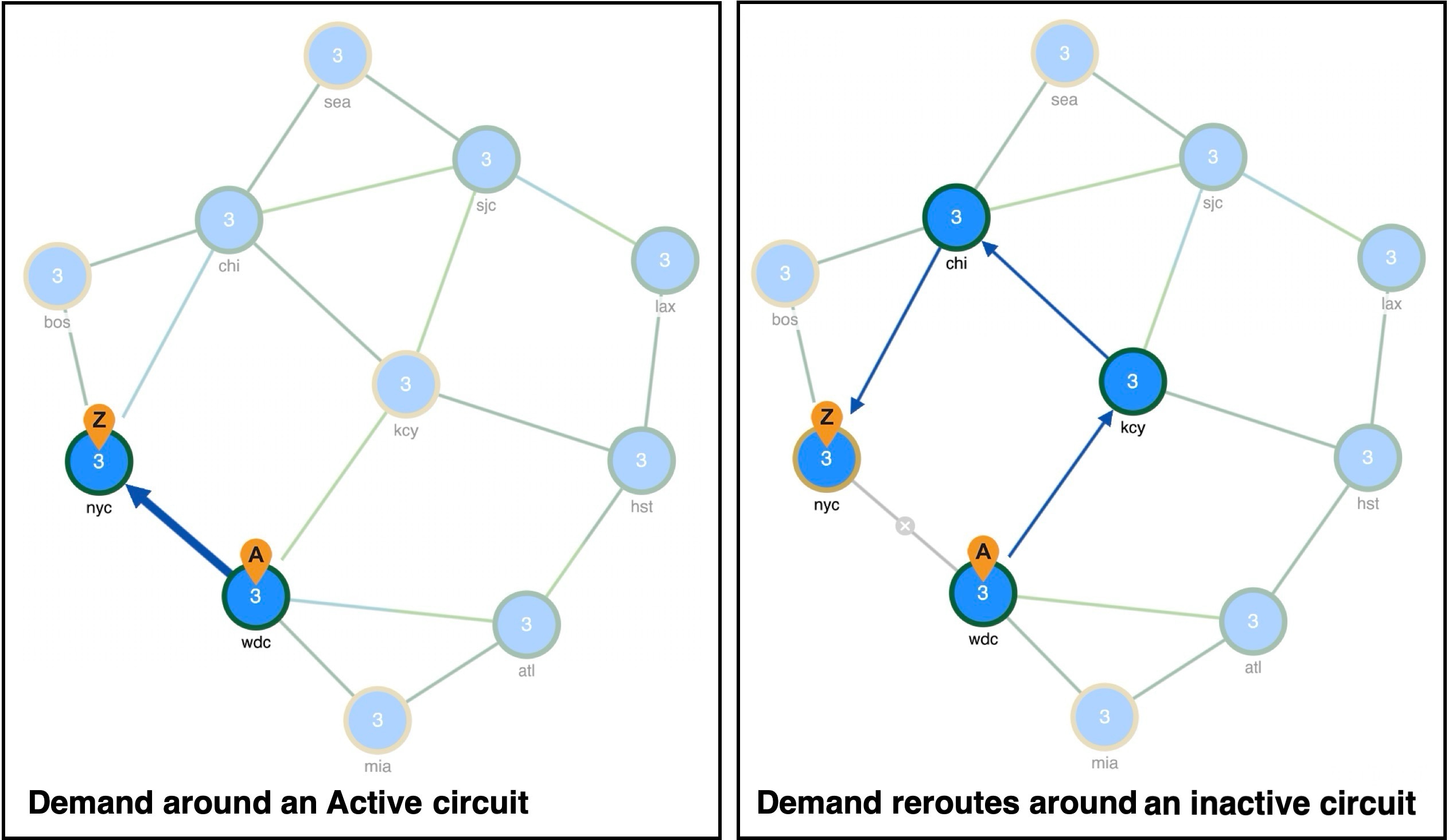
 Feedback