Overview
Orchestrated service provisioning is the primary use case detailed in the Crosswork Network Controller Solution Workflow guide. This feature enables network operators to automate the provisioning of Layer 2 (L2VPN) and Layer 3 (L3VPN) services with underlay transport policies, ensuring compliance with service-level agreements (SLAs). By leveraging intent-based automation, it simplifies complex network configurations, optimizes resource utilization, and enhances service delivery.
The orchestrated service provisioning use case provides step-by-step workflows for multiple scenarios, such as implementing SLA-driven L3VPN services using Segment Routing (SR) or RSVP-TE, creating static paths for critical traffic, and provisioning bandwidth-guaranteed services. These scenarios highlight the flexibility and extensibility of the Crosswork Network Controller, which integrates with tools like Cisco Crosswork Network Services Orchestrator (NSO) for further customization. This capability is vital for modern network operations, enabling faster service deployment, real-time optimization, and seamless scalability in multi-vendor environments.
Additional customization resources available on Cisco DevNet or through engagement with Cisco Customer Experience (CX).
Objective
Provision a set of VPN services with underlay transport policies that will meet and maintain service-level agreements (SLAs) between the service provider and the customer. An SLA defines the service-delivery expectations agreed upon between the service provider and the customer. The SLA details the products or services that the provider is to deliver to the customer, the provider's point of contact to which the customer will bring service issues, and the metrics the provider and customer both use to monitor compliance with the SLA.
Challenge
The service-provider network state changes continuously and so quickly that it is difficult to track and react to network problems fast enough to avoid congestion and maintain SLA compliance. In a typical lifecycle, there is a feedback loop that traditionally requires manual monitoring and intervention, which is time- and resource-intensive.
Solution
With network automation, the objective is to automate the feedback loop to enable quicker reaction to and remediation of network events. With Crosswork Network Controller, network operators can orchestrate L2VPN and L3VPN services across the transport network, via a programmable interface, in a very quick and efficient manner. Segment routing traffic engineering (SR-TE) polices can be configured to continuously track network changes and automatically react to optimize the network. These SR-TE polices can serve as the underlay configuration for the VPN services to automatically maintain the SLAs.
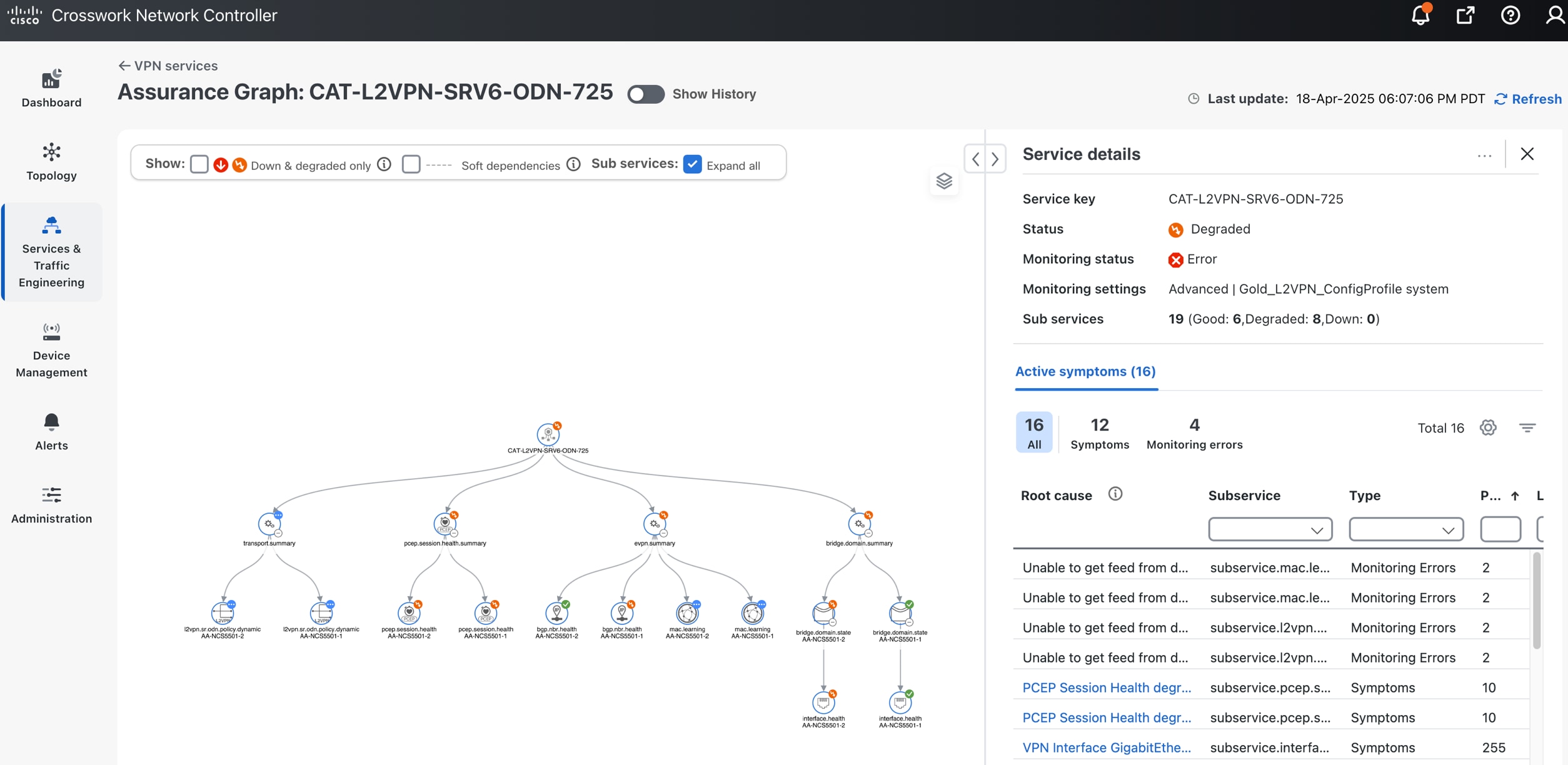
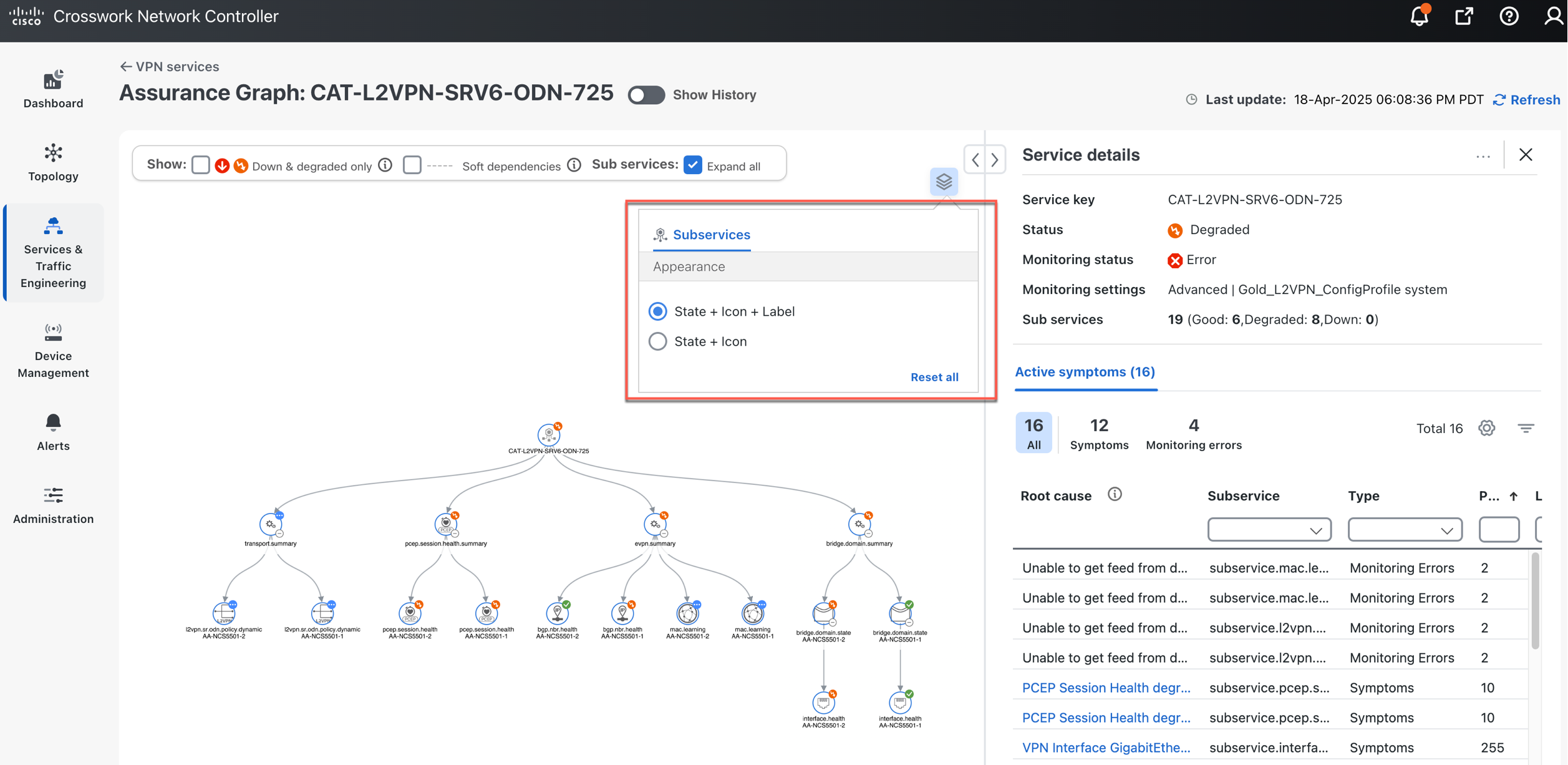
The services required for this solution can be created and managed using the Crosswork Network Controller UI. L2/L3 VPN Yang model-based service intents are implemented using the Cisco Network Services Orchestrator sample function packs, which provide sample service models that can be extended and fine-tuned to meet customer needs. In addition, to see which services are working as provisioned, to monitor flagged issues and view detailed symptoms so to quickly address and fix, you may also enable Service Health monitoring.

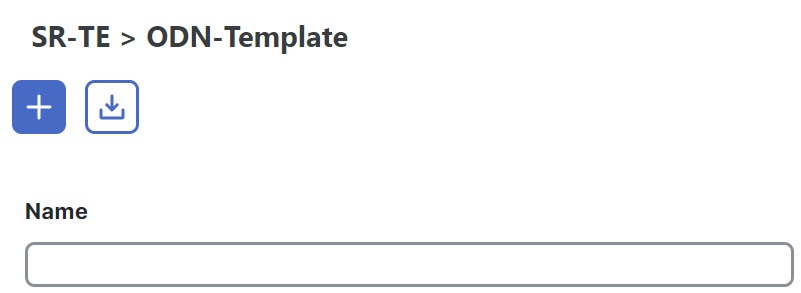
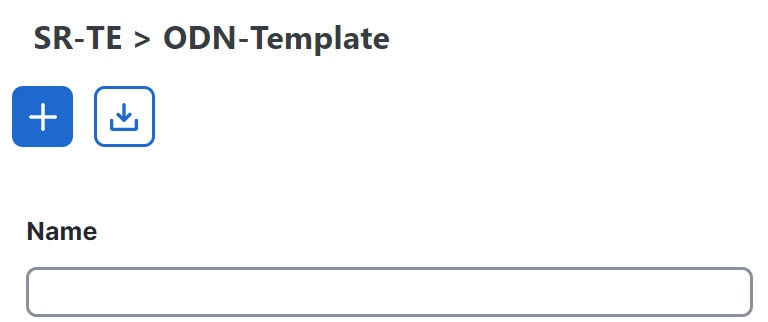
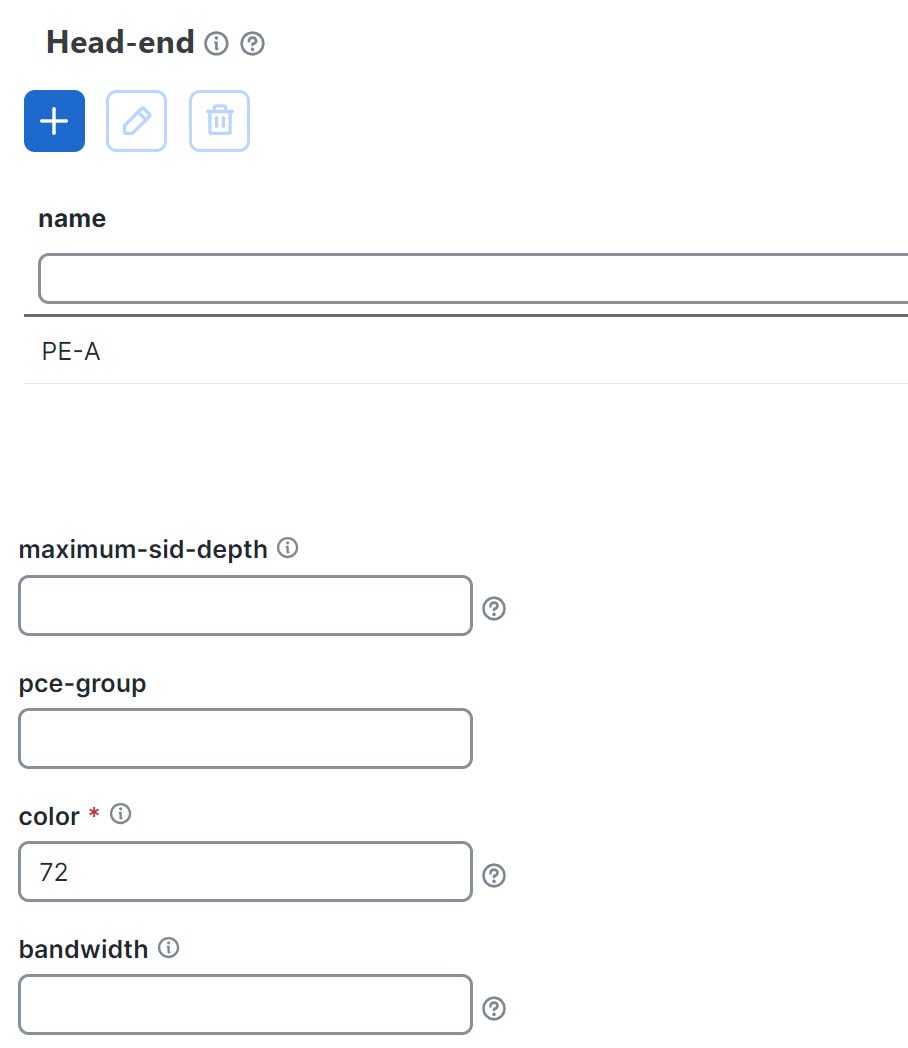
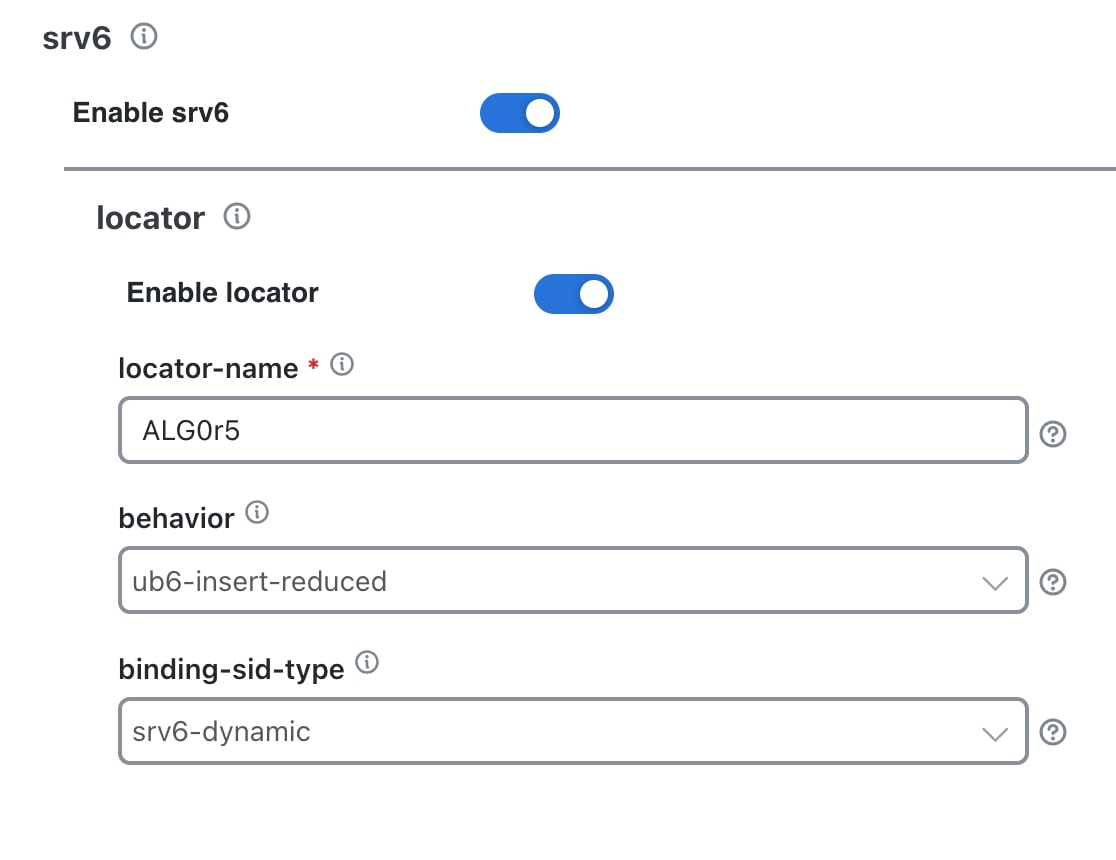
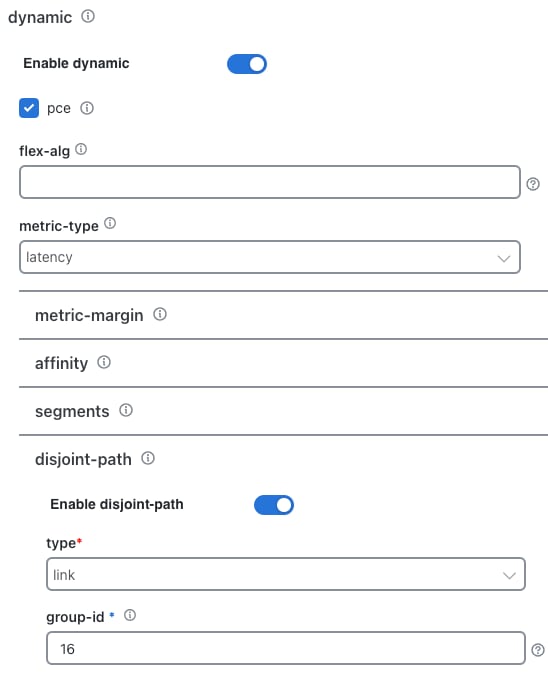
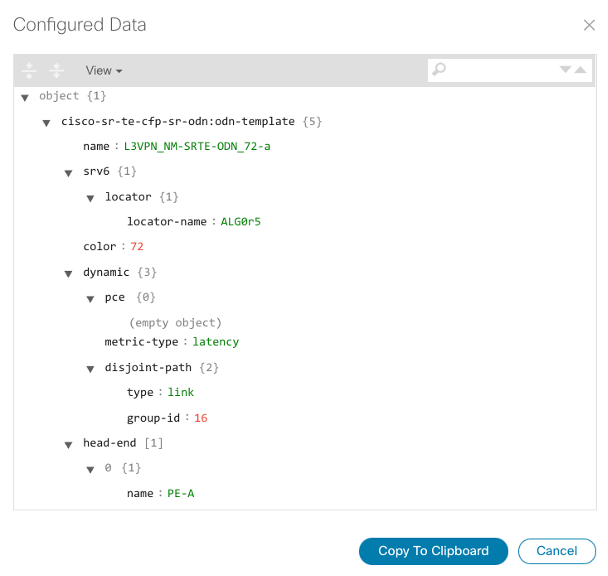
 to create a new template and give it a unique name. In this case, the name is L3VPN_NM-SRTE-ODN_72-a. Click Continue.
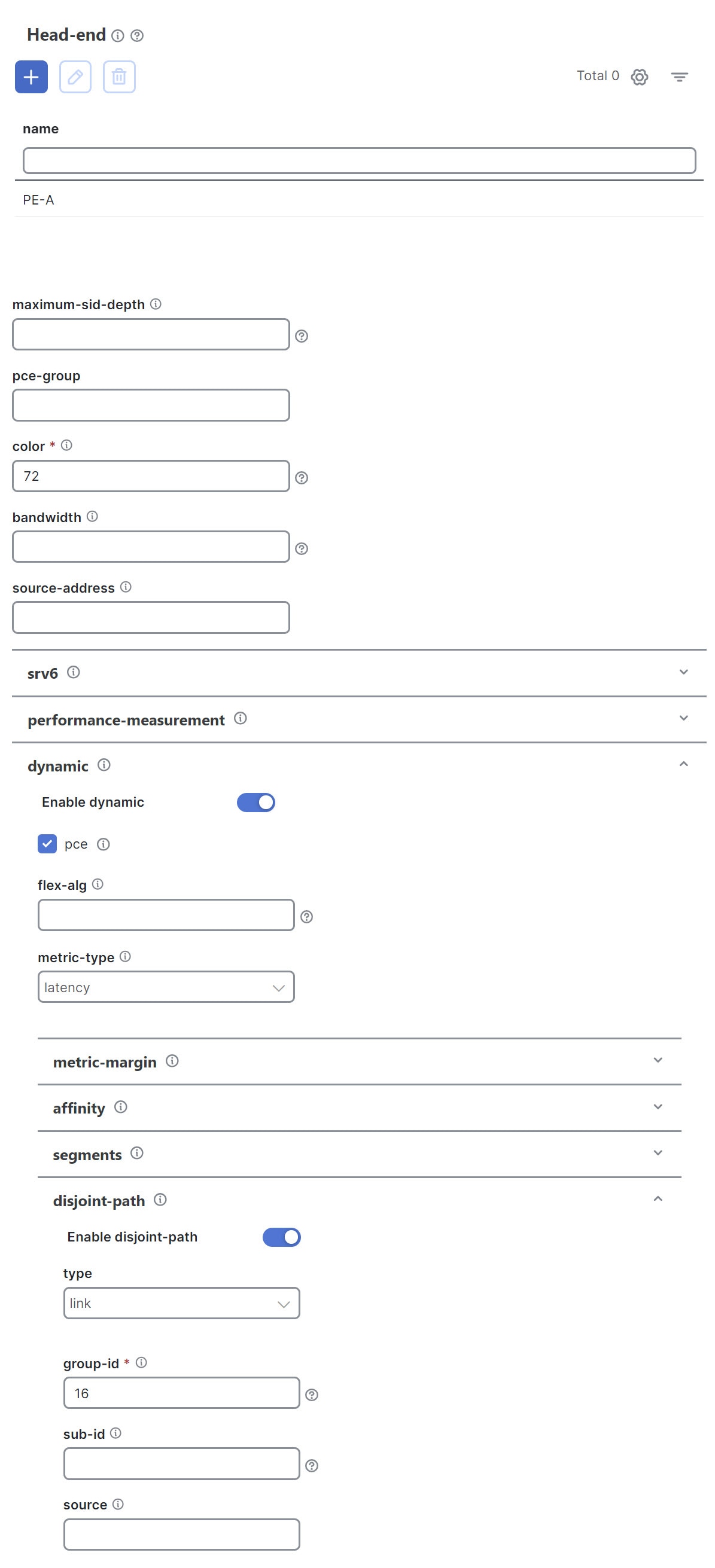
 in the Actions column and choose Config view to see the Yang model-based service intent data that details the ODN template you created.
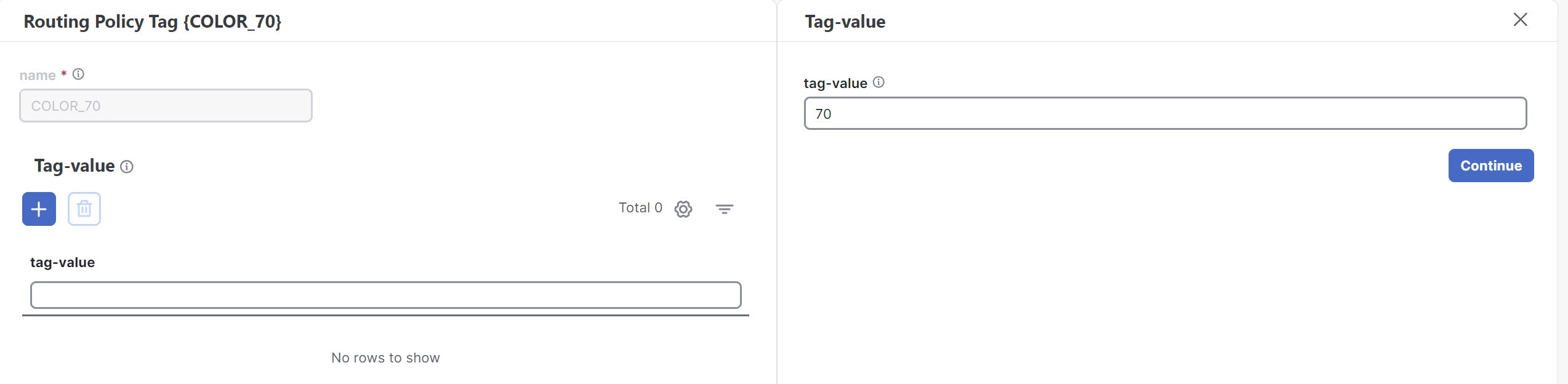
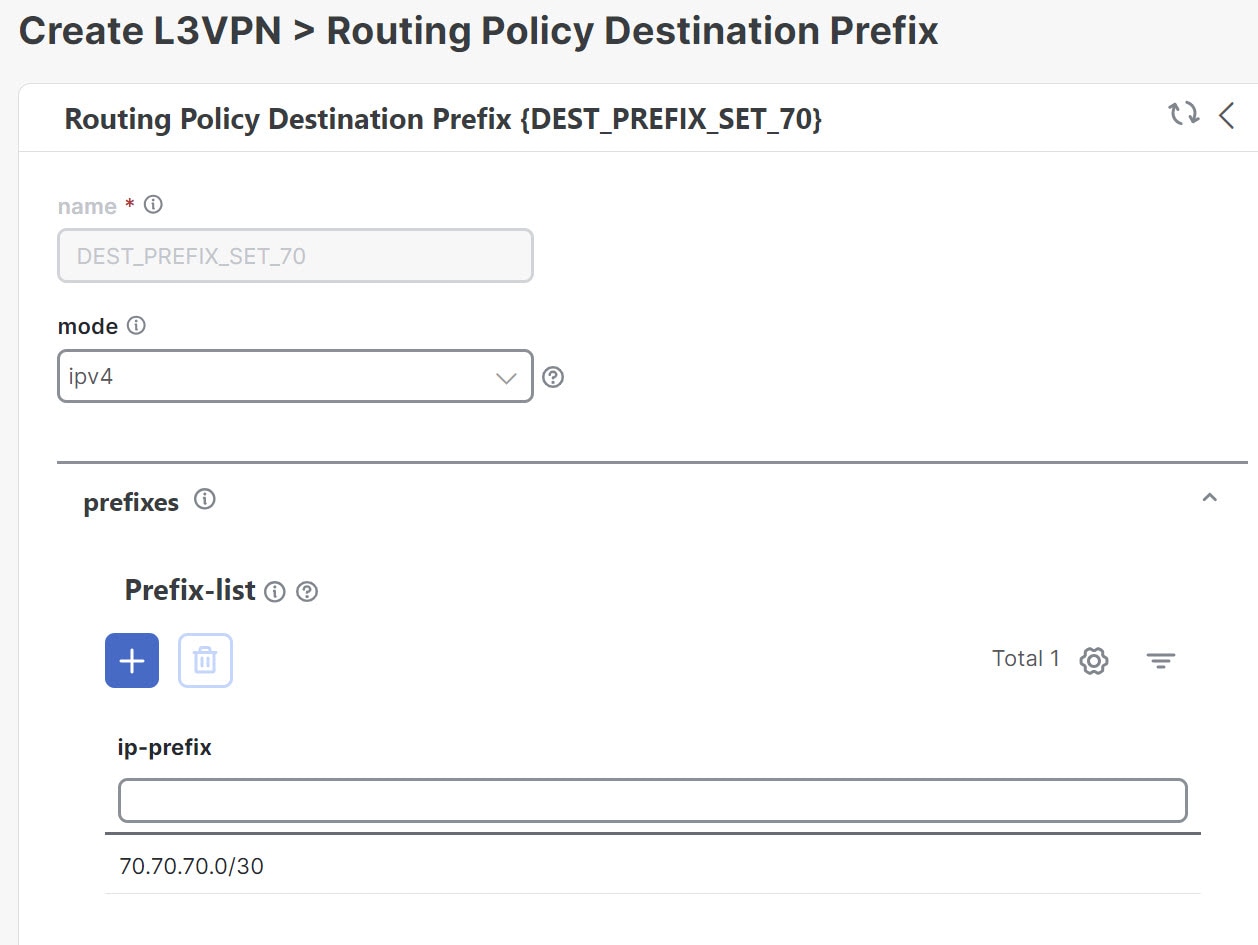
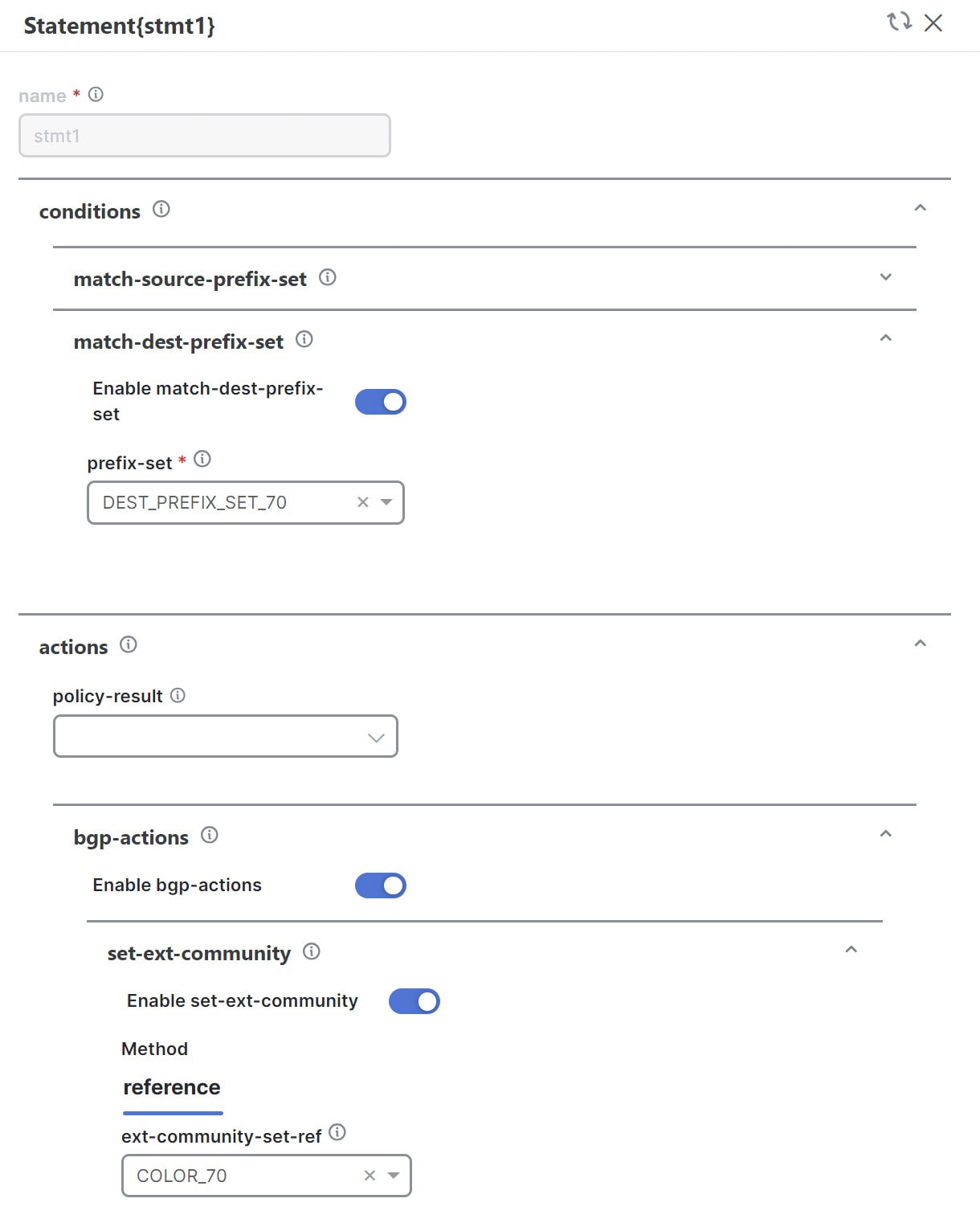
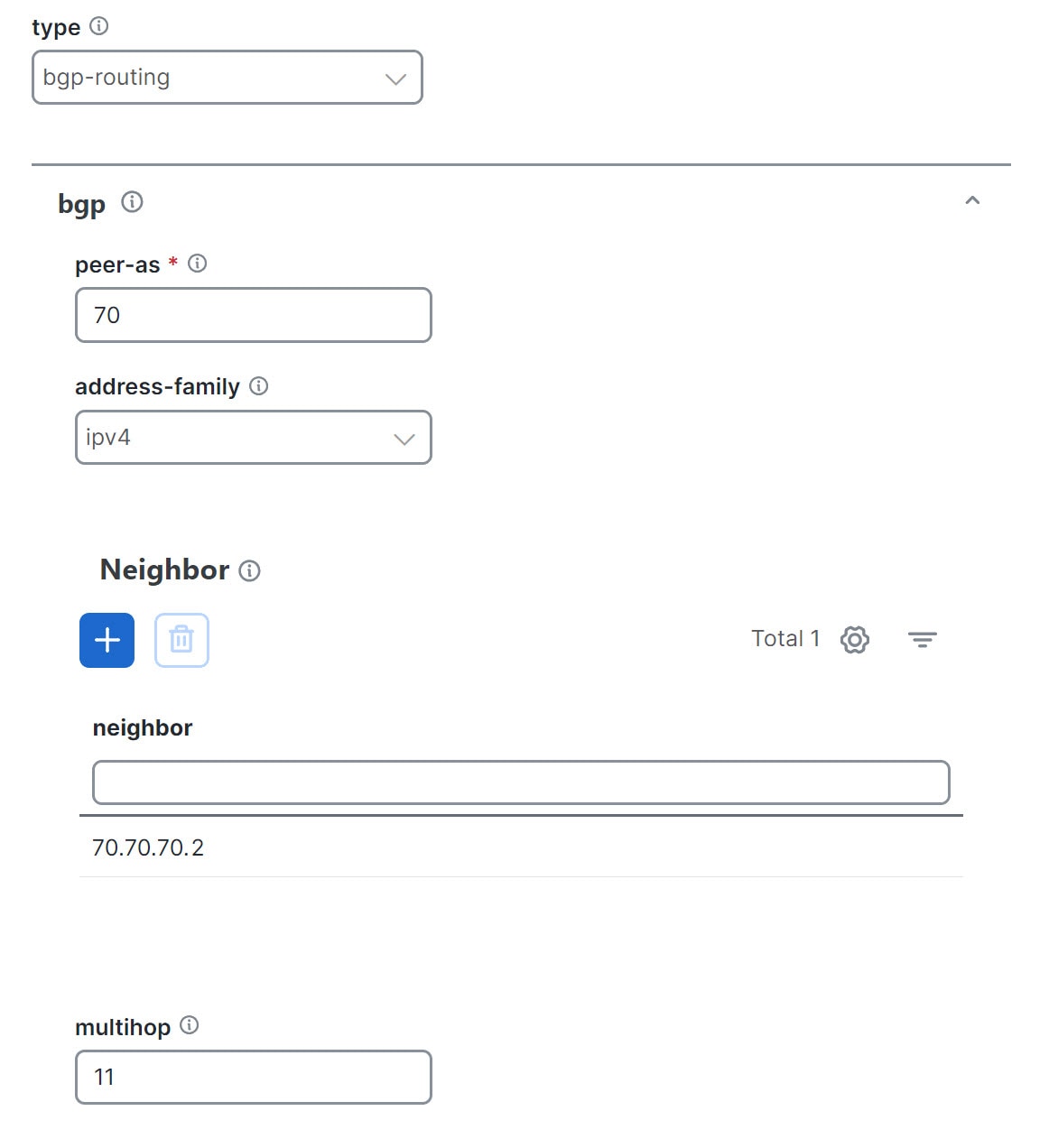
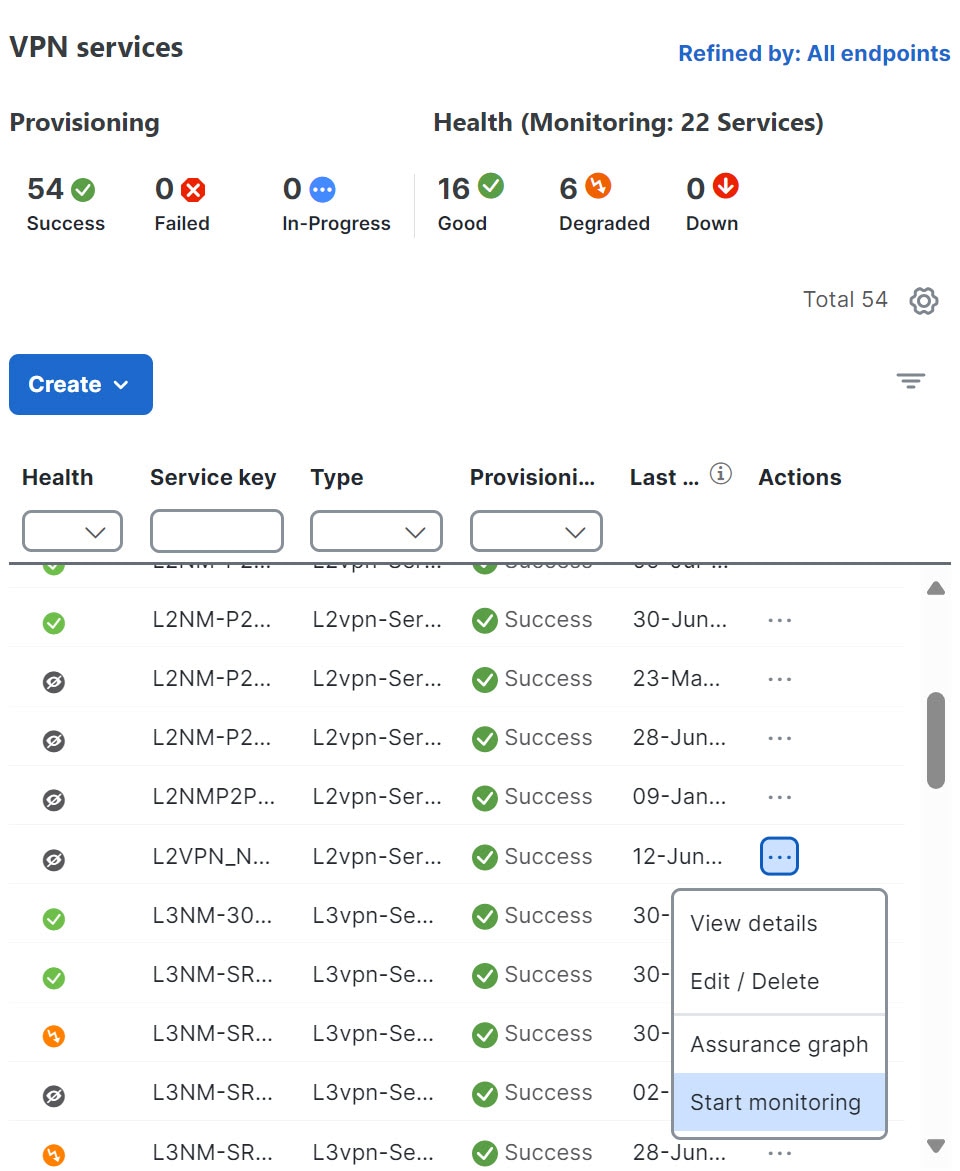
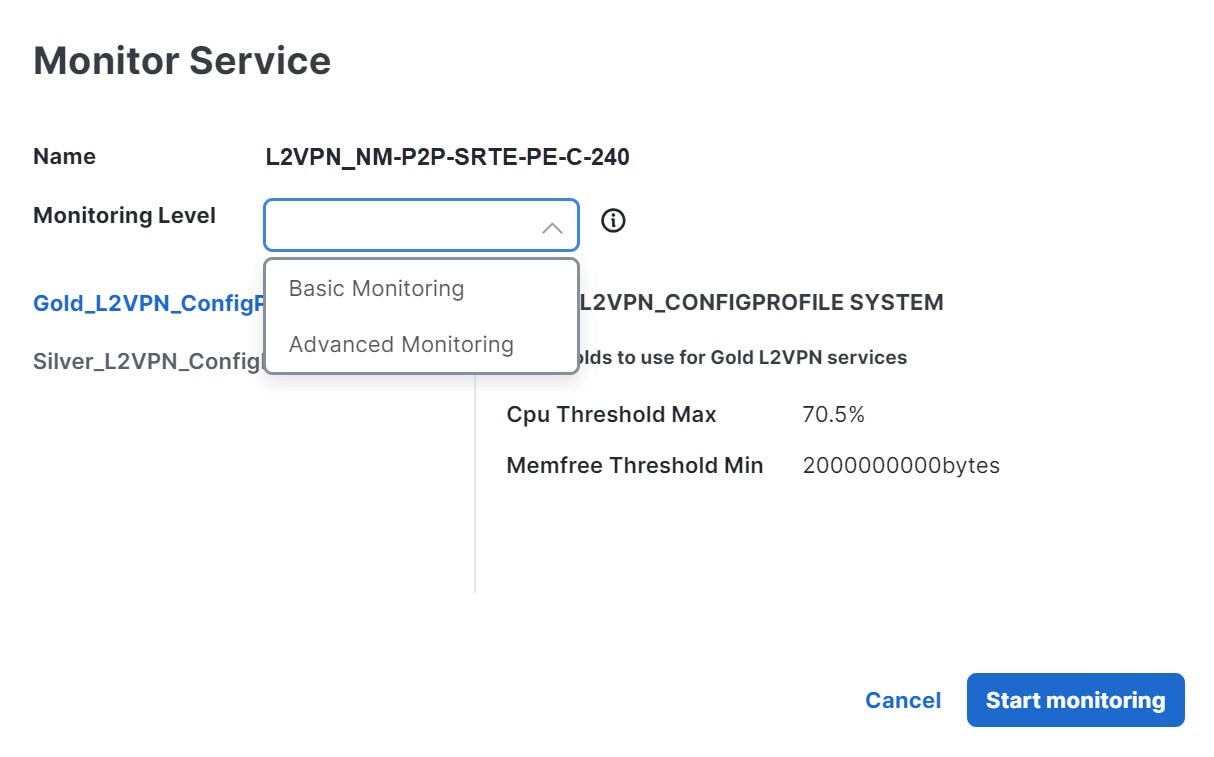
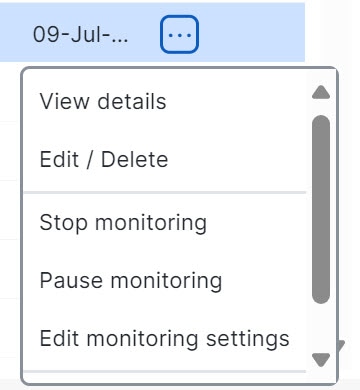
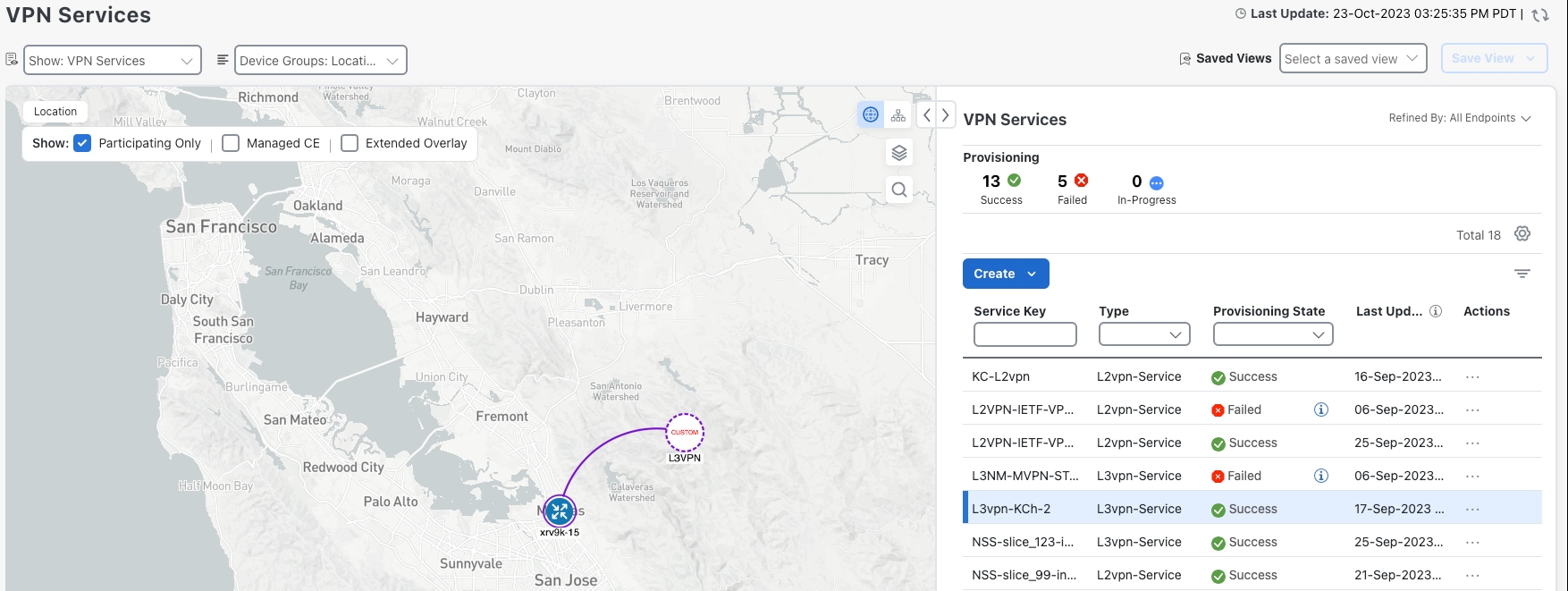
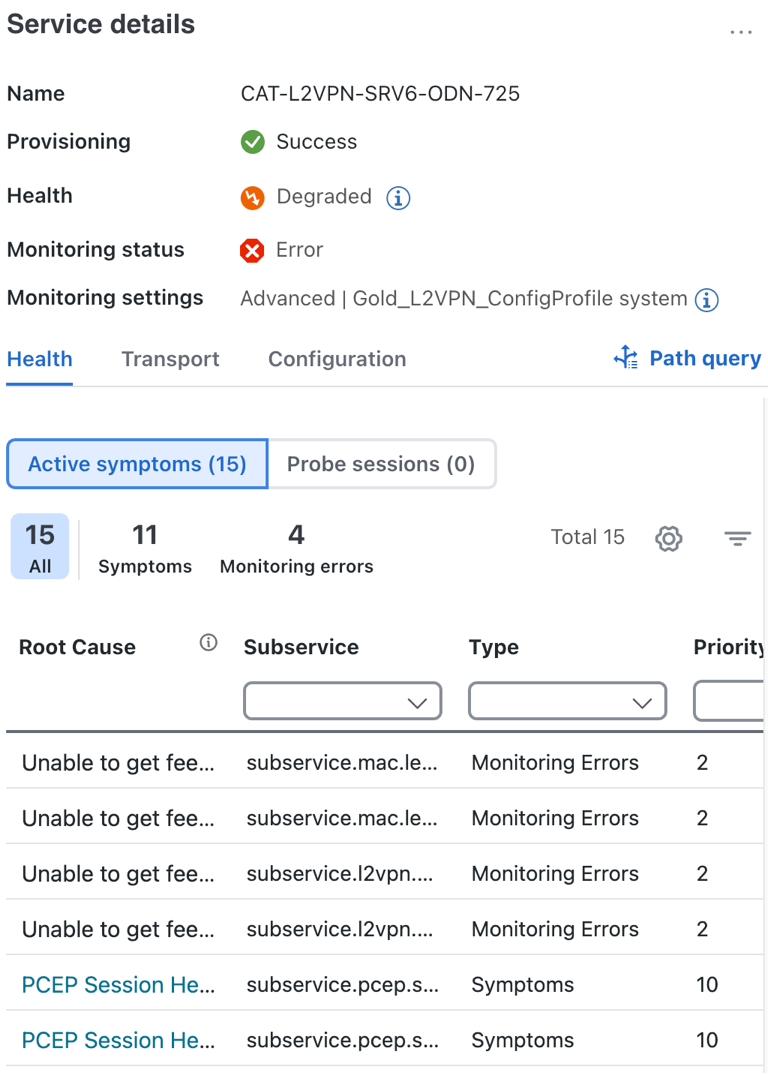
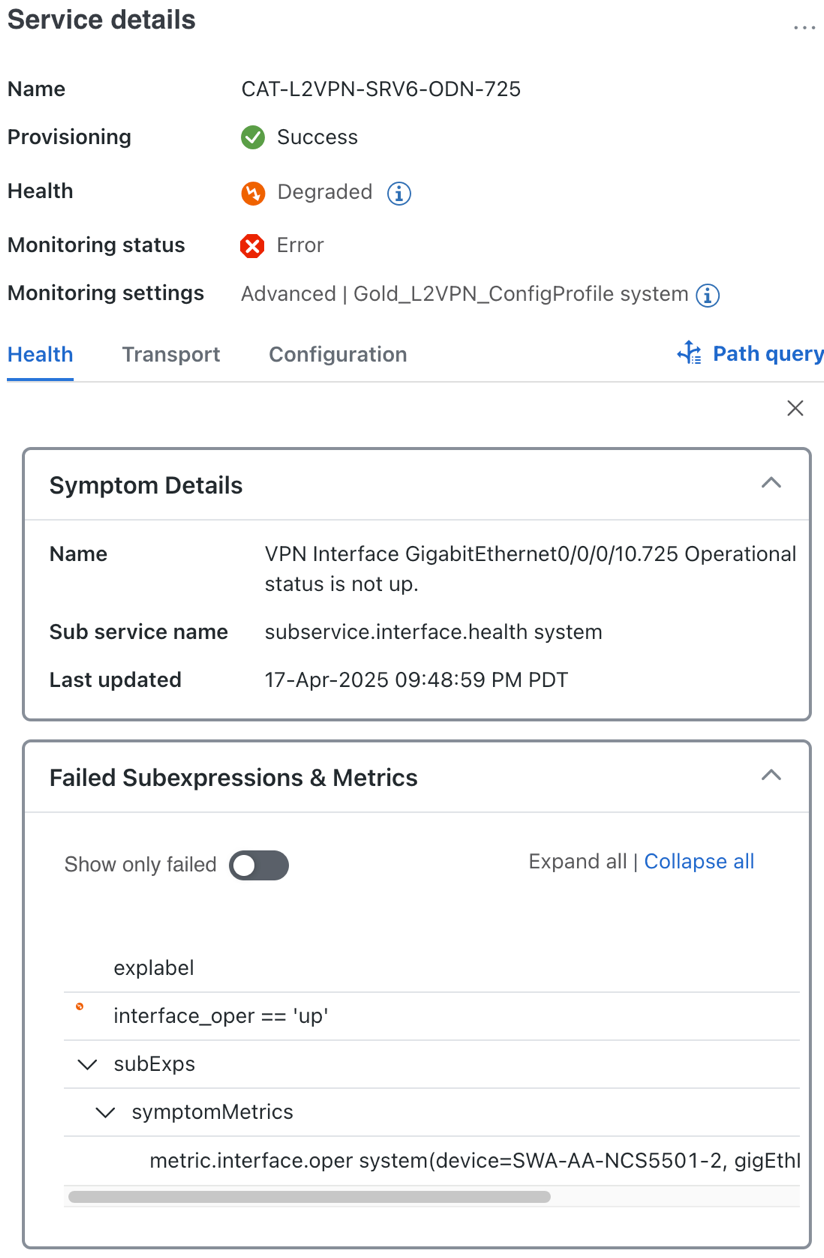
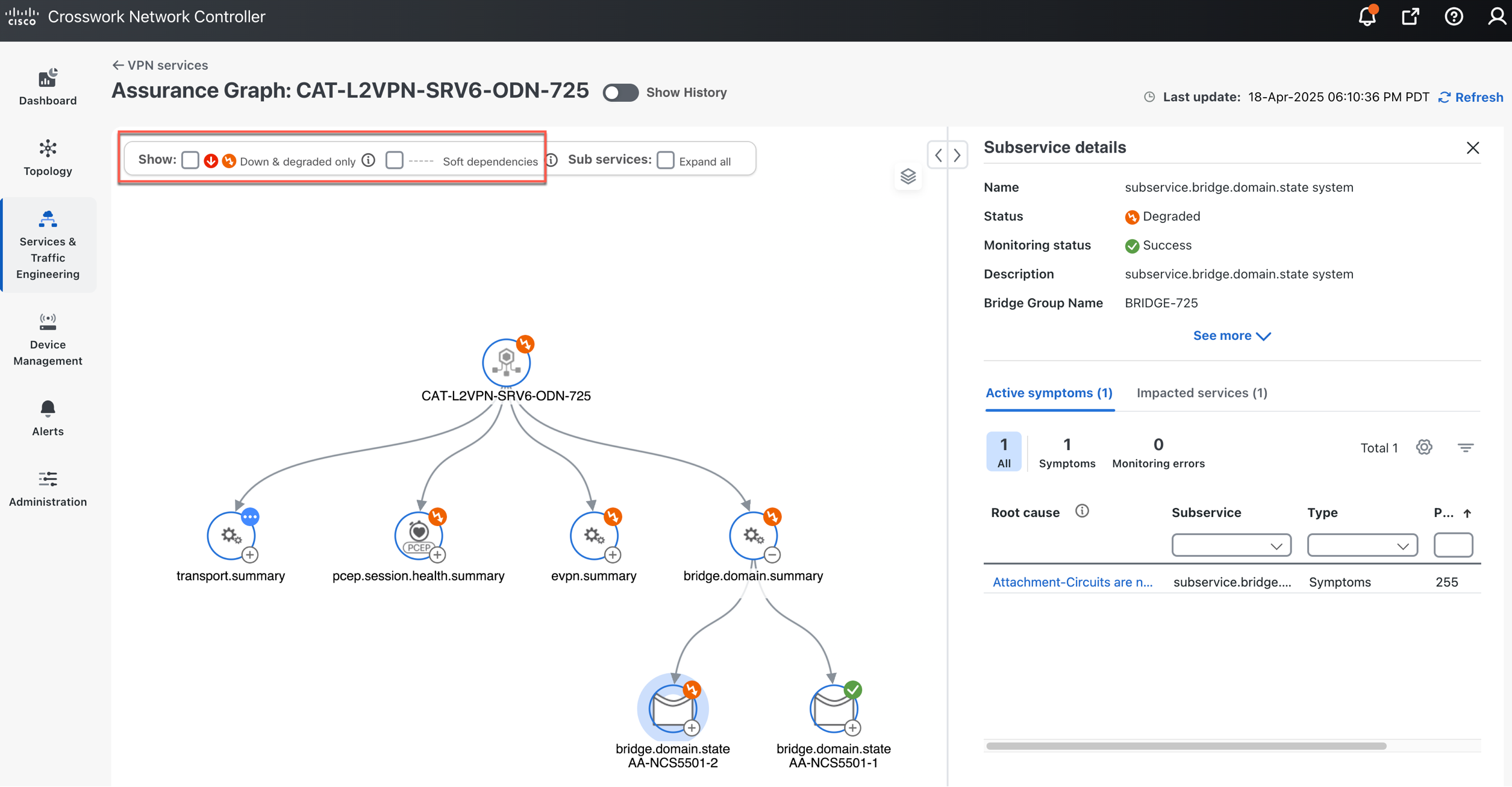
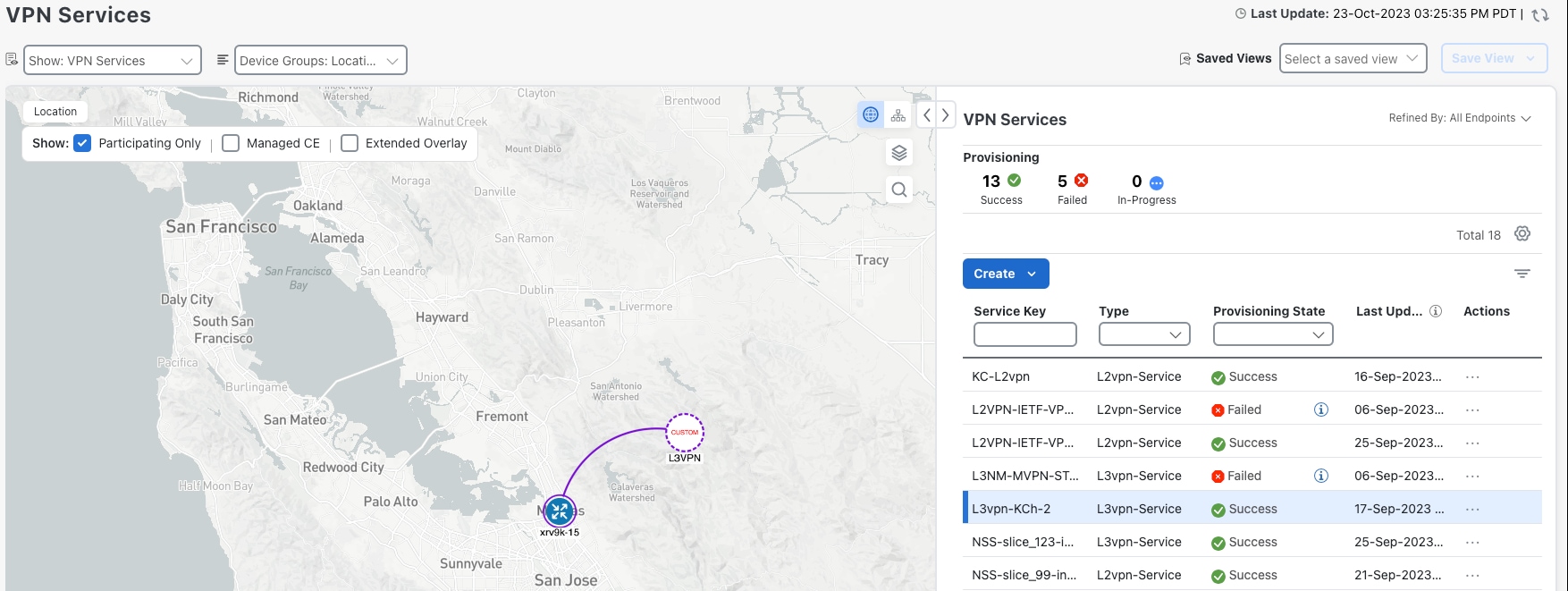
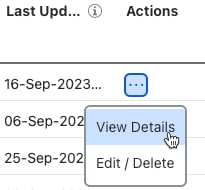
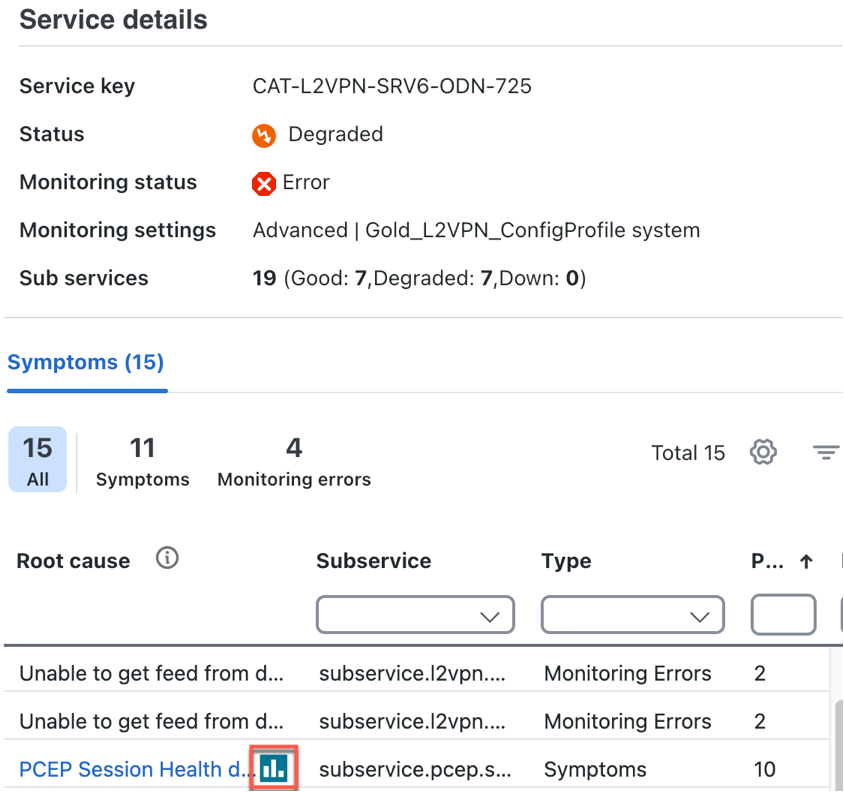
 and choose View details. The Service details panel appears on the right side.
 to download the status of collection jobs for further examination. The information provided is collected in a .csv file when
the export is initiated.
to download the status of collection jobs for further examination. The information provided is collected in a .csv file when
the export is initiated.
 to import.

 . This process exports the collection job status at the time the export is initiated. The information you provide is collected
in a .csv file for export.
. This process exports the collection job status at the time the export is initiated. The information you provide is collected
in a .csv file for export.
 Feedback