Cisco Wireless 9177 Series Access Points Data Sheet

Data Sheet

Available Languages

Download Options

  • PDF
    (615.3 KB)
    View with Adobe Reader on a variety of devices
Updated:June 2, 2026

Bias-Free Language

The documentation set for this product strives to use bias-free language. For the purposes of this documentation set, bias-free is defined as language that does not imply discrimination based on age, disability, gender, racial identity, ethnic identity, sexual orientation, socioeconomic status, and intersectionality. Exceptions may be present in the documentation due to language that is hardcoded in the user interfaces of the product software, language used based on RFP documentation, or language that is used by a referenced third-party product. Learn more about how Cisco is using Inclusive Language.

Available Languages

Download Options

  • PDF
    (615.3 KB)
    View with Adobe Reader on a variety of devices
Updated:June 2, 2026

Table of Contents


Overview. 3

Features and benefits. 3

Product highlights. 4

Platform support 5

Licensing. 6

Product sustainability. 6

Product specifications. 7

Ordering information. 12

Extend enterprise-grade wireless beyond the walls. The Cisco® Wireless 9177 Series delivers high-performance, tri-band Wi-Fi 7 connectivity purpose-built for demanding outdoor environments, from stadiums and campuses to industrial sites and smart cities. With enhanced spectrum efficiency, superior user experiences, and three model options, the 9177 Series gives you the flexibility to design a network tailored to your environment.

Overview

Need enterprise-grade Wi-Fi that performs outdoors as well as it does indoors? The 9177 Series delivers. Built on a tri-radio, tri-band architecture across 2.4 GHz, 5 GHz, and 6 GHz, these Wi-Fi 7 access points support up to 12 spatial streams, providing the coverage, capacity, and reliability your outdoor environments demand.

Engineered for demanding outdoor environments, the 9177 Series combines Wi-Fi 7 (802.11be) performance with purpose-built features for flexible, intelligent deployments:

     Integrated GPS/GNSS for precise location services

     Flexible antenna options: internal omnidirectional, directional, and external, to adapt to any deployment scenario

     Dedicated scanning radio with Cisco CleanAir® Pro for proactive interference mitigation

     Whether you’re extending coverage across a stadium, campus, industrial yard, or smart city deployment, the 9177 Series delivers the speed, reliability, and intelligence to connect your organization today and future-proof it for the AI-driven innovations of tomorrow.

Features and benefits

Table 1.           Specifications

Feature

Benefit

Wi-Fi 7 for outdoors

Supporting Wi-Fi 7 (802.11be), the 9177 Series access points are designed with an IP67 rating for incredible performance in most challenging outdoor environments.

Multiple models for specific coverage

Design your outdoor network for maximum performance and coverage with three access point models to choose from. With internal omnidirectional, internal directional, and external antenna connector designs, you can get the specific unit for the coverage you need.

10G Multigigabit Ethernet and SFP port

Choose your power source with either Power over Ethernet (PoE) or a DC power adapter, so you can quickly and easily upgrade to the 9177 Series.

Bluetooth (BLE)

The integrated BLE 6.0 radio enables location-based use cases such as asset tracking, wayfinding, and analytics.

Accelerometer

In the CW9177I and CW9177D models, a built-in accelerometer allows continuous post-deployment verification of how the access point is installed.

Cisco Ultra Reliable Wireless Backhaul (URWB)

URWB provides ultra-reliable wireless connectivity for moving assets or to extend the network where running fiber isn’t feasible or is too costly. It provides near-zero latency (<10 ms) and zero packet loss with seamless handoffs.

AP power optimizations (AP Power Save mode)

AP Power Save mode allows the access point to reduce its power consumption by shutting off radios during off-hours and weekends – while still being smart enough to reengage all features should they be needed. This both saves power and reduces the carbon footprint of running a wireless network.

Built-in GNSS/GPS

A built-in GNSS/GPS receiver supports Automated Frequency Coordination (AFC) and enables the Global Use AP to intelligently select regulatory domain and location.

CleanAir Pro

Cisco CleanAir Pro applies Cisco’s industry-leading RF interference detection and classification to the 2.4-GHz, 5-GHz, and 6-GHz bands.

Client steering

Client steering helps clients that are 6-GHz capable leave the 5-GHz radio and connect to the 6-GHz radio. Wi-Fi 6E clients are automatically directed to connect to the 6-GHz radio to take advantage of the benefits it offers and free up the 2.4-GHz and 5-GHz radios for legacy clients.

Product highlights

Built for the outdoors. Ready for what’s next.

The Cisco Wireless 9177 Series extends enterprise-grade Wi-Fi to the outdoor places your business depends on most. Stadiums. Campuses. Ports. Rail yards. Smart cities. Wherever you need to connect people, devices, and operations, the 9177 Series delivers the performance, intelligence, and resilience of Cisco networking in a platform purpose-built for the outdoors.

Tri-radio, tri-band Wi-Fi 7 performance.

The 9177 Series brings indoor-class Wi-Fi 7 capacity and low latency outside. A tri-radio, tri-band architecture delivers up to 12 spatial streams across 2.4 GHz, 5 GHz, and 6 GHz, or in 2.4 GHz, dual 5Ghz mode, so you get the speed and capacity to support dense, demanding environments. An IP67-rated enclosure, wide operating temperature range, and tolerance for 100-mph sustained winds help keep the network running through extreme heat, cold, wind, and weather.

Key capabilities:

     Tri-radio, tri-band Wi-Fi 7 with up to 12 spatial streams

     IP67-rated, hardened design for harsh outdoor conditions

Three models. One flexible platform.

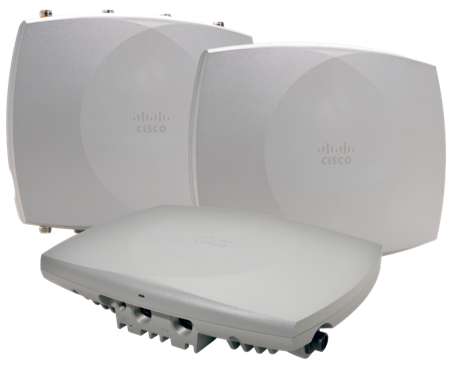
Outdoor environments vary, and your access points should adapt to each one. The 9177 Series offers three models to match your coverage needs. The CW9177I uses internal omnidirectional antennas for broad coverage. The CW9177D uses internal directional antennas for focused, long-range signal. The CW9177E supports external antennas for fully customized RF designs. A built-in GNSS/GPS receiver enables AFC and intelligent regulatory-domain selection. And because the hardware is unified, you can manage the same access point on-premises with Cisco Wireless 9800 Series controllers or in the cloud with Meraki®, with no hardware swap required.

Key capabilities:

     Three models: omnidirectional, directional, and external antenna and various mounting options

     Integrated GNSS/GPS for AFC and location intelligence

     One device, one license, managed on-premises, in the cloud, or both

Platform support

Table 2.           Supported antennas

Product ID

Description

CW-ANT-T-D4-N

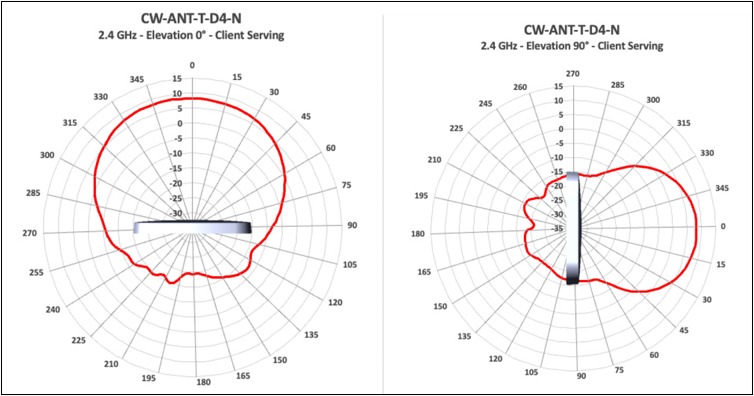
Cisco 8/8/8dBi, 3 band, dir. ant, 8xN-type

CW-ANT-T-O3-N

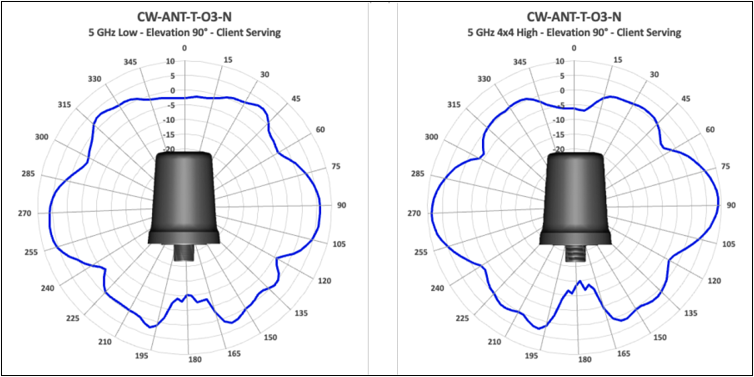
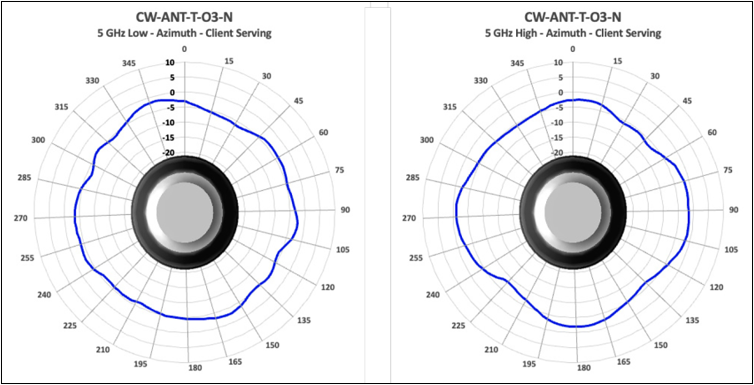
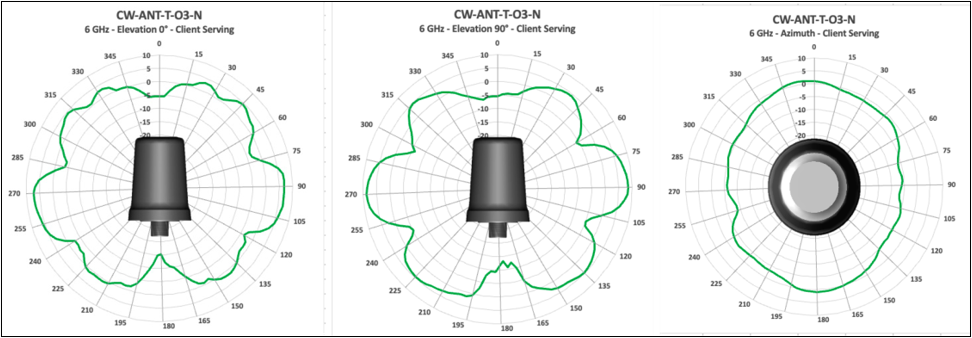
Cisco 5/6/5dBi, 3 band, Omni dir. ant, 8xN-type

CW-CAB-004-N4-N4

Dual 4x N-N type ant. cable, M/M, 4 foot

AIR-ANT2513P4M-NS

2.4GHz/5GHz 13dBi Patch Antenna 4port, Nconn

AIR-ANT2588P4M-N

2.4GHz/5GHz 13dBi Patch Antenna 4port, Nconn

AIR-ANT2588P4M-NS

Dual Band Dual-polarized directional antenna

Table 3.           Mounting kits and accessories


CW9177II

CW9177D

CW9177E

CW-MNT-STRAND1A

Cable strand Horizontal mount

X

CW-MNT-HORZ2

Horizontal mount

X

AIR-MNT-ART1

Articulating mount

X

X

CW-MNT-ART4

Articulating mount

X

X

MA-MNT-MR-16

Vertical mount

X

CW-MNT-VERT3

Vertical mount

X

Licensing

Cisco Networking Subscription

Simplify your stack with the Cisco Networking Subscription

The Cisco Networking Subscription offers flexible licensing for on-premises, cloud, or hybrid management using the same licenses, service levels, and hardware. Align renewal dates to your cost-center needs, add licenses, and upgrade entitlements mid-term without changing renewal dates. Unified licenses deliver features from the best of Meraki and Catalyst, aiming to deliver equivalent functionality across all deployment models. Invest now to support your current and future business needs.

Table 4.           Licensing and benefits


Unified hardware

Unified hardware eliminates the need for regulatory domains and enables either on-premises or cloud management with one license type.

Intelligent identification

Access point identifies your network management type during onboarding, saving you time and effort.

Flexible management

Convert your deployment and management type as your network scales or your strategy changes without purchasing new hardware or licensing.

Cisco Networking Subscription

Manage your network on-premises, through cloud-based monitoring, or entirely within the cloud without the need for different license types.

Get more info on the Cisco Networking Subscription

Product sustainability

Information about Cisco’s Environmental, Social, and Governance (ESG) initiatives and performance is provided in Cisco’s CSR and sustainability reporting.

Table 5.           Cisco environmental sustainability information

Sustainability Topic

Reference

General

Information on product-material-content laws and regulations

Materials

Information on electronic waste laws and regulations, including our products, batteries, and packaging

WEEE Compliance


Information on product takeback and reuse program

Cisco Takeback and Reuse Program


Sustainability inquiries

Contact: csr_inquiries@cisco.com


Material

Product packaging weight and materials

Contact: environment@cisco.com

Product specifications

Table 6.           Product specifications

Item

Specification

Part numbers/ models

CW9177I

CW9177D

CW9177E

Software

Cisco IOS® XE Software Release 26.1.x or later or Meraki MR32.2.x or later

Supported wireless LAN controllers

Catalyst 9800 Series Wireless Controllers (physical or virtual)

Cisco Catalyst 9000 switches with Embedded Wireless Controller in SDA mode

802.11be

4x4 uplink/downlink MU-MIMO with four spatial streams each (2.4 GHz, 5 GHz, 6 GHz or 2.4 GHz, 5 GHz, 5 GHz)

4096 QAM

Multilink operation

Preamble puncturing

Uplink/downlink OFDMA

TWT

BSS coloring

Maximal Ratio Combining (MRC)

20-, 40-, 80-, 160- and 320-MHz channels (6 GHz)

20-, 40-, 80-, and 160-MHz channels (5 GHz)

20-MHz channels (2.4 GHz)

PHY data rates: In tri-radio mode, up to 18 Gbps (4x4 320 MHz on 6 GHz, 4x4 160 MHz on 5 GHz, and 4x4 20 MHz on 2.4 GHz) or PHY data rates up to 12.2 Gbps (4x4 160 MHz on 5 GHz, 4x4 160 MHz on 5 GHz and 4x4 20 MHz on 2.4 GHz)

Packet aggregation: Aggregate MAC Protocol Data Unit (A-MPDU) (transmit and receive), Aggregate MAC Service Data Unit (A-MSDU) (transmit and receive)

802.11 Dynamic Frequency Selection (DFS)

Cyclic Shift Diversity (CSD) support

Wi-Fi Protected Access 3 (WPA3) support

802.11ax

4x4 + 4x4 uplink/downlink MU-MIMO with four spatial streams each (2.4Ghz, 5 Ghz, 6GHz)

Uplink/downlink OFDMA 1024 QAM

TWT

BSS coloring MRC

802.11ax beamforming

20, 40, 80, and 160 MHz channels (5 and 6 GHz)

20 MHz channels (2.4 GHz)

PHY data rates up to 10.1 Gbps (4x4 160 MHz on 6 GHz, 4x4 160 MHz on 5 GHz, and 4x4 20 MHz on 2.4 GHz) or PHY data rates up to 10.1 Gbps (4x4 160 MHz on 5 GHz, 4x4 160 MHz on 5 GHz and 4x4 20 MHz on 2.4 GHz)

Packet aggregation: A-MPDU (transmit and receive), A-MSDU (transmit and receive)

802.11 DFS

CSD support WPA2/WPA3 support

802.11ac

4x4 + 4x4 downlink MU-MIMO with 4x4 spatial streams

MRC

802.11ac beamforming

20, 40, 80, and 160 MHz channels

PHY data rates up to 3.4 Gbps (dual 4x4 160 MHz on 5 GHz)

Packet aggregation: A-MPDU (transmit and receive), A-MSDU (transmit and receive)

802.11 DFS

CSD support WPA2/WPA3 support

802.11n version 2.0 (and related) capabilities

4x4 MIMO with four spatial streams MRC

802.11n and 802.11a/g beamforming 20- and 40-MHz channels

PHY data rates up to 1.5 Gbps (40 MHz with 5 GHz and 20 MHz with 2.4 GHz)

Packet aggregation: A-MPDU (transmit and receive), A-MSDU (transmit and receive)

802.11 DFS

CSD support

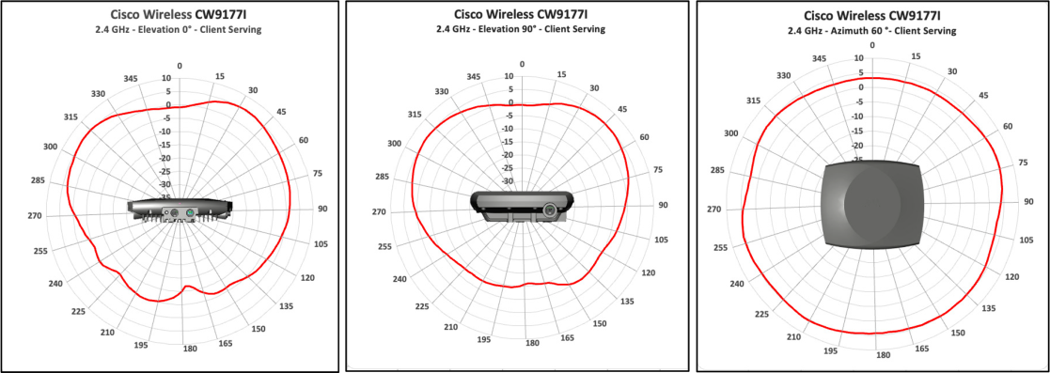
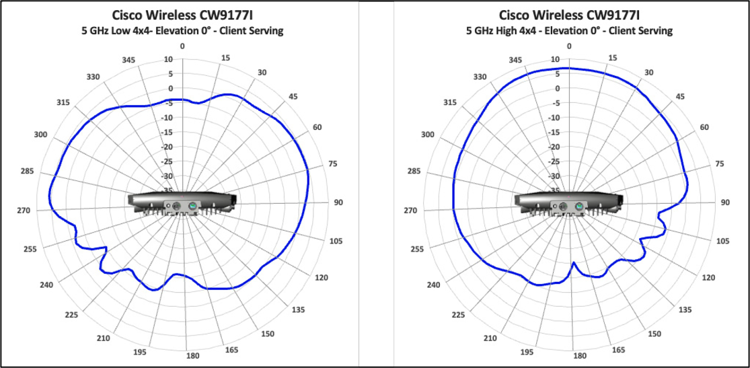
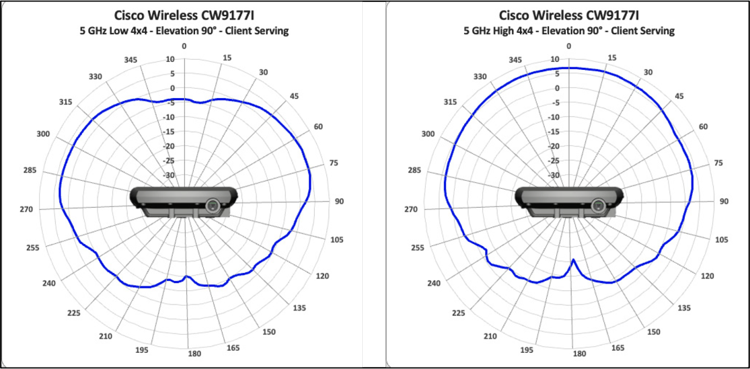
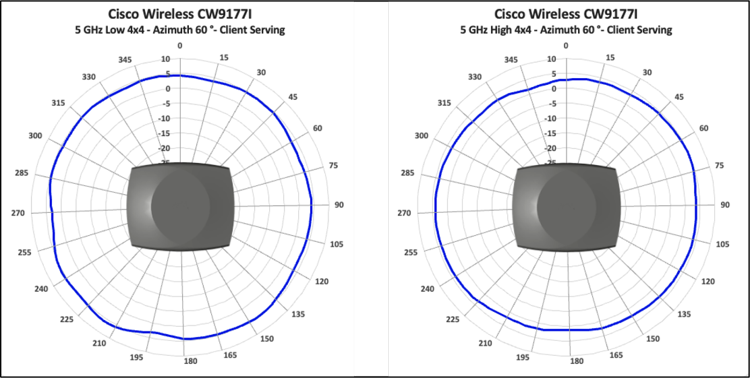
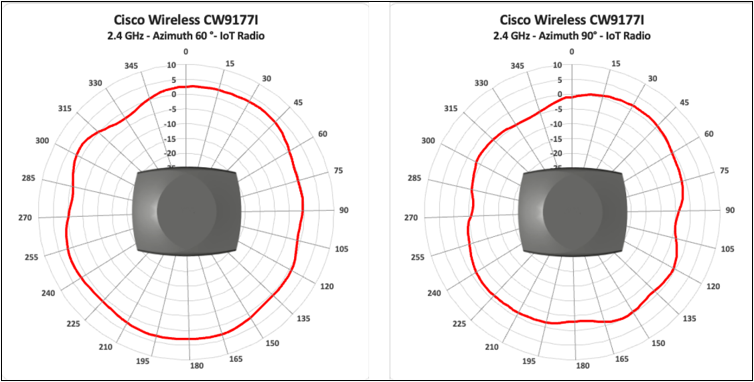
Integrated antenna

CW9177I


2.4

5

6

IoT

GNSS

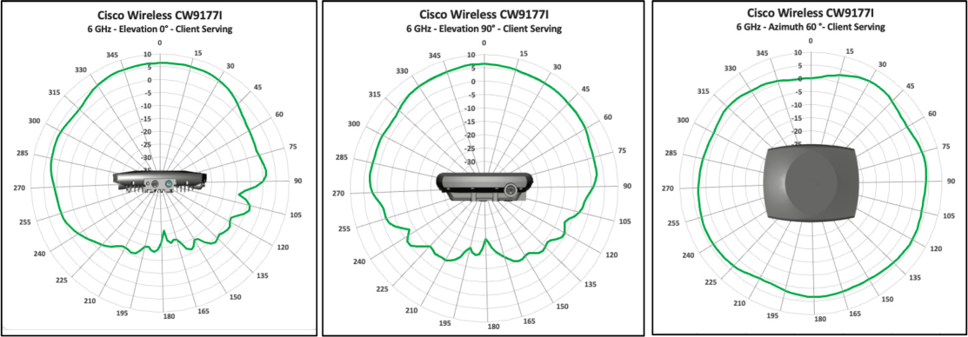
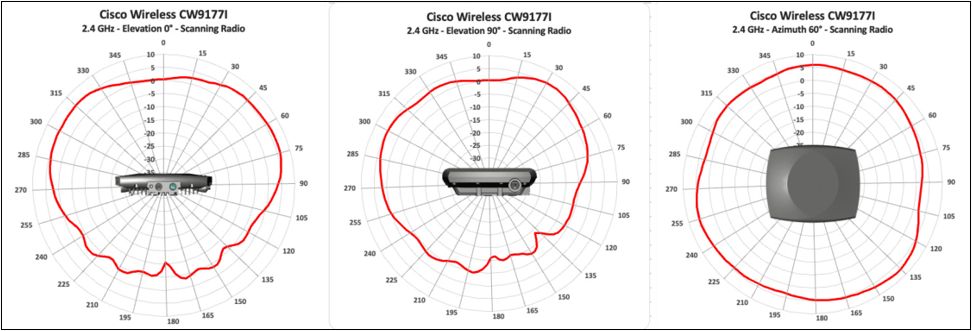
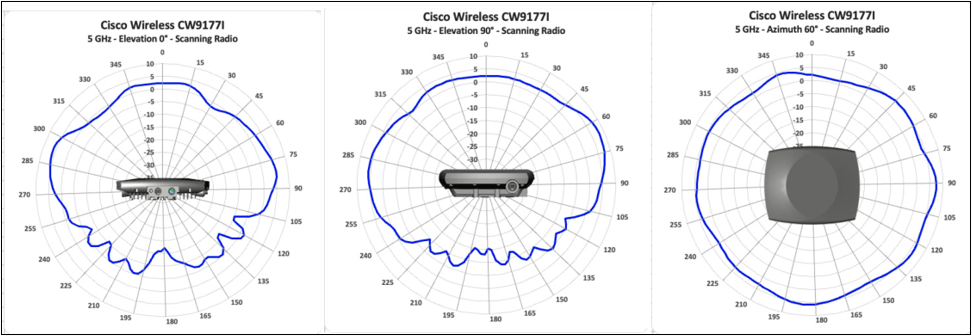
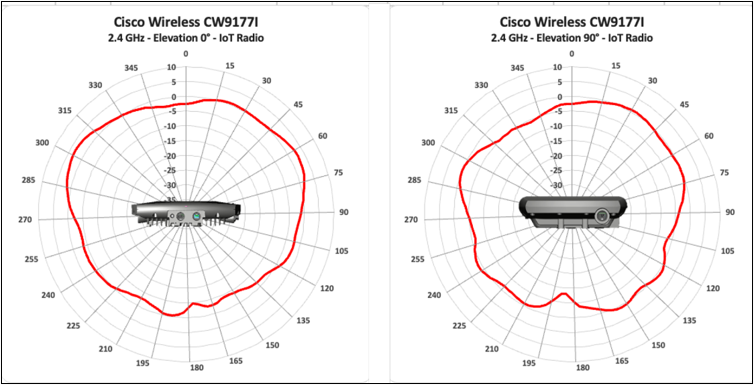
Peak Gain

4 dBi

6 dBi

6 dBi

3 dBi

2 dBi

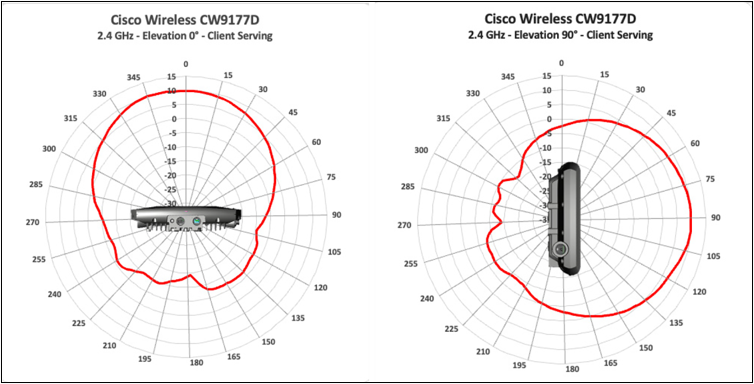
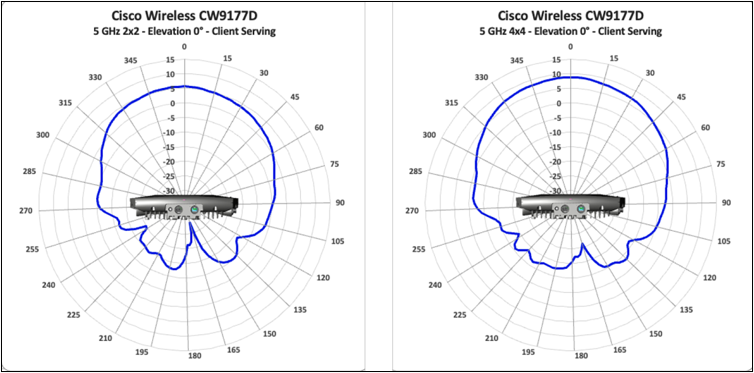
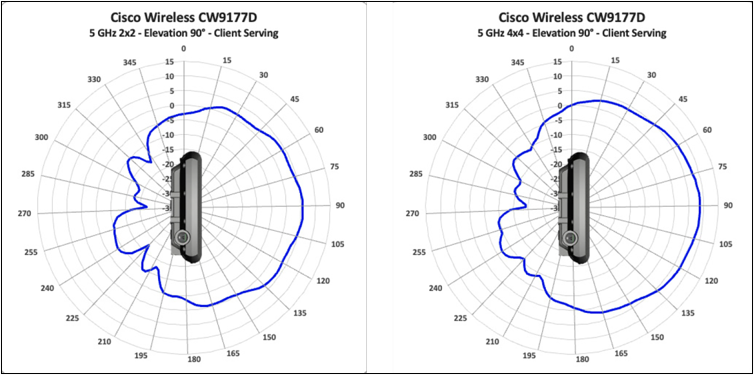
CW9177D


2.4

5

6

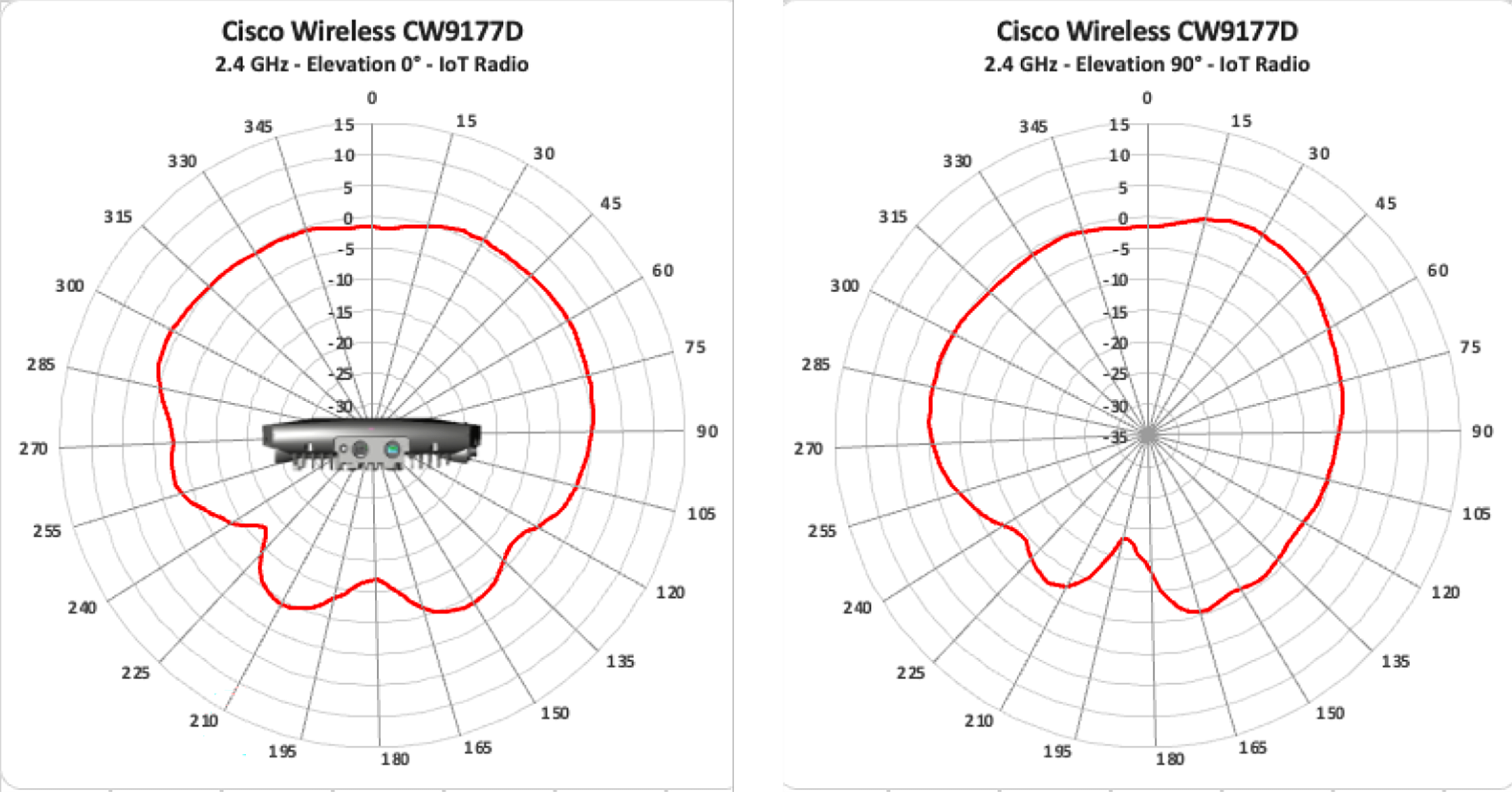
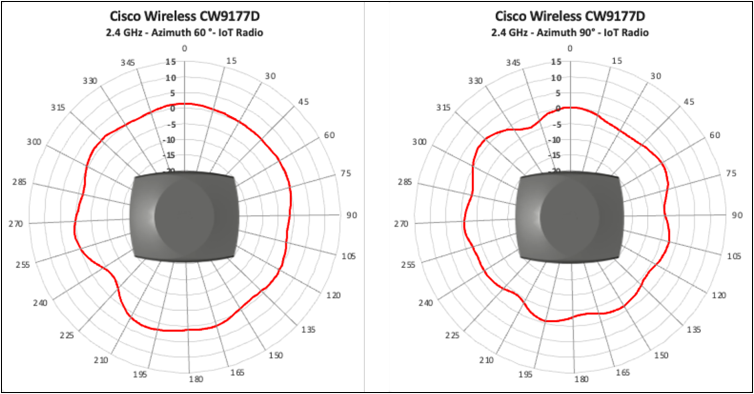
IoT

GNSS

Peak Gain

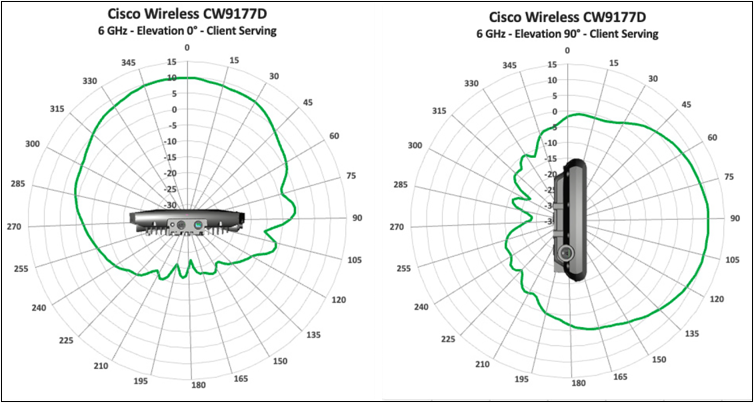
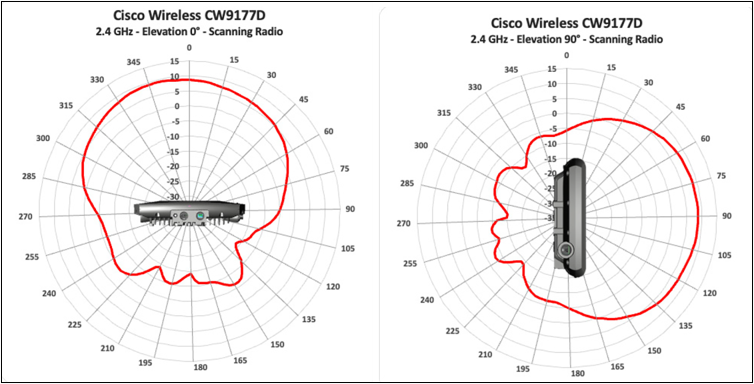
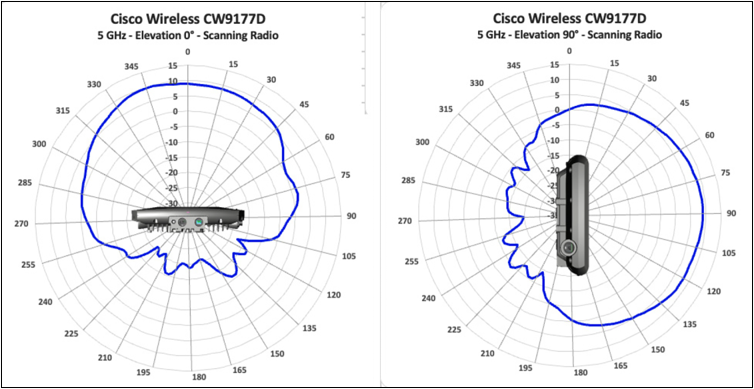
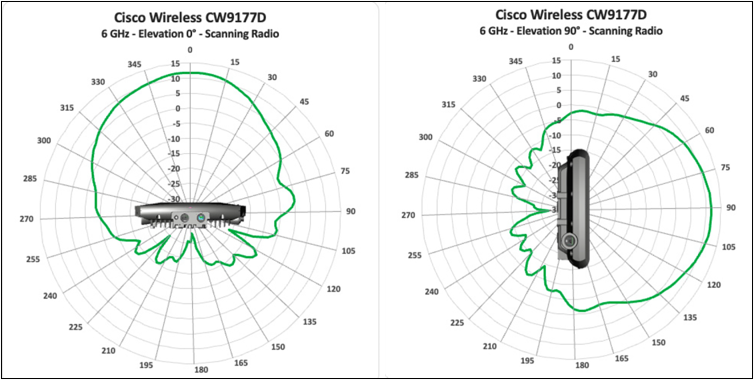
8 dBi

6 dBi

8 dBi

3 dBi

2 dBi

CW9177E


2.4

5

6

IoT

GNSS

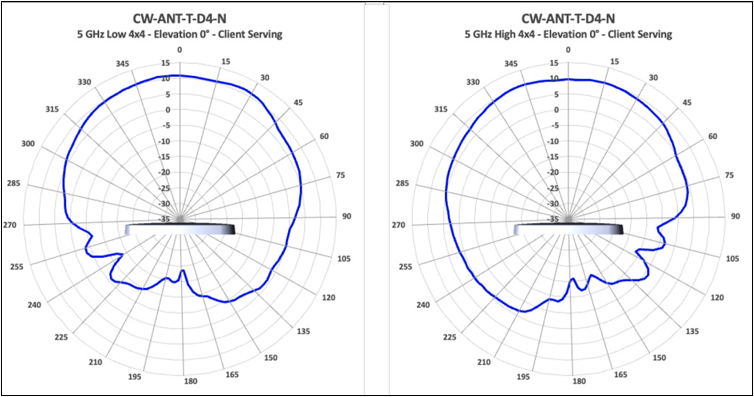
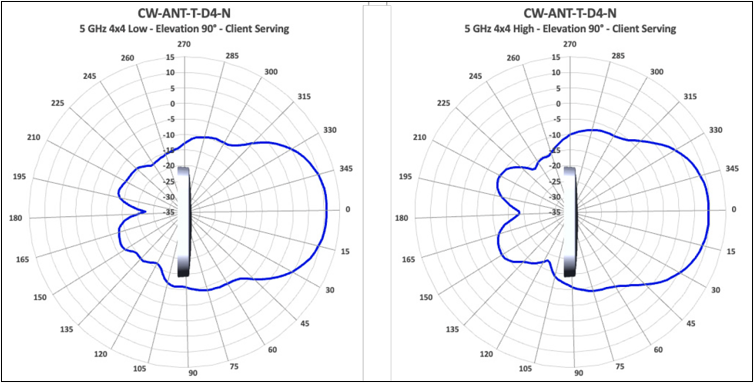
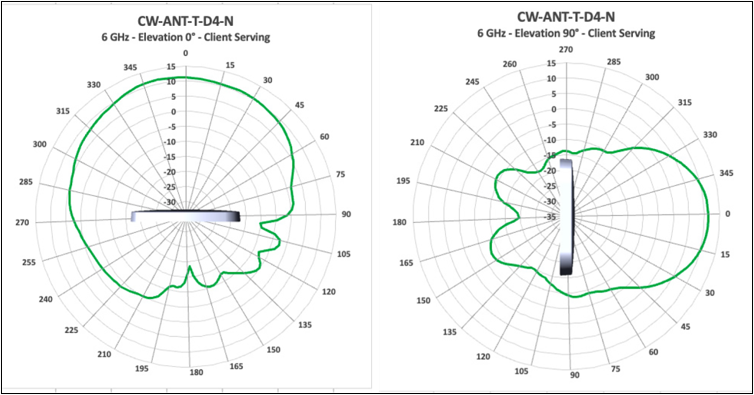
CW-ANT-T-D4-N (Directional Antenna)

Peak Gain

8.6 dBi

8.2 dBi

8.4 dBi

-

2 dBi

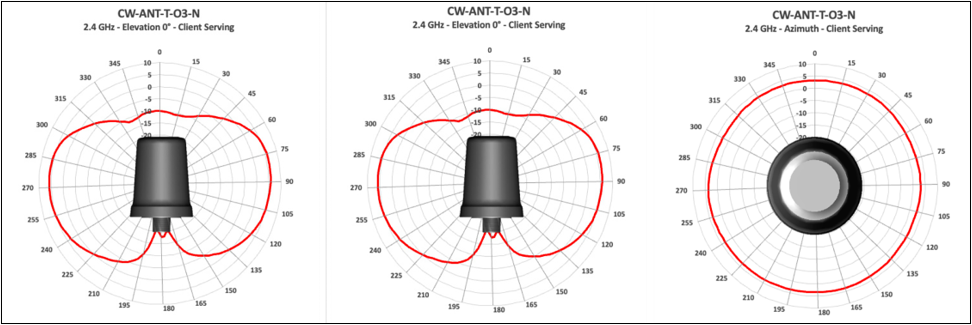
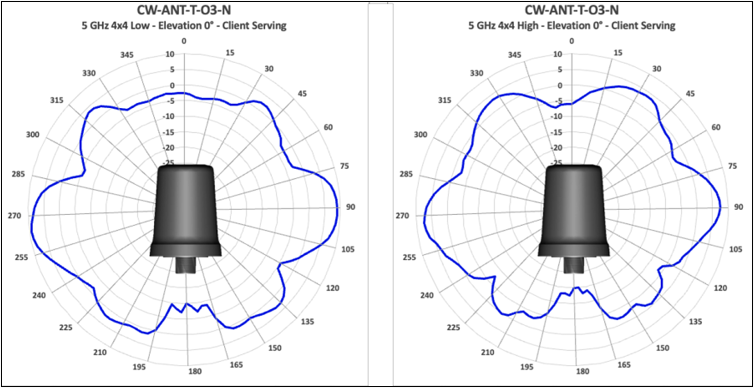
CW-ANT-T-O3-N (Omni-directional Antenna)

Peak Gain

5 dBi

6 dBi

5 dBi

-

2 dBi

Interfaces

1x 100M/1000M/2.5G/5G/10G Multigigabit Ethernet (RJ-45)

1x Gigabit Ethernet SFP/SFP+

Management console port (RJ-45)

LED Indicators

Front and back status LED indicates boot loader status, association status, operating status, boot loader warnings, and boot loader errors

Dimensions

(W x L x H)

CW9177I, CW9177D, CW9177E (without mounting brackets):

352.2 mm x 270 mm x 76.2 mm (13.8 x 10.6 x 3 in.)

Weight

CW9177I and CW9177D Access point Weight: 4.11kg

CW9177E Access point weight: 4.12kg

Input power requirements

802.3bt Cisco Universal PoE (Cisco UPOE®), 802.3at Power over Ethernet Plus (PoE+), 802.3af PoE (only for configuring staging, all radios off)

(Or) DC Power Adapter - #PID

Power Source

2.4 GHz radio

5 GHz radio

6 GHz radio (XOR) 5 GHz radio

Link speed

Max PoE power consumption

802.3bt (Class 6) (UPOE)

4x4

4x4 (FB)

4x4

2x 10G

45.1W

802.3bt (Class 6 UPOE)

4x4

4x4 (LB)

4x4 (HB)

(5 GHz)

2x10 G

45.1 W

802.3at (PoE+)

(Tri-band)

2x2

2x2

2x2

1x2.5 G

30 W

802.3at (POE+)

(Dual band)

2x2

4x4

NA

1x2.5 G

30 W

802.3af (PoE)

1x1

1x1

1x1

1x 1G

15.4

Note: Actual power consumption may vary depending on access point usage. It is recommended that you ensure that Link Layer Discovery Protocol (LLDP)/Cisco Discovery Protocol is enabled to allow proper power negotiation.

Note: FB is Full Band, LB is Lower UNII Bands (UNII 1 and 2) and HB is Higher UNII Bands (UNII 2E and 3).

Environmental

Nonoperating (storage) temperature: -40° to 158°F (-40° to 70°C)

Nonoperating (storage) altitude test: 77°F (25˚C) at 17,000 ft (5182 m)

Operating temperature: -40° to 149°F (-40° to 65°C) not including solar load.

Operating temperature: -4° to 131°F (-40° to 55°C) including solar load.

Operating humidity: 10% to 90% (noncondensing)

Operating altitude test: 104°F (40˚C) at 9843 ft (3000 m)

Foreign Body/Water Ingress: IEC60529 IP66/IP67

Wind resistance: up to 100 mph (161 km/h) sustained winds and 165 mph (266 km/h) wind gusts

Icing protection: MIL-STD-810F (0.5 in. (13mm)) Corrosion: NEMA 250 (600 hrs. salt)

Solar radiation: EN 60068-2-5 (753 W/m2)

Available transmit power settings

2.4 GHz

17 dBm (50 mW)

-10 dBm (0.1mW)

5 GHz

17 dBm (50 mW)

-10 dBm (0.1 mW)

6 GHz

17 dBm (50 mW)

-10 dBm (0.1 mW)

Note: In countries where use of the 6-GHz band is not allowed or there is no current software support, the 6-GHz radio will be disabled. The radio may be enabled with future software, once the product is certified to operate in 6 GHz for that country.

Note: In countries where use of the 6-GHz band is not allowed or there is no current software support, the 6-GHz radio will be disabled. The radio may be enabled with future software, once the product is certified to operate in 6 GHz for that country.

Compliance standards

Safety:

IEC 60950-1/IEC 62368-1 Ed.3 (with Ed.2 Deviation annex)

EN 60950-1/EN 62368-1 Ed.3 (with Ed.2 Deviation annex)

UL 60950-1/UL62368-1 3rd (with Ed.2 Deviation annex)

CAN/CSA-C22.2 No. 60950-1/CAN/ CSA-C22.2 No. 62368-1 3rd (with Ed.2 Deviation annex)

AS/NZS60950.1/AS/NZS62368.1 Ed.3 (with Ed.2 Deviation annex)

UL 2043

Class III equipment

Emissions:

CISPR 32 (rev. 2015) +AMD1:2019

EN 55032:2015/A11:2020

EN IEC 61000-3-2:2019/A1:2021

EN 61000-3-3:2013+A1:2019

AS/NZS CISPR32: 2015+AMD1:2020

47 CFR FCC Part 15B

ICES-003 (Issue 7, Class B)

VCCI-CISPR 32:2016

CNS 13438:2006 (95)

KS C 9832:2019

QCVN 118:2018/BTTTT

Immunity:

EN 55035:2017+A11:2020

KS C 9835:2019

Emissions and immunity:

EN 301 489-1 V2.2.3 (2019-11)

EN 301 489-17 V3.2.4 (2020-09)

QCVN (18:2014)

QCVN 112:2017/BTTTT

KS X 3124:2020

KS X 3126:2020

EN 61000-6-1:2019

EN 60601-1-2:2015+A1:2021

Radio:

EN 300 328 (v2.2.2)

EN 301 893 (v2.1.1)

EN 303 687 (v1.1.1)

AS/NZS 4268 (rev. 2017)

47 CFR FCC Part 15C, 15.247, 15.407

RSP-100

RSS-GEN

RSS-247

LP0002 (109)

Japan Std. 66, and Std. 71

RF safety:

EN 50385:2017

AS/NZS 2772 (rev. 2016)

47 CFR Part 2.1091

RSS-102

IEEE standards:

IEEE 802.3

IEEE 802.3ab

IEEE 802.3af/at

IEEE 802.11a/b/g/n/ac/ax/be

IEEE 802.11h, 802.11d

Security:

802.11i (WPA2, WPA3)

802.1x/802.1x - SHA256

Enhanced Open/OWE

Advanced Encryption Standard (AES) - GCMP128, GCMP256 and CCMP256

Extensible Authentication Protocol (EAP) types:

EAP-Transport Layer Security (TLS)

EAP-Tunneled TLS (TTLS) or Microsoft Challenge Handshake Authentication Protocol (MSCHAP) v2

Protected EAP (PEAP) v0 or EAP-MSCHAP v2

EAP-Flexible Authentication via Secure Tunneling (EAP-FAST)

PEAP v1 or EAP-Generic Token Card (GTC)

EAP-Subscriber Identity Module (SIM)

Certifications

Wi-Fi Alliance: Wi-Fi 7, Wi-Fi 6E, Wi-Fi 6, WPA3-R3, WPA3-Suite B, Enhanced Open Security

Bluetooth SIG: Bluetooth Low Energy

Ordering information

Table 7.           Ordering information

Part #

Description

CW9177I

Omnidirectional Outdoor Wi-Fi 7 tri-band access point

CW9177D

Internal Directional Outdoor Wi-Fi 7 tri-band access point

CW9177E

External Antenna Connector Outdoor Wi-Fi 7 tri-band access point

For a detailed overview of the ordering process, please visit the Cisco Wireless Ordering Guide.

We recommend working with a Cisco partner to purchase.


Learn more