Cisco Carrier Routing System
| Status | Available Order |
|---|---|
| Series Release Date | 24-MAY-2004 |
| Diagram | Visio Stencil (7 MB .zip file) |

- US/Canada 800-553-2447
- Worldwide Support Phone Numbers
- All Tools
 Feedback
 Feedback
-
Top Search Results
Key Information
Customers Also Viewed
Saved Content
-
You can now save documents for easier access and future use. Saved documents for this product will be listed here, or visit the My Saved Content page to view and manage all saved content from across Cisco.com.
Log in to see your Saved Content.
Document Categories
-
Data Sheets and Product Information
- Cisco CRS Distributed Route Processor
- Cisco CRS Forwarding Processor Cards Data Sheet
- Cisco CRS 16-Slot Single-Shelf System Data Sheet
- Cisco CRS 4-Port 40GE LAN/OTN Interface Module
- Cisco CRS-3 24-Slot Fabric-Card Chassis
- Cisco CRS Series 4-Port 10GE LAN/WAN-PHY Interface Module
- Cisco CRS-3 Label Switch Processor
- Cisco CRS 8-Slot Single-Shelf System Data Sheet
- Cisco Carrier Grade Services Engine Module Data Sheet
- Cisco CRS-3 14-Port 10GE LAN/WAN-PHY Interface Module
- Cisco CRS-3 20-Port 10GE LAN/WAN-PHY Interface Module
- Cisco CRS Label Switch Processors Data Sheet
- Cisco CRS 2 Port 100 Gigabit Ethernet and 5 Port 40 Gigabit Ethernet Flexible Interface Module Data Sheet
- Cisco CRS Flexible SPA and 6-port 10GE PLIM Datasheet
- Cisco CRS 4-Port 10GE Tunable WDMPHY Interface Module.
Data Sheets
- End-of-Sale and End-of-Life Announcement for the Cisco CRS Product Family
- End-of-Sale and End-of-Life Announcement for the Cisco CRS 3-Phase AC Power Distribution Unit End-of-Sales
- End-of-Sale and End-of-Life Announcement for the Cisco CRS Modular power for Legacy Chassis End of Sale Announcement
- End-of-Sale and End-of-Life Announcement for the Cisco CRS Multi-chassis Riser Cable End of Sale Announcement
- End-of-Sale and End-of-Life Announcement for the Cisco CRS 400G FCC Fabric Card CRS-FCC-SFC-400-B End of Sales Annoucement
- End-of-Sale and End-of-Life Announcement for the Cisco CRS Legacy Chassis Rear Cable Management End Of Sales
- End-of-Sale and End-of-Life Announcement for the Cisco CRS-3 line cards End of Sales
- End-of-Sale and End-of-Life Announcement for the Cisco CRS-3 Fabric Cards
- End-of-Sale and End-of-Life Announcement for the Cisco CRS 16G Flash Disk
- End-of-Sale and End-of-Life Announcement for the Cisco CRS Fan Controller for Legacy 16 Slots Chassis
- End-of-Sale and End-of-Life Announcement for the Cisco CRS-3 Fabric Cards for CRS 4 Slots System
- End-of-Sale and End-of-Life Announcement for the CRS-3 40GE Line Cards End-of-Sales
- End-of-Sale and End-of-Life Announcement for the Cisco CRS-3 8-Slot Fabric Cards
- End-of-Sale and End-of-Life Announcement for the Cisco CRS-1 16-Slot Chassis Components
- End-of-Sale and End-of-Life Announcement for the Cisco CRS-1 16-Slot Line Card Chassis Components and Accessories
End-of-Life and End-of-Sale Notices
-
Security Notices
-
Applicable to Multiple Models
- Field Notice: FN - 72290 - Cisco IOS XR: QuoVadis Root CA 2 Decommission Might Affect Smart Licensing and Smart Call Home Functionality - Workaround Provided
- Field Notice: FN - 63493 - CRS - Products Affected Might Fail to Boot Up After a Software Upgrade or Power Cycle - Replace on Failure
- Field Notice: FN - 63979 - ASR9000, CRS, and XR12000 That Run Cisco IOS-XR 5.3.0 and Earlier - Oct 17, 2015 SW Certificate Expiration - Software Upgrade Recommended
- Field Notice: FN - 64127 - CRS-X Line Cards with New DRAM Fail to Boot to XR-Run State - Software Upgrade Recommended
- Field Notice: FN - 63381 - CRS: CRS-MSC-B, CRS-FP40 boards now use RLDRAM2 due to component EOL - Software Upgrade Recommended
- Field Notice: FN - 70078 - CRS-X Linecards Version V04 or Later Are Not Supported by Cisco IOS XR Software Releases Earlier Than 5.3.4 - Workaround Provided
-
Cisco CRS-1 16-Slot Line Card Chassis
- Field Notice: FN - 62526 CRS16 and CRS8 - RP, RP-B and DRP-PLIM Flash Disks Can Fail in a Power Cycle Event - Fix: RMA the Flash Disk
- Field Notice: FN - 62830 - CRS16 - Grille Has Loose Louvres Which May Rattle When CRS Fans Are Operating - Procedure to Fix the Louvres is Available
- Field Notice: FN - 62765 - CRS: During Software Upgrade From Rel 3.2.x or 3.3.x to 3.4.x, The MSC Bootflash Can Become Full And The Upgrade Can Fail
- Field Notice: FN - 62256 - CRS:SPAs - Upgrading a SPA Interface Processor (SIP) or SPA Field Programmable Device (FPD) Image can Result in a SIP or SPA Becoming Inoperable - Workaround is Available
- Field Notice: FN - 62513 - CRS - ROMMON 1.40 and Above Needs New IOS-XR Software for Diagnostic Support - Apply IOS-XR SMU for Fix
-
Cisco CRS-1 8-Slot Single-Shelf System
Field Notices
- Cisco IOS XR Software SSH Denial of Service Vulnerability
- Cisco IOS XR MPLS Vulnerabilities
- IPv6 Crafted Packet Vulnerability
- Crafted ICMP Messages Can Cause Denial of Service
- Cisco IOS Misformed BGP Packet Causes Reload
- Cisco IOS Malformed BGP Packet Causes Reload
Security Advisories, Responses and Notices
-
-
Release and Compatibility
-
Cisco IOS XR Release 6.7.x
-
Cisco IOS XR Release 6.2.x
Release Notes
-
-
Reference
-
Cisco IOS XR Software
- MPLS Command Reference for the Cisco CRS Router
- IP Addresses and Services Command Reference for Cisco CRS Routers
- Virtual Private Network Command Reference for Cisco CRS Series Routers
- Multicast Command Reference for Cisco CRS Series Routers
- Netflow Command Reference for Cisco CRS Series Routers
- System Security Command Reference for Cisco CRS Routers
- System Monitoring Command Reference for Cisco CRS Routers
- Advanced System Command Reference for Cisco CRS Router
Command References
- Open Source Used In Cisco IOS XR Carrier Grade NAT Cisco IOS XR Release 4.1 (PDF - 577 KB)
Licensing Information
-
Cisco CRS and Cisco XR 12000 Series Router MIB Specifications Guide
Technical References
-
-
Install and Upgrade
- Cisco CRS Carrier Routing System 8-Slot Line Card Chassis Enhanced Router System Description
- Cisco CRS Carrier Routing System 8-Slot Line Card Chassis System Description
- Cisco CRS Carrier Routing System 16-Slot Line Card Chassis System Description
- Cisco CRS Carrier Routing System Ethernet Physical Layer Interface Module Installation Note
- Cisco CRS Routers 16-Slot Line Card Chassis Enhanced Router Installation Guide
- Cisco CRS Routers 16-Slot Line Card Chassis Installation Guide
- Cisco CRS Carrier Routing System 4-Slot Line Card Chassis System Description
- Cisco CRS Carrier Routing System 8-Slot Line Card Chassis Enhanced Router Site Planning Guide
- Cisco CRS Carrier Routing System Fabric Card Chassis Installation Guide
- Cisco CRS Carrier Routing System 16-Slot Line Card Chassis Enhanced Router Unpacking, Moving, and Securing Guide
- Cisco CRS Carrier Routing System 16-Slot Line Card Chassis Enhanced Router Site Planning Guide
- Cisco CRS Carrier Routing System 16-Slot Line Card Chassis Unpacking, Moving, and Securing Guide
- Cisco CRS Carrier Routing System Multishelf System Interconnection and Cabling Guide
- Cisco CRS 3-Phase AC Power Distribution Unit Installation Guide
- Cisco CRS Carrier Routing System 8-Slot Line Card Chassis Unpacking, Moving, and Securing Guide
Install and Upgrade Guides
- Upgrade Field Programmable Device (FPD) on 32-bit Cisco IOS XR (cXR)
Install and Upgrade TechNotes
-
Configuration
-
Cisco CRS-1 16-Slot Line Card Chassis
Configuration Examples and TechNotes
-
Telemetry Videos
Configuration Guides
-
Cisco IOS XR Software Release 4.3.x
-
Cisco IOS XR Software Release 4.1
Programming Guides
-
-
Maintain and Operate
- Cisco Carrier Routing System
End-User Guides
- Cisco CRS Carrier Routing System General Maintenance Guide
Maintain and Operate Guides
-
Troubleshooting
-
Applicable to Multiple Models
- Understand IOS XR Software Maintenance Updates (SMUs)
- MTU Behavior on Cisco IOS XR and Cisco IOS Routers
Troubleshooting TechNotes
-
-
Log in to see available downloads.
-
-
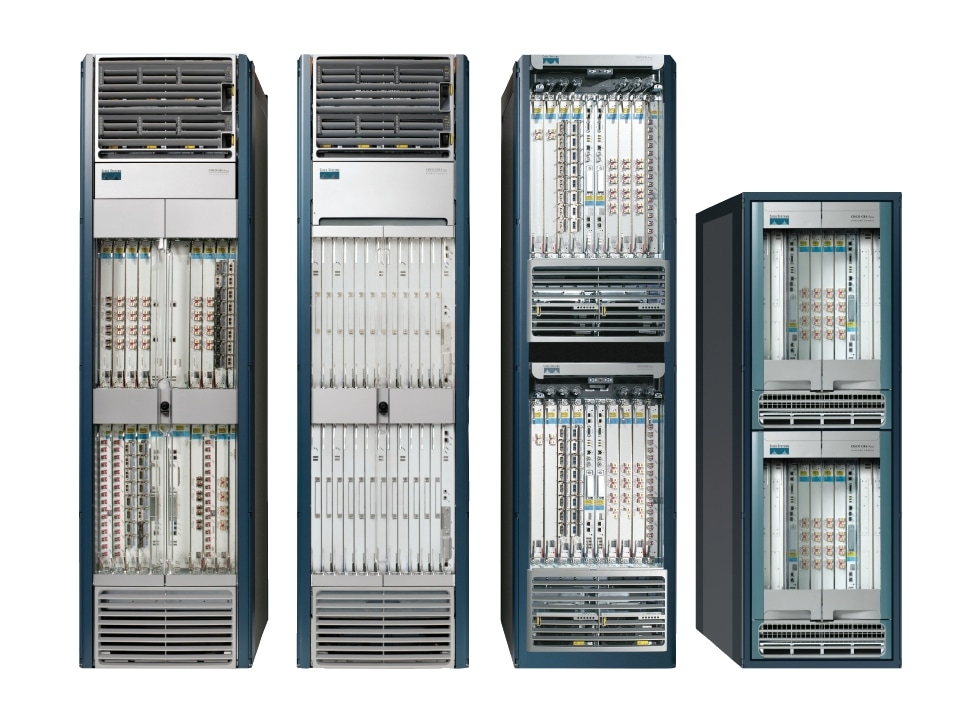
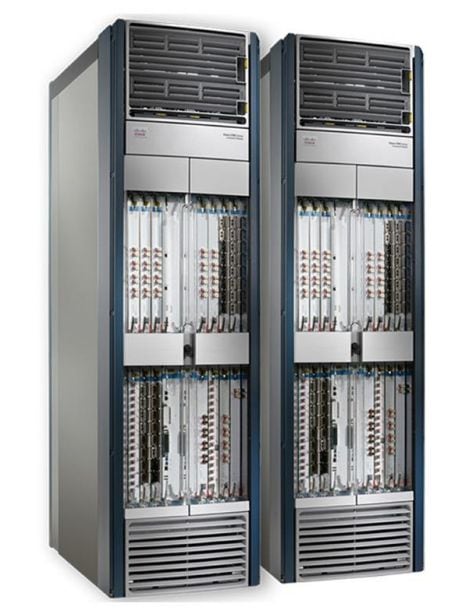
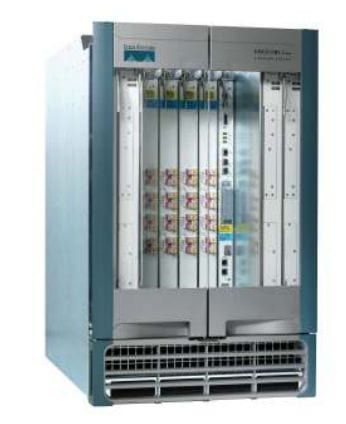
Below are the models within the Cisco Carrier Routing System.
Unless specified, documentation for the Cisco Carrier Routing System is applicable to all models.
- Cisco CRS Line Card Chassis Enhanced
- Cisco CRS-1 4-Slot Single-Shelf System
- Cisco CRS-1 8-Slot Line Card Chassis
- Cisco CRS-1 8-Slot Single-Shelf System
- Cisco CRS-1 16-Slot Line Card Chassis
- Cisco CRS-1 16-Slot Single-Shelf System
- Cisco CRS-1 Fabric Card Chassis
- Cisco CRS-1 Line Card Chassis (Dual)
- Cisco CRS-1 Line Card Chassis (Multi)
- Cisco CRS-1 Multishelf System
- Cisco CRS-3 4-Slot Single-Shelf System
- Cisco CRS-3 8-Slot Single-Shelf System
- Cisco CRS-3 16-Slot Single-Shelf System
- Cisco CRS-3 Multishelf System
- Cisco CRS-X 8-Slot Single-Shelf System
- Cisco CRS-X 16-Slot Single-Shelf System
- Cisco CRS-X Multishelf System
