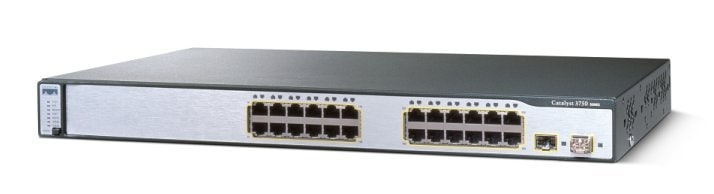
Catalyst 3750 Switch Software Configuration Guide, 12.1(14)EA1
Index

Table Of Contents

Numerics - A - B - C - D - E - F - G - H - I - J - K - L - M - N - O - P - Q - R - S - T - U - V - W - X -

Index

Numerics

802.1D

See STP

802.1Q

and trunk ports     11-3

configuration limitations     12-19

encapsulation     12-16

native VLAN for untagged traffic     12-23

trunk mode     3-11

802.1S

See MSTP

802.1W

See RSTP

802.1X

See port-based authentication

802.3AD

See EtherChannel

802.3Z flow control     11-15

A

abbreviating commands     2-4

ABRs     29-30

AC (command switch)     6-11, 6-21

access-class command     26-18

access control entries

See ACEs

access-denied response, VMPS     12-28

access groups

applying ACLs to interfaces     26-19

IP     26-20

Layer 2     26-19

Layer 3     26-20

accessing

clusters, switch     6-14

CMS     3-30

command switches     6-12

HTTP port     3-31

member switches     6-14

stack members     5-16

switch clusters     6-14

access lists

See ACLs

access ports

defined     11-2

in switch clusters     6-10

accounting

with RADIUS     9-28

with TACACS+     9-11, 9-17

ACEs

and QoS     27-7

defined     26-2

Ethernet     26-2

IP     26-2

ACLs

ACEs     26-2

any keyword     26-12

ACLs (continued)

applying

on bridged packets     26-38

on multicast packets     26-40

on routed packets     26-39

on switched packets     26-37

time ranges to     26-16

to an interface     26-19

to QoS     27-7

classifying traffic for QoS     27-37

comments in     26-18

compiling     26-21

configuring with VLAN maps     26-36

defined     26-1, 26-7

examples of     26-21, 27-37

extended IP

configuring for QoS classification     27-38

creating     26-10

matching criteria     26-7

hardware and software handling     26-20

host keyword     26-12

IP

applying to interface     26-19

applying to interfaces     26-19

creating     26-7

fragments and QoS guidelines     27-29

implicit deny     26-9, 26-13, 26-15

implicit masks     26-9

matching criteria     26-7

named     26-14

terminal lines, setting on     26-18

undefined     26-20

violations, logging     26-15

limiting actions     26-37

logging messages     26-10

log keyword     26-15

MAC extended     26-26, 27-39

matching     26-7, 26-20

monitoring     26-41

ACLs (continued)

named     26-14

number per QoS class map     27-29

numbers     26-8

port     26-2

precedence of     26-2

QoS     27-7, 27-37

router     26-2

standard IP

configuring for QoS classification     27-37

creating     26-9

matching criteria     26-7

supported features     26-20

support for     1-6

time ranges     26-16

unsupported features     26-6

using router ACLs with VLAN maps     26-36

VLAN maps

configuration guidelines     26-29

configuring     26-29

active router     30-1

address aliasing     18-2

addresses

displaying the MAC address table     7-27

dynamic

accelerated aging     15-9

changing the aging time     7-23

default aging     15-9

defined     7-22

learning     7-22

removing     7-24

MAC

discovering     7-28

multicast

group address range     31-3

STP address management     15-9

static

adding and removing     7-26

defined     7-22

address resolution     7-28, 29-9

Address Resolution Protocol

See ARP

See ARP table

adjacency tables, with CEF     29-66

administrative distances

defined     29-79

OSPF     29-35

routing protocol defaults     29-68

advertisements

CDP     20-1

IGRP     29-25

RIP     29-20

VTP     12-19, 13-3

aggregate addresses, BGP     29-61

aggregated ports

See EtherChannel

aggregate policers     27-45

aggregate policing     1-7

aggregator template     5-7, 8-1

aging, accelerating     15-9

aging time

accelerated

for MSTP     16-21

for STP     15-9, 15-23

MAC address table     7-23

maximum

for MSTP     16-22

for STP     15-23

alarms, RMON     23-3

allowed-VLAN list     12-21

alternate routes, IGRP     29-26

Apply button     3-29

area border routers

See ABRs

ARP     1-4, 7-28

configuring     29-10

defined     29-9

encapsulation     29-11

static cache configuration     29-10

ARP table

address resolution     7-28

managing     7-28

ASBRs     29-30

AS-path filters, BGP     29-55

attributes, RADIUS

vendor-proprietary     9-31

vendor-specific     9-29

audience     xxxiii

authentication

EIGRP     29-43

HSRP     30-8

local mode with AAA     9-37

NTP associations     7-5

RADIUS

key     9-21

login     9-23

See also port-based authentication

TACACS+

defined     9-11

key     9-13

login     9-14

authentication keys, and routing protocols     29-80

authoritative time source, described     7-2

authorization

with RADIUS     9-27

with TACACS+     9-11, 9-16

authorized ports with 802.1X     10-4

autoconfiguration     4-3

automatic discovery

adding member switches     6-19

considerations

beyond a non-candidate device     6-8

brand new switches     6-10

connectivity     6-5

different VLANs     6-7

management VLANs     6-8

non-CDP-capable devices     6-6

non-cluster-capable devices     6-6

routed ports     6-9

creating a cluster standby group     6-21

in switch clusters     6-5

See also CDP

automatic QoS

See QoS

automatic recovery, clusters     6-11

See also HSRP

autonegotiation

duplex mode     1-3

interface configuration guidelines     11-13

mismatches     34-12

autonomous system boundary routers

See ASBRs

autonomous systems, in BGP     29-49

Auto-RP, described     31-5

autosensing, port speed     1-3

auxiliary VLAN

See voice VLAN

availability, features     1-5

B

BackboneFast

described     17-8

enabling     17-17

support for     1-5

bandwidth graphs     3-9

banners

configuring

login     7-21

message-of-the-day login     7-20

default configuration     7-19

when displayed     7-19

BGP

aggregate addresses     29-61

aggregate routes, configuring     29-61

CIDR     29-61

clear commands     29-64

community filtering     29-57

configuring neighbors     29-59

default configuration     29-47

described     29-46

enabling     29-49

monitoring     29-64

multipath support     29-52

neighbors, types of     29-49

path selection     29-52

peers, configuring     29-59

prefix filtering     29-56

resetting sessions     29-51

route dampening     29-63

route maps     29-54

route reflectors     29-62

routing domain confederation     29-61

show commands     29-64

supernets     29-61

support for     1-8

Version 4     29-46

binding cluster group and HSRP group     30-9

blocking packets     19-5

booting

boot loader, function of     4-2

boot process     4-1

manually     4-13

specific image     4-14

boot loader

accessing     4-15

described     4-2

environment variables     4-15

prompt     4-15

trap-door mechanism     4-2

bootstrap router (BSR), described     31-5

Border Gateway Protocol

See BGP

BPDU

error-disabled state     17-3

filtering     17-3

RSTP format     16-10

BPDU filtering

described     17-3

enabling     17-15

support for     1-5

BPDU guard

described     17-3

enabling     17-14

support for     1-5

bridged packets, ACLs on     26-38

bridge groups

See fallback bridging

bridge protocol data unit

See BPDU

broadcast flooding     29-17

broadcast packets

directed     29-14

flooded     29-14

broadcast storm-control command     19-3

broadcast storms     19-1, 29-14

browser configuration     3-1

buttons, CMS     3-29

C

cables, monitoring for unidirectional links     21-1

Cancel button     3-29

candidate switch

adding     6-19

automatic discovery     6-5

defined     6-4

HC     6-21

passwords     6-19

requirements     6-4

standby group     6-21

See also command switch, cluster standby group, and member switch

caution, described     xxxiv

CC (command switch)     6-21

CDP

and trusted boundary     27-34

automatic discovery in switch clusters     6-5

configuring     20-2

default configuration     20-2

described     20-1

disabling for routing device     20-3, 20-4

enabling and disabling

on an interface     20-4

on a switch     20-3

monitoring     20-5

overview     20-1

support for     1-4

switch stack considerations     20-2

transmission timer and holdtime, setting     20-2

updates     20-2

CEF     29-66

CGMP

as IGMP snooping learning method     18-7

clearing cached group entries     31-51

enabling server support     31-33

joining multicast group     18-2

overview     31-7

server support only     31-7

switch support of     1-3

change notification, CMS     3-31

CIDR     29-61

Cisco 7960 IP Phone     14-1

Cisco Discovery Protocol

See CDP

Cisco Express Forwarding

See CEF

Cisco Group Management Protocol

See CGMP

Cisco IOS File System

See IFS

Cisco StackWise technology     1-2

See also stacks, switch

CiscoWorks 2000     1-4, 25-5

classless interdomain routing

See CIDR

classless routing     29-7

class maps for QoS

configuring     27-40

described     27-7

displaying     27-64

class of service

See CoS

clearing interfaces     11-22

CLI

abbreviating commands     2-4

command modes     2-1

described     1-4

editing features

enabling and disabling     2-7

keystroke editing     2-7

wrapped lines     2-8

error messages     2-5

filtering command output     2-9

getting help     2-3

history

changing the buffer size     2-5

described     2-5

disabling     2-6

recalling commands     2-6

CLI (continued)

managing clusters     6-24

no and default forms of commands     2-4

client mode, VTP     13-3

clock

See system clock

Cluster Management Suite

See CMS

clusters

switch

home page     3-2

clusters, switch

accessing     6-14

adding member switches     6-19

automatic discovery     6-5

automatic recovery     6-11

benefits     1-2

command switch configuration     6-18

compatibility     6-4

creating     6-18

creating a cluster standby group     6-21

described     6-1

managing

through CLI     6-24

through SNMP     6-25

planning     6-4

planning considerations

automatic discovery     6-5

automatic recovery     6-11

CLI     6-24

host names     6-14

IP addresses     6-14

passwords     6-15

RADIUS     6-17

SNMP     6-15, 6-25

switch-specific features     6-17

switch stacks     6-15

TACACS+     6-17

clusters, switch (continued)

redundancy     6-21

troubleshooting     6-23

verifying     6-22

See also candidate switch, command switch, cluster standby group, member switch, and standby command switch

cluster standby group

and HSRP group     30-9

automatic recovery     6-13

considerations     6-12

creating     6-21

defined     6-2

requirements     6-3

virtual IP address     6-12

See also HSRP

cluster tree

described     3-6

icons     3-6

CMS

accessing     3-30

benefits     1-2

change notification     3-31

cluster tree     3-6

described     1-2, 1-4, 3-1

different versions of     3-33

displaying system messages     3-19

error checking     3-31

features     3-3

Front Panel images     3-7

Front Panel view     3-5

interaction modes     3-25

launching     3-2

menu bar     3-16

online help     3-27

requirements     3-30

saving configuration changes     3-32

toolbar     3-20

tool tips     3-26

CMS (continued)

Topology view     3-11

verifying configuration changes     3-31

window components     3-28

wizards     3-26

collapsed cluster view     3-12

command-line interface

See CLI

command modes     2-1

commands

abbreviating     2-4

no and default     2-4

setting privilege levels     9-8

command switch

accessing     6-12

active (AC)     6-11, 6-21

command switch with HSRP disabled (CC)     6-21

configuration conflicts     34-12

defined     6-2

enabling     6-18

passive (PC)     6-11, 6-21

password privilege levels     6-24

priority     6-11

recovery

from command-switch failure     6-11

from failure     34-9

from lost member connectivity     34-12

redundant     6-11, 6-21

replacing

with another switch     34-11

with cluster member     34-9

requirements     6-3

standby (SC)     6-11, 6-21

See also candidate switch, cluster standby group, member switch, and standby command switch

community list, BGP     29-58

community strings

configuring     6-15, 25-8

for cluster switches     25-4

in clusters     6-15

overview     25-4

SNMP     6-15

compatibility, software

See stacks, switch

config.text     4-12

configuration, switch, saving changes     3-32

configuration conflicts, recovering from lost member connectivity     34-12

configuration examples, network     1-11

configuration files

clearing the startup configuration     B-20

creating using a text editor     B-11

default name     4-12

deleting a stored configuration     B-20

described     B-9

downloading

automatically     4-12

preparing     B-11, B-14, B-17

reasons for     B-9

using FTP     B-14

using RCP     B-18

using TFTP     B-12

guidelines for creating and using     B-10

invalid combinations when copying     B-5

limiting TFTP server access     25-15

obtaining with DHCP     4-7

password recovery disable considerations     9-5

specifying the filename     4-13

system contact and location information     25-15

types and location     B-10

configuration files (continued)

uploading

preparing     B-11, B-14, B-17

reasons for     B-9

using FTP     B-16

using RCP     B-19

using TFTP     B-12

configuration settings, saving     4-10

configure terminal command     11-7

config-vlan mode     2-2, 12-7

conflicts, configuration     34-12

connections, secure remote     9-38

connectivity problems     34-13, 34-15

consistency checks in VTP version 2     13-4

console port, connecting to     2-10

conventions

command     xxxiv

for examples     xxxiv

publication     xxxiv

text     xxxiv

corrupted software, recovery steps with XMODEM     34-2

CoS

in Layer 2 frames     27-2

override priority     14-5

trust priority     14-5

CoS input queue threshold map for QoS     27-14

CoS output queue threshold map for QoS     27-16

CoS-to-DSCP map for QoS     27-47

counters, clearing interface     11-22

crashinfo file     34-21

cross-stack EtherChannel

configuration guidelines     28-12

configuring

on Layer 2 interfaces     28-12

on Layer 3 physical interfaces     28-15

described     28-2

illustration     28-3

support for     1-5

cross-stack UplinkFast, STP

described     17-5

enabling     17-17

fast-convergence events     17-7

Fast Uplink Transition Protocol     17-6

normal-convergence events     17-7

support for     1-5

cryptographic software image

Kerberos     9-32

SSH     9-38

switch stack considerations     5-2, 5-11, 9-38

CWDM GBIC modules, wavelength colors on CMS     3-8

D

daylight saving time     7-14

debugging

enabling all system diagnostics     34-18

enabling for a specific feature     34-17

redirecting error message output     34-18

using commands     34-17

default commands     2-4

default configuration

802.1X     10-11

auto-QoS     27-18

banners     7-19

BGP     29-47

booting     4-12

CDP     20-2

DNS     7-18

EIGRP     29-40

EtherChannel     28-10

fallback bridging     33-4

HSRP     30-4

IGMP     31-27

IGMP filtering     18-19

IGMP snooping     18-5

IGRP     29-26

initial switch information     4-3

default configuration (continued)

IP addressing, IP routing     29-5

IP multicast routing     31-9

Layer 2 interfaces     11-12

MAC address table     7-23

MSDP     32-4

MSTP     16-13

MVR     18-15

NTP     7-4

optional spanning-tree features     17-12

OSPF     29-31

password and privilege level     9-2

RADIUS     9-20

RIP     29-20

RMON     23-3

RSPAN     22-11

SNMP     25-6

SPAN     22-11

standard QoS     27-27

STP     15-13

switch stacks     5-15

system message logging     24-4

system name and prompt     7-16

TACACS+     9-13

UDLD     21-3

VLAN, Layer 2 Ethernet interfaces     12-19

VLANs     12-8

VMPS     12-29

voice VLAN     14-3

VTP     13-7

default gateway     4-10, 29-12

default networks     29-69

default routes     29-69

default routing     29-2

deleting VLANs     12-10

description command     11-17

designing your network, examples     1-11

desktop template     5-7, 8-1

destination addresses, in ACLs     26-11

destination-IP address based forwarding, EtherChannel     28-8

destination-MAC address forwarding, EtherChannel     28-8

detecting indirect link failures, STP     17-8

device discovery protocol     20-1

device icons, Front Panel view     3-6

device information     3-14

Device Manager     3-4

See also Switch Manager

device pop-up menu

Front Panel view     3-21

Topology view     3-23

DHCP-based autoconfiguration

client request message exchange     4-4

configuring

client side     4-3

DNS     4-6

relay device     4-6

server-side     4-5

TFTP server     4-5

example     4-8

lease options

for IP address information     4-5

for receiving the configuration file     4-5

overview     4-3

relationship to BOOTP     4-4

relay support     1-8

support for     1-4

Differentiated Services architecture, QoS     27-1

Differentiated Services Code Point     27-2

Diffusing Update Algorithm (DUAL)     29-39

directed unicast requests     1-4

directories

changing     B-4

creating and removing     B-4

displaying the working     B-4

discovery, clusters

See automatic discovery

display options, Topology view     3-16

Disqualification Code option     3-25

Distance Vector Multicast Routing Protocol

See DVMRP

distance-vector protocols     29-3

distribute-list command     29-78

DNS

and DHCP-based autoconfiguration     4-6

default configuration     7-18

displaying the configuration     7-19

overview     7-17

setting up     7-18

support for     1-4

documentation

feedback     xxxvi

obtaining

CD-ROM     xxxv

world wide web     xxxv

ordering     xxxvi

related     xxxv

document conventions     xxxiv

domain names

DNS     7-17

VTP     13-8

Domain Name System

See DNS

downloading

configuration files

preparing     B-11, B-14, B-17

reasons for     B-9

using FTP     B-14

using RCP     B-18

using TFTP     B-12

image files

deleting old image     B-25

preparing     B-23, B-26, B-30

reasons for     B-21

using FTP     B-27

using RCP     B-32

using TFTP     B-24

DSCP     1-7, 27-2

DSCP input queue threshold map for QoS     27-14

DSCP output queue threshold map for QoS     27-16

DSCP-to-CoS map for QoS     27-50

DSCP-to-DSCP-mutation map for QoS     27-51

DTP     1-6, 12-17

DUAL finite state machine, EIGRP     29-39

duplex mode, configuring     11-13

DVMRP

autosummarization

configuring a summary address     31-47

disabling     31-49

connecting PIM domain to DVMRP router     31-39

enabling unicast routing     31-43

interoperability

with Cisco devices     31-37

with IOS software     31-7

mrinfo requests, responding to     31-42

neighbors

advertising the default route to     31-41

discovery with Probe messages     31-37

displaying information     31-42

prevent peering with nonpruning     31-45

rejecting nonpruning     31-44

overview     31-7

routes

adding a metric offset     31-49

advertising all     31-49

advertising the default route to neighbors     31-41

caching DVMRP routes learned in report messages     31-43

changing the threshold for syslog messages     31-46

deleting     31-51

displaying     31-51

favoring one over another     31-49

limiting the number injected into MBONE     31-46

limiting unicast route advertisements     31-37

routing table     31-7

source distribution tree, building     31-7

DVMRP (continued)

support for     1-8

tunnels

configuring     31-39

displaying neighbor information     31-42

dynamic access mode     3-10

dynamic access ports

characteristics     12-4

configuring     12-31

defined     11-3

dynamic addresses

See addresses

dynamic auto trunking mode     12-18

dynamic desirable trunking mode     12-18

Dynamic Host Configuration Protocol

See DHCP-based autoconfiguration

dynamic port VLAN membership

described     12-29

reconfirming     12-32

troubleshooting     12-33

types of connections     12-31

dynamic routing     29-3

Dynamic Trunking Protocol

See DTP

E

EBGP     29-45

editing features

enabling and disabling     2-7

keystrokes used     2-7

wrapped lines     2-8

EIGRP

and IGRP     29-41

authentication     29-43

components     29-39

configuring     29-41

default configuration     29-40

definition     29-39

EIGRP (continued)

interface parameters, configuring     29-42

monitoring     29-44

support for     1-8

elections

See stack master

enable password     9-4

enable secret password     9-4

encryption for passwords     9-4

Enhanced IGRP

See EIGRP

environment variables

function of     4-16

equal-cost routing     1-8, 29-67

error checking, CMS     3-31

error messages during command entry     2-5

EtherChannel

802.3AD, described     28-6

automatic creation of     28-5, 28-6

channel groups

binding physical and logical interfaces     28-4

numbering of     28-4

configuration guidelines     28-11

configuring

Layer 2 interfaces     28-12

Layer 3 physical interfaces     28-15

Layer 3 port-channel logical interfaces     28-14

configuring Layer 2 interfaces     28-12

default configuration     28-10

described     28-2

displaying status     28-22

forwarding methods     28-7, 28-17

interaction

with STP     28-11

with VLANs     28-11

EtherChannel (continued)

LACP

described     28-6

displaying status     28-22

hot-standby ports     28-20

interaction with other features     28-7

modes     28-7

port priority     28-21

system priority     28-20

LACP, support for     1-3

Layer 3 interface     29-4

load balancing     28-7, 28-17

logical interfaces, described     28-4

number of interfaces per     28-2

PAgP

aggregate-port learners     28-18

compatibility with Catalyst 1900     28-19

described     28-5

displaying status     28-22

interaction with other features     28-6

learn method and priority configuration     28-18

modes     28-5

silent mode     28-6

support for     1-3

port-channel interfaces

described     28-4

numbering of     28-4

port groups     11-5

stack changes, effects of     28-9

support for     1-3

Ethernet VLANs

adding     12-8

defaults and ranges     12-8

modifying     12-8

events, RMON     23-3

examples

conventions for     xxxiv

network configuration     1-11

expanded cluster view     3-11

expanded stack view     3-13

expert mode     3-26

express setup     3-2

extended-range VLANs

configuration guidelines     12-13

configuring     12-12

creating     12-13

defined     12-1

extended system ID

MSTP     16-15

STP     15-4, 15-16

Extensible Authentication Protocol over LAN     10-1

exterior routes, IGRP     29-25

external BGP

See EBGP

external neighbors, BGP     29-49

F

failover support     1-5

fallback bridging

and protected ports     33-4

bridge groups

creating     33-4

described     33-2

displaying     33-11

function of     33-2

number supported     33-5

removing     33-5

bridge table

clearing     33-11

displaying     33-11

configuration guidelines     33-4

connecting interfaces with     11-6

default configuration     33-4

fallback bridging (continued)

described     33-1

frame forwarding

flooding packets     33-2

forwarding packets     33-2

overview     33-1

stack changes, effects of     33-3

STP

disabling on an interface     33-11

forward-delay interval     33-10

hello BPDU interval     33-9

interface priority     33-7

maximum-idle interval     33-10

path cost     33-8

VLAN-bridge spanning-tree priority     33-7

VLAN-bridge STP     33-2

support for     1-8

SVIs and routed ports     33-1

VLAN-bridge STP     15-12, 33-2

fan fault indication     3-6

Fast Uplink Transition Protocol     17-6

feedback to Cisco Systems, web     xxxvi

FIB     29-66

fiber-optic, detecting unidirectional links     21-1

files

copying     B-5

crashinfo

description     34-21

displaying the contents of     34-21

location     34-21

deleting     B-6

displaying the contents of     B-8

tar

creating     B-6

displaying the contents of     B-7

extracting     B-8

image file format     B-22

file system

displaying available file systems     B-2

displaying file information     B-3

local file system names     B-1

network file system names     B-5

setting the default     B-3

filtering

in a VLAN     26-29

non-IP traffic     26-26

show and more command output     2-9

filtering show and more command output     2-9

filters, IP

See ACLs, IP

Flash device, number of     B-1

flash updates, IGRP     29-26

flooded traffic, blocking     19-6

flow-based packet classification     1-7

flowcharts

QoS classification     27-6

QoS egress queueing and scheduling     27-15

QoS ingress queueing and scheduling     27-13

QoS policing and marking     27-9

flow control     1-3, 11-15

forward-delay time

MSTP     16-21

STP     15-23

Forwarding Information Base

See FIB

forwarding non-routable protocols     33-1

Front Panel images, CMS     3-7

Front Panel view

cluster tree     3-6

command switch     3-5

described     3-5

pop-up menus     3-21

port icons     3-7

port LEDs     3-9

RPS LED     3-8

switch images     3-7

FTP

accessing MIB files     A-3

configuration files

downloading     B-14

overview     B-13

preparing the server     B-14

uploading     B-16

image files

deleting old image     B-29

downloading     B-27

preparing the server     B-26

uploading     B-29

G

get-bulk-request operation     25-3

get-next-request operation     25-3, 25-5

get-request operation     25-3, 25-5

get-response operation     25-3

Gigabit modules

See SFPs

global configuration mode     2-2

graphs, bandwidth     3-9

guest VLAN and 802.1X     10-8

guide

audience     xxxiii

purpose of     xxxiii

guide mode     1-2, 3-25

H

hardware limitations and Layer 3 interfaces     11-18

HC (candidate switch)     6-21

hello time

MSTP     16-20

STP     15-22

help, for the command line     2-3

Help button, CMS     3-29

Help Contents     3-27

history

changing the buffer size     2-5

described     2-5

disabling     2-6

recalling commands     2-6

history table, level and number of syslog messages     24-10

host name list, CMS     3-28

host names

abbreviations appended to     6-21

in clusters     6-14

hosts, limit on dynamic ports     12-33

Hot Standby Router Protocol

See HSRP

HP OpenView     1-4

HSRP

authentication string     30-8

automatic cluster recovery     6-13

binding to cluster group     30-9

cluster standby group considerations     6-12

command-switch redundancy     1-1, 1-5

configuring     30-3

default configuration     30-4

definition     30-1

guidelines     30-4

monitoring     30-10

overview     30-1

priority     30-6

routing redundancy     1-8

switch stack considerations     30-2

timers     30-8

tracking     30-6

See also clusters, cluster standby group, and standby command switch

HTTP access     3-31

Hypertext Transfer Protocol

See HTTP access

I

IBPG     29-45

ICMP

redirect messages     29-12

support for     1-8

unreachable messages     26-19

unreachables and ACLs     26-20

ICMP ping

executing     34-14

overview     34-13

ICMP Router Discovery Protocol

See IRDP

icons

cluster tree     3-6

colors

cluster tree     3-6

Topology view     3-15

Front Panel view     3-7

toolbar     3-20

Topology view     3-14

IDS appliances

and ingress RSPAN     22-21

and ingress SPAN     22-14

IEEE 802.1P     14-1

IFS     1-4

IGMP

configuring the switch

as a member of a group     31-27

statically connected member     31-32

controlling access to groups     31-28

default configuration     31-27

deleting cache entries     31-51

displaying groups     31-51

fast switching     31-32

host-query interval, modifying     31-30

IGMP (continued)

joining multicast group     18-2

join messages     18-2

leave processing, enabling     18-9

leaving multicast group     18-4

multicast reachability     31-27

overview     31-2

queries     18-3

support for     1-3

Version 1

changing to Version 2     31-29

described     31-3

Version 2

changing to Version 1     31-29

described     31-3

maximum query response time value     31-31

pruning groups     31-31

query timeout value     31-31

IGMP filtering

configuring     18-19

default configuration     18-19

described     18-19

monitoring     18-22

support for     1-3

IGMP groups, setting the maximum number     18-21

IGMP profile

applying     18-20

configuration mode     18-19

configuring     18-20

IGMP snooping

and address aliasing     18-2

and stack changes     18-5

configuring     18-5

default configuration     18-5

definition     18-2

enabling and disabling     18-6

global configuration     18-6

Immediate Leave     18-4

in the switch stack     18-5

IGMP snooping (continued)

method     18-6

monitoring     18-10

support for     1-3

VLAN configuration     18-6

IGP     29-30

IGRP

advertisements     29-25

alternate routes     29-26

configuring     29-27

default configuration     29-26

described     29-25

exterior routes     29-25

flash updates     29-26

interior routes     29-25

load balancing     29-26

poison-reverse updates     29-26

split horizon     29-29

support for     1-8

system routes     29-25

traffic sharing     29-27

unequal-cost load balancing     29-26

Immediate-Leave, IGMP     18-4

initial configuration

defaults     1-9

See also hardware installation guide

interaction modes, CMS     3-25

interface

number     11-7

range macros     11-10

interface command     11-6, 11-7

interface configuration mode     2-3

interfaces

configuration guidelines     11-13

configuring     11-7

configuring duplex mode     11-13

configuring speed     11-13

counters, clearing     11-22

described     11-17

interfaces (continued)

descriptive name, adding     11-17

displaying information about     11-21

flow control     11-15

management     1-4

monitoring     11-21

naming     11-17

physical, identifying     11-6

range of     11-8

restarting     11-22

shutting down     11-22

supported     11-6

types of     11-1

interfaces range macro command     11-10

interface types     11-6

Interior Gateway Protocol

See IGP

Interior Gateway Routing Protocol

See IGRP

interior routes, IGRP     29-25

internal BGP

See IBGP

internal neighbors, BGP     29-49

Internet Control Message Protocol

See ICMP

Internet Group Management Protocol

See IGMP

Inter-Switch Link

See ISL

inter-VLAN routing     1-8, 29-2

Intrusion Detection System

See IDS

inventory, cluster     6-22

IOS File System

See IFS

ip access group command     26-20

IP ACLs

applying to an interface     26-19

extended, creating     26-10

for QoS classification     27-7

implicit deny     26-9, 26-13, 26-15

implicit masks     26-9

logging     26-15

named     26-14

standard, creating     26-9

undefined     26-20

virtual terminal lines, setting on     26-18

IP addresses

candidate or member     6-4, 6-14

classes of     29-6

cluster access     6-2

command switch     6-3, 6-12, 6-14

default configuration     29-5

discovering     7-28

entering in browser window     3-2

for IP routing     29-5

MAC address association     29-9

monitoring     29-18

redundant clusters     6-12

standby command switch     6-12, 6-14

See also IP information

IP broadcast address     29-16

ip cef distributed command     29-66

IP directed broadcasts     29-14

ip igmp profile command     18-19

IP information

assigned

manually     4-9

through DHCP-based autoconfiguration     4-3

default configuration     4-3

IP multicast routing

addresses

all-hosts     31-3

all-multicast-routers     31-3

host group address range     31-3

administratively-scoped boundaries, described     31-35

and IGMP snooping     18-2

Auto-RP

adding to an existing sparse-mode cloud     31-14

benefits of     31-14

clearing the cache     31-51

configuration guidelines     31-10

filtering incoming RP announcement messages     31-17

overview     31-5

preventing candidate RP spoofing     31-17

preventing join messages to false RPs     31-16

setting up in a new internetwork     31-14

using with BSR     31-22

bootstrap router

configuration guidelines     31-10

configuring candidate BSRs     31-20

configuring candidate RPs     31-21

defining the IP multicast boundary     31-19

defining the PIM domain border     31-18

overview     31-5

using with Auto-RP     31-22

Cisco implementation     31-2

configuring

basic multicast routing     31-10

IP multicast boundary     31-35

default configuration     31-9

enabling

multicast forwarding     31-11

PIM mode     31-11

group-to-RP mappings

Auto-RP     31-5

BSR     31-5

IP multicast routing (continued)

MBONE

deleting sdr cache entries     31-51

described     31-34

displaying sdr cache     31-52

enabling sdr listener support     31-34

limiting DVMRP routes advertised     31-46

limiting sdr cache entry lifetime     31-35

SAP packets for conference session announcement     31-34

Session Directory (sdr) tool, described     31-34

monitoring

packet rate loss     31-52

peering devices     31-52

tracing a path     31-52

multicast forwarding, described     31-6

PIMv1 and PIMv2 interoperability     31-9

protocol interaction     31-2

reverse path check (RPF)     31-6

routing table

deleting     31-51

displaying     31-52

RP

assigning manually     31-12

configuring Auto-RP     31-14

configuring PIMv2 BSR     31-18

monitoring mapping information     31-23

using Auto-RP and BSR     31-22

stacking

stack master functions     31-8

stack member functions     31-8

statistics, displaying system and network     31-51

See also CGMP

See also DVMRP

See also IGMP

See also PIM

IP phones

and QoS     14-1

automatic classification and queueing     27-18

configuring     14-4

ensuring port security with QoS     27-34

trusted boundary for QoS     27-34

IP precedence     27-2

IP-precedence-to-DSCP map for QoS     27-48

IP protocols

in ACLs     26-11

routing     1-8

IP routes, monitoring     29-81

IP routing

connecting interfaces with     11-6

enabling     29-19

IP unicast routing

address resolution     29-9

administrative distances     29-68, 29-79

ARP     29-9

assigning IP addresses to Layer 3 interfaces     29-6

authentication keys     29-80

broadcast

address     29-16

flooding     29-17

packets     29-14

storms     29-14

classless routing     29-7

configuring static routes     29-68

default

addressing configuration     29-5

gateways     29-12

networks     29-69

routes     29-69

routing     29-2

directed broadcasts     29-14

dynamic routing     29-3

enabling     29-19

EtherChannel Layer 3 interface     29-4

IGP     29-30

IP unicast routing (continued)

inter-VLAN     29-2

IP addressing

classes     29-6

configuring     29-5

IRDP     29-13

Layer 3 interfaces     29-4

MAC address and IP address     29-9

passive interfaces     29-77

protocols

distance-vector     29-3

dynamic     29-3

link-state     29-3

proxy ARP     29-9

redistribution     29-70

reverse address resolution     29-9

routed ports     29-4

static routing     29-2

steps to configure     29-5

subnet mask     29-6

subnet zero     29-7

supernet     29-7

UDP     29-16

with SVIs     29-4

See also BGP

See also EIGRP

See also IGRP

See also OSPF

See also RIP

IRDP

configuring     29-13

definition     29-13

support for     1-8

ISL

and trunk ports     11-3

encapsulation     1-6, 12-16

trunk mode     3-10

J

Java Plug-in     3-2

Java plug-in configuration     3-1

join messages, IGMP     18-2

K

KDC

described     9-32

See also Kerberos

Kerberos

authenticating to

boundary switch     9-35

KDC     9-35

network services     9-35

configuration examples     9-32

configuring     9-36

credentials     9-32

cryptographic software image     9-32

described     9-32

KDC     9-32

operation     9-34

realm     9-33

server     9-33

support for     1-7

switch as trusted third party     9-32

terms     9-33

TGT     9-34

tickets     9-32

key distribution center

See KDC

L

LACP

See EtherChannel

Layer 2 frames, classification with CoS     27-2

Layer 2 interfaces, default configuration     11-12

Layer 2 traceroute

and ARP     34-16

and CDP     34-16

described     34-15

IP addresses and subnets     34-16

MAC addresses and VLANs     34-16

multicast traffic     34-16

multiple devices on a port     34-16

supported switches     34-15

unicast traffic     34-15

usage guidelines     34-16

Layer 2 trunks     12-17

Layer 3 features     1-8

Layer 3 interfaces

assigning IP addresses to     29-6

changing from Layer 2 mode     29-6

types of     29-4

Layer 3 packets, classification methods     27-2

leave processing, IGMP     18-9

LEDs

port     3-9, 3-10

port modes     3-9

RPS     3-8

legend, CMS icons and labels     3-20

line configuration mode     2-3

Link Aggregation Control Protocol

See EtherChannel

See LACP

link information     3-14

link pop-up menu, Topology view     3-22

links, unidirectional     21-1

link state advertisements (LSAs)     29-34

link-state protocols     29-3

lists, CMS     3-29

load balancing, IGRP     29-26

logging messages, ACL     26-10

Logical Link Content window     3-23

login authentication

with RADIUS     9-23

with TACACS+     9-14

login banners     7-19

log messages

See system message logging

Long-Reach Ethernet (LRE) technology     1-12, 1-20

loop guard

described     17-11

enabling     17-18

support for     1-5

M

MAC addresses

aging time     7-23

and VLAN association     7-23

building the address table     7-22

default configuration     7-23

discovering     7-28

displaying     7-27

dynamic

learning     7-22

removing     7-24

in ACLs     26-26

IP address association     29-9

static

adding     7-27

characteristics of     7-26

removing     7-27

MAC address notification, support for     1-8

MAC address-to-VLAN mapping     12-28

MAC extended access lists

applying to Layer 2 interfaces     26-28

configuring for QoS     27-39

creating     26-26

defined     26-26

for QoS classification     27-5

manageability features     1-4

management access

in-band

browser session     1-4

CLI session     1-4

SNMP     1-4

out-of-band console port connection     1-4

management options

benefits

clustering     1-3

CMS     1-2

switch stacks     1-2

CLI     2-1

CMS     3-1

overview     1-4

management VLAN

considerations in switch clusters     6-8

discovery through different management VLANs     6-8

mapping tables for QoS

configuring

CoS-to-DSCP     27-47

DSCP     27-47

DSCP-to-CoS     27-50

DSCP-to-DSCP-mutation     27-51

IP-precedence-to-DSCP     27-48

policed-DSCP     27-49

described     27-10

marking

action in policy map     27-42

action with aggregate policers     27-45

described     27-3, 27-8

matching, ACLs     26-7

maximum aging time

MSTP     16-22

STP     15-23

maximum hop count, MSTP     16-22

maximum-paths command     29-52, 29-67

membership mode, VLAN port     3-10, 12-3

member switch

adding     6-19

automatic discovery     6-5

defined     6-2

managing     6-24

passwords     6-14

recovering from lost connectivity     34-12

requirements     6-4

See also candidate switch, cluster standby group, and standby command switch

menu bar

described     3-16

variations     3-16

messages

logging ACL violations     26-15

system     3-19

to users through banners     7-19

metrics, in BGP     29-53

metric translations, between routing protocols     29-74

MIBs

accessing files with FTP     A-3

location of files     A-3

overview     25-1

SNMP interaction with     25-5

supported     A-1

mini-point-of-presence

See POP

mirroring traffic for analysis     22-1

mismatches, autonegotiation     34-12

Mode button     3-9

modes

port     3-9

VLAN port membership     3-10

Modify button     3-29

module number     11-7

monitoring

access groups     26-41

ACL configuration     26-41

BGP     29-64

cables for unidirectional links     21-1

CDP     20-5

CEF     29-67

EIGRP     29-44

fallback bridging     33-11

features     1-8

HSRP     30-10

IGMP

filters     18-22

snooping     18-10

interfaces     11-21

IP

address tables     29-18

multicast routing     31-50

routes     29-81

MSDP peers     32-19

multicast router interfaces     18-11

MVR     18-18

network traffic for analysis with probe     22-2

OSPF     29-38

port

blocking     19-15

protection     19-15

RP mapping information     31-23

source-active messages     32-19

speed and duplex mode     11-14

traffic flowing among switches     23-1

traffic suppression     19-15

VLAN

filters     26-41

maps     26-41

VLANs     12-16

VMPS     12-33

VTP     13-16

MSDP

benefits of     32-3

clearing MSDP connections and statistics     32-19

controlling source information

forwarded by switch     32-12

originated by switch     32-8

received by switch     32-14

default configuration     32-4

dense-mode regions

sending SA messages to     32-17

specifying the originating address     32-18

filtering

incoming SA messages     32-14

SA messages to a peer     32-12

SA requests from a peer     32-11

join latency, defined     32-6

meshed groups

configuring     32-16

defined     32-16

originating address, changing     32-18

overview     32-1

peer-RPF flooding     32-2

peers

configuring a default     32-4

monitoring     32-19

peering relationship, overview     32-1

requesting source information from     32-8

shutting down     32-16

source-active messages

caching     32-6

clearing cache entries     32-19

defined     32-2

filtering from a peer     32-11

filtering incoming     32-14

filtering to a peer     32-12

limiting data with TTL     32-14

monitoring     32-19

restricting advertised sources     32-9

support for     1-8

MSTP

boundary ports

configuration guidelines     16-14

described     16-5

BPDU filtering

described     17-3

enabling     17-15

BPDU guard

described     17-3

enabling     17-14

CIST, described     16-3

configuration guidelines     16-13, 17-12

configuring

forward-delay time     16-21

hello time     16-20

link type for rapid convergence     16-23

maximum aging time     16-22

maximum hop count     16-22

MST region     16-14

path cost     16-19

port priority     16-18

root switch     16-15

secondary root switch     16-17

switch priority     16-20

CST

defined     16-3

operations between regions     16-4

default configuration     16-13

default optional feature configuration     17-12

displaying status     16-24

enabling the mode     16-14

extended system ID

effects on root switch     16-15

effects on secondary root switch     16-17

unexpected behavior     16-16

instances supported     15-10

interface state, blocking to forwarding     17-2

interoperability and compatibility among modes     15-11

MSTP (continued)

interoperability with 802.1D

described     16-6

restarting migration process     16-23

IST

defined     16-3

master     16-3

operations within a region     16-3

loop guard

described     17-11

enabling     17-18

mapping VLANs to MST instance     16-14

MST region

CIST     16-3

configuring     16-14

described     16-2

hop-count mechanism     16-5

IST     16-3

supported spanning-tree instances     16-2

optional features supported     1-5

overview     16-2

Port Fast

described     17-2

enabling     17-13

preventing root switch selection     17-10

root guard

described     17-10

enabling     17-18

root switch

configuring     16-16

effects of extended system ID     16-15

unexpected behavior     16-16

shutdown Port Fast-enabled port     17-3

stack changes, effects of     16-6

status, displaying     16-24

multicast groups

Immediate Leave     18-4

joining     18-2

leaving     18-4

static joins     18-9

multicast packets

ACLs on     26-40

blocking     19-6

multicast router interfaces, monitoring     18-11

multicast router ports, adding     18-8

Multicast Source Discovery Protocol

See MSDP

multicast storm-control command     19-3

multicast storms     19-1

Multicast VLAN Registration

See MVR

multiple links in Topology view     3-23

Multiple Spanning Tree Protocol

See MSTP

MVR

and address aliasing     18-15

configuring interfaces     18-17

default configuration     18-15

described     18-12

in the switch stack     18-14

modes     18-16

monitoring     18-18

setting global parameters     18-15

support for     1-3

N

named IP ACLs     26-14

native VLAN

configuring     12-23

default     12-23

negotiate trunk mode     3-11

neighbor discovery/recovery, EIGRP     29-39

neighboring devices, types of     3-14

neighbors, BGP     29-59

network configuration examples

cost-effective wiring closet     1-13

high-performance wiring closet     1-13

increasing network performance     1-11

large network     1-18

providing network services     1-12

redundant Gigabit backbone     1-14

small to medium-sized network     1-17

network design

performance     1-11

services     1-12

network management

CDP     20-1

RMON     23-1

SNMP     25-1

Network Time Protocol

See NTP

no commands     2-4

non-IP traffic filtering     26-26

nontrunking mode     12-18

normal-range VLANs

configuration modes     12-6

defined     12-1

no switchport command     11-3

note, described     xxxiv

not-so-stubby areas

See NSSA

NSSA, OSPF     29-34

NTP

associations

authenticating     7-5

defined     7-2

enabling broadcast messages     7-7

peer     7-6

server     7-6

default configuration     7-4

displaying the configuration     7-11

overview     7-2

restricting access

creating an access group     7-9

disabling NTP services per interface     7-10

source IP address, configuring     7-10

stratum     7-2

support for     1-4

synchronizing devices     7-6

time

services     7-2

synchronizing     7-2

O

OK button     3-29

online help     3-27

Open Shortest Path First

See OSPF

optimizing system resources     8-1

options, management     1-4

OSPF

area parameters, configuring     29-34

configuring     29-32

OSPF (continued)

default configuration

metrics     29-35

route     29-35

settings     29-31

described     29-30

interface parameters, configuring     29-33

LSA group pacing     29-37

monitoring     29-38

router IDs     29-37

route summarization     29-35

support for     1-8

virtual links     29-35

out-of-profile markdown     1-7

overheating indication, switch     3-6

P

packet modification, with QoS     27-17

PAgP

See EtherChannel

parallel paths, in routing tables     29-67

passive interfaces

configuring     29-77

OSPF     29-35

passwords

default configuration     9-2

disabling recovery of     9-5

encrypting     9-4

for security     1-6

in clusters     6-15, 6-19

in CMS     3-30

overview     9-1

recovery of     34-4

passwords (continued)

setting

enable     9-3

enable secret     9-4

Telnet     9-6

with usernames     9-7

VTP domain     13-8

path cost

MSTP     16-19

STP     15-20

PBR

defined     29-74

enabling     29-76

fast-switched policy-based routing     29-77

local policy-based routing     29-77

PC (passive command switch)     6-11, 6-21

peers, BGP     29-59

performance, network design     1-11

performance features     1-3

per-VLAN spanning-tree plus

See PVST+

physical ports     11-2

PIM

default configuration     31-9

dense mode

overview     31-4

rendezvous point (RP), described     31-4

RPF lookups     31-7

displaying neighbors     31-52

enabling a mode     31-11

overview     31-3

router-query message interval, modifying     31-26

shared tree and source tree, overview     31-23

shortest path tree, delaying the use of     31-25

PIM (continued)

sparse mode

join messages and shared tree     31-4

overview     31-4

prune messages     31-5

RPF lookups     31-7

support for     1-8

versions

interoperability     31-9

troubleshooting interoperability problems     31-23

v2 improvements     31-4

PIM-DVMRP, as snooping method     18-7

ping

character output description     34-14

executing     34-14

overview     34-13

poison-reverse updates, IGRP     29-26

policed-DSCP map for QoS     27-49

policers

configuring

for each matched traffic class     27-42

for more than one traffic class     27-45

described     27-3

displaying     27-64

number of     27-29

types of     27-8

policing

described     27-3

token-bucket algorithm     27-9

policy-based routing

See PBR

policy maps for QoS

characteristics of     27-42

configuring     27-42

described     27-7

displaying     27-64

POP     1-20

port ACLs

defined     26-2

types of     26-4

Port Aggregation Protocol

See EtherChannel

See PAgP

port-based authentication

authentication server

defined     10-2

RADIUS server     10-2

client, defined     10-2

configuration guidelines     10-12

configuring

802.1X authentication     10-13

guest VLAN     10-19

host mode     10-18

manual re-authentication of a client     10-16

periodic re-authentication     10-15

quiet period     10-16

RADIUS server     10-15

RADIUS server parameters on the switch     10-14

switch-to-client frame-retransmission number     10-17

switch-to-client retransmission time     10-17

default configuration     10-11

described     10-1

device roles     10-2

displaying statistics     10-20

EAPOL-start frame     10-3

EAP-request/identity frame     10-3

EAP-response/identity frame     10-3

encapsulation     10-2

guest VLAN

configuration guidelines     10-8

described     10-8

initiation and message exchange     10-3

method lists     10-13

port-based authentication (continued)

multiple-hosts mode, described     10-18

per-user ACLs

AAA authorization     10-13

configuration tasks     10-9

described     10-9

RADIUS server attributes     10-9

ports

authorization state and dot1x port-control command     10-4

authorized and unauthorized     10-4

voice VLAN     10-6

port security

and voice VLAN     10-6

described     10-6

interactions     10-6

multiple-hosts mode     10-18

resetting to default values     10-20

stack changes, effects of     10-10

statistics, displaying     10-20

switch

as proxy     10-2

RADIUS client     10-2

topologies, supported     10-5

upgrading from a previous release     10-12

VLAN assignment

AAA authorization     10-13

characteristics     10-7

configuration tasks     10-8

described     10-7

voice VLAN

described     10-6

PVID     10-6

VVID     10-6

port blocking     1-3, 19-5

port-channel

See EtherChannel

Port Fast

described     17-2

enabling     17-13

mode, spanning tree     12-30

support for     1-5

port icons, Front Panel view     3-7

port LEDs

described     3-10

DUPLX     3-9

port modes     3-9

SPEED     3-9

STACK     3-9

STAT     3-9

port membership modes, VLAN     3-10, 12-3

port modes

described     3-9

LEDs     3-9

port pop-up menu, Front Panel view     3-22

port priority

MSTP     16-18

STP     15-19

ports

802.1Q trunk     3-11

access     11-2

blocking     19-5

dynamic access     3-10, 12-4

ISL trunk     3-10

negotiate trunk     3-11

protected     19-4

routed     11-3

secure     19-7

static-access     3-10, 12-3, 12-11

switch     11-2

trunks     12-3, 12-16

VLAN assignments     12-11

port security

aging     19-13

and QoS trusted boundary     27-34

and stacking     19-14

configuring     19-10

default configuration     19-9

described     19-7

displaying     19-15

on trunk ports     19-11

sticky learning     19-8

violations     19-8

with other features     19-9

port-shutdown response, VMPS     12-28

preferential treatment of traffic

See QoS

prefix lists, BGP     29-56

preventing unauthorized access     9-1

priority

HSRP     30-6

overriding CoS     14-5

trusting CoS     14-5

private VLAN edge ports

See protected ports

privileged EXEC mode     2-2

privilege levels

changing the default for lines     9-9

command switch     6-24

exiting     9-10

logging into     9-10

mapping on member switches     6-24

overview     9-2, 9-8

setting a command with     9-8

protected ports     1-6, 19-4

protocol-dependent modules, EIGRP     29-40

Protocol-Independent Multicast Protocol

See PIM

proxy ARP

configuring     29-11

definition     29-9

with IP routing disabled     29-12

pruning, VTP

enabling     13-14

enabling on a port     12-23

examples     13-5

overview     13-4

pruning-eligible list

changing     12-23

for VTP pruning     13-5

VLANs     13-14

publications for products, technologies, and network solutions     xxxvii

PVST+

802.1Q trunking interoperability     15-11

described     15-10

instances supported     15-10

Q

QoS

auto-QoS

categorizing traffic     27-18

configuration and defaults display     27-26

configuration guidelines     27-22

described     27-18

disabling     27-23

displaying generated commands     27-23

displaying the initial configuration     27-26

effects on running configuration     27-22

egress queue defaults     27-19

enabling for VoIP     27-22

example configuration     27-24

ingress queue defaults     27-19

list of generated commands     27-20

QoS (continued)

basic model     27-3

classification

class maps, described     27-7

defined     27-3

flowchart     27-6

forwarding treatment     27-3

in frames and packets     27-2

IP ACLs, described     27-5, 27-7

MAC ACLs, described     27-5, 27-7

options for IP traffic     27-5

options for non-IP traffic     27-5

policy maps, described     27-7

trust DSCP, described     27-5

trusted CoS, described     27-5

trust IP precedence, described     27-5

class maps

configuring     27-40

displaying     27-64

configuration guidelines

auto-QoS     27-22

standard QoS     27-29

configuring

aggregate policers     27-45

auto-QoS     27-18

default port CoS value     27-33

DSCP maps     27-47

DSCP trust states bordering another domain     27-35

egress queue characteristics     27-57

ingress queue characteristics     27-52

IP extended ACLs     27-38

IP standard ACLs     27-37

MAC ACLs     27-39

policy maps     27-42

port trust states within the domain     27-31

trusted boundary     27-34

default auto configuration     27-18

default standard configuration     27-27

displaying statistics     27-64

QoS (continued)

egress queues

allocating buffer space     27-57

buffer allocation scheme, described     27-15

configuring shaped weights for SRR     27-61

configuring shared weights for SRR     27-62

described     27-4

displaying the threshold map     27-60

flowchart     27-15

mapping DSCP or CoS values     27-59

scheduling, described     27-4

setting WTD thresholds     27-57

WTD, described     27-16

enabling globally     27-30

flowcharts

classification     27-6

egress queueing and scheduling     27-15

ingress queueing and scheduling     27-13

policing and marking     27-9

implicit deny     27-7

ingress queues

allocating bandwidth     27-55

allocating buffer space     27-54

buffer and bandwidth allocation, described     27-14

configuring shared weights for SRR     27-55

configuring the priority queue     27-56

described     27-3

displaying the threshold map     27-53

flowchart     27-13

mapping DSCP or CoS values     27-53

priority queue, described     27-14

scheduling, described     27-3

setting WTD thresholds     27-53

WTD, described     27-14

IP phones

automatic classification and queueing     27-18

detection and trusted settings     27-18, 27-34

limiting bandwidth on egress interface     27-63

QoS (continued)

mapping tables

CoS-to-DSCP     27-47

displaying     27-64

DSCP-to-CoS     27-50

DSCP-to-DSCP-mutation     27-51

IP-precedence-to-DSCP     27-48

policed-DSCP     27-49

types of     27-10

marked-down actions     27-43

marking, described     27-3, 27-8

overview     27-1

packet modification     27-17

policers

configuring     27-43, 27-45

described     27-8

displaying     27-64

number of     27-29

types of     27-8

policies, attaching to an interface     27-9

policing

described     27-3, 27-8

token bucket algorithm     27-9

policy maps

characteristics of     27-42

configuring     27-42

displaying     27-64

QoS label, defined     27-3

queues

configuring egress characteristics     27-57

configuring ingress characteristics     27-52

location of     27-11

SRR, described     27-12

WTD, described     27-11

rewrites     27-17

support for     1-7

QoS (continued)

trust states

bordering another domain     27-35

described     27-5

trusted device     27-34

within the domain     27-31

quality of service

See QoS

queries, IGMP     18-3

R

RADIUS

attributes

vendor-proprietary     9-31

vendor-specific     9-29

configuring

accounting     9-28

authentication     9-23

authorization     9-27

communication, global     9-21, 9-29

communication, per-server     9-21

multiple UDP ports     9-21

default configuration     9-20

defining AAA server groups     9-25

displaying the configuration     9-31

identifying the server     9-21

in clusters     6-17

limiting the services to the user     9-27

method list, defined     9-20

operation of     9-19

overview     9-18

suggested network environments     9-18

support for     1-7

tracking services accessed by user     9-28

range

macro     11-10

of interfaces     11-8

rapid convergence     16-8

rapid per-VLAN spanning-tree plus

See rapid PVST+

rapid PVST+

802.1Q trunking interoperability     15-11

described     15-10

instances supported     15-10

Rapid Spanning Tree Protocol

See RSTP

RARP     29-9

rcommand command     6-24

RCP

configuration files

downloading     B-18

overview     B-17

preparing the server     B-17

uploading     B-19

image files

deleting old image     B-33

downloading     B-32

preparing the server     B-30

uploading     B-34

reconfirmation interval, VMPS, changing     12-32

recovery procedures     34-1

redundancy

EtherChannel     28-2

HSRP     30-1

STP

backbone     15-8

multidrop backbone     17-5

path cost     12-26

port priority     12-24

redundant clusters

See cluster standby group

redundant links and UplinkFast     17-16

redundant power system

See RPS

Refresh button     3-29

reliable transport protocol, EIGRP     29-39

reloading software     4-17

Remote Authentication Dial-In User Service

See RADIUS

Remote Copy Protocol

See RCP

Remote Network Monitoring

See RMON

Remote SPAN

See RSPAN     22-1

resets, in BGP     29-51

resetting a UDLD-shutdown interface     21-5

restricting access

NTP services     7-8

overview     9-1

passwords and privilege levels     9-2

RADIUS     9-18

TACACS+     9-10

retry count, VMPS, changing     12-32

reverse address resolution     29-9

Reverse Address Resolution Protocol

See RARP

RFC

1058, RIP     29-20

1112, IP multicast and IGMP     18-2

1157, SNMPv1     25-2

1163, BGP     29-45

1166, IP addresses     29-6

1253, OSPF     29-30

1267, BGP     29-45

1305, NTP     7-2

1587, NSSAs     29-30

1757, RMON     23-2

1771, BGP     29-45

1901, SNMPv2C     25-2

1902 to 1907, SNMPv2     25-2

2236, IP multicast and IGMP     18-2

2273-2275, SNMPv3     25-2

RIP

advertisements     29-20

authentication     29-23

configuring     29-21

default configuration     29-20

described     29-20

hop counts     29-20

split horizon     29-23

summary addresses     29-23

support for     1-8

RMON

default configuration     23-3

displaying status     23-6

enabling alarms and events     23-3

groups supported     23-2

overview     23-1

statistics

collecting group Ethernet     23-6

collecting group history     23-5

support for     1-8

root guard

described     17-10

enabling     17-18

support for     1-5

root switch

MSTP     16-15

root switch, STP     15-16

route calculation timers, OSPF     29-36

route dampening, BGP     29-63

routed packets, ACLs on     26-39

routed ports

configuring     29-4

defined     11-3

in switch clusters     6-9

IP addresses on     11-18, 29-4

route-map command     29-76

route maps

BGP     29-54

policy-based routing     29-75

router ACLs

defined     26-2

types of     26-3

route reflectors, BGP     29-62

router ID, OSPF     29-37

route selection, BGP     29-52

route summarization, OSPF     29-35

routing

default     29-2

dynamic     29-3

redistribution of information     29-70

static     29-2

routing domain confederation, BGP     29-61

Routing Information Protocol

See RIP

routing protocol administrative distances     29-68

RPS LED      3-8

RSPAN

and stack changes     22-10

characteristics     22-9

configuration guidelines     22-17

default configuration     22-11

destination ports     22-8

displaying status     22-24

in a switch stack     22-2

interaction with other features     22-9

monitored ports     22-6

monitoring ports     22-8

overview     1-8, 22-1

received traffic     22-5

session limits     22-11

sessions

creating     22-18

defined     22-4

limiting source traffic to specific VLANs     22-23

specifying monitored ports     22-18

with ingress traffic enabled     22-21

RSPAN (continued)

source ports     22-6

transmitted traffic     22-6

VLAN-based     22-7

RSTP

active topology, determining     16-7

BPDU

format     16-10

processing     16-11

designated port, defined     16-7

designated switch, defined     16-7

interoperability with 802.1D

described     16-6

restarting migration process     16-23

topology changes     16-11

overview     16-7

port roles

described     16-7

synchronized     16-9

proposal-agreement handshake process     16-8

rapid convergence

cross-stack rapid convergence     16-9

described     16-8

edge ports and Port Fast     16-8

point-to-point links     16-8, 16-23

root ports     16-8

root port, defined     16-7

See also MSTP

running configuration, saving     4-10

S

SC (standby command switch)     6-11, 6-21

scheduled reloads     4-17

SDM

described     8-1

switch stack consideration     5-7

templates

configuring     8-4

number of     8-1

SDM mismatch mode     5-7, 8-2

SDM template

aggregator     8-1

configuring     8-3

desktop     8-1

secure MAC addresses

and switch stacks     19-14

deleting     19-12

maximum number of     19-8

types of     19-7

secure ports

and switch stacks     19-14

configuring     19-7

secure remote connections     9-38

Secure Shell

See SSH

security, port     19-7

security features     1-6

sequence numbers in log messages     24-8

server mode, VTP     13-3

service-provider network

MSTP and RSTP     16-1

set-request operation     25-5

setup program, failed command switch replacement     34-9, 34-11

severity levels, defining in system messages     24-9

SFPs

numbering of     11-7

security and identification     34-13

shaped round robin

See SRR

show access-lists hw-summary command     26-21

show and more command output, filtering     2-9

show cdp traffic command     20-5

show cluster members command     6-24

show configuration command     11-17

show forward command     34-19

show interfaces command     11-14, 11-17

show platform forward command     34-19

show running-config command

displaying ACLs     26-19, 26-30, 26-33

interface description in     11-17

shutdown command on interfaces     11-22

Simple Network Management Protocol

See SNMP

small form-factor pluggable modules

See SFPs

SNAP     20-1

SNMP

accessing MIB variables with     25-5

agent

described     25-4

disabling     25-7

authentication level     25-10, 25-11

community strings

configuring     25-8

for cluster switches     25-4

overview     25-4

configuration examples     25-16

default configuration     25-6

engine ID     25-7

groups     25-7, 25-9

host     25-7

in-band management     1-4

in clusters     6-15

informs

and trap keyword     25-12

described     25-5

differences from traps     25-5

enabling     25-15

limiting access by TFTP servers     25-15

limiting system log messages to NMS     24-10

SNMP (continued)

manager functions     1-4, 25-3

managing clusters with     6-25

MIBs

location of     A-3

supported     A-1

notifications     25-5

overview     25-1, 25-5

status, displaying     25-17

system contact and location     25-15

trap manager, configuring     25-14

traps

described     25-3, 25-5

differences from informs     25-5

enabling     25-12

enabling MAC address notification     7-24

overview     25-1, 25-5

types of     25-12

users     25-7, 25-9

versions supported     25-2

SNMPv1     25-2

SNMPv2C     25-2

SNMPv3     25-2

snooping, IGMP     18-2

software compatibility

See stacks, switch

software images

location in Flash     B-21

recovery procedures     34-2

scheduling reloads     4-17

tar file format, described     B-22

See also downloading and uploading

source addresses, in ACLs     26-11

source-and-destination-IP address based forwarding, EtherChannel     28-8

source-and-destination MAC address forwarding, EtherChannel     28-8

source-IP address based forwarding, EtherChannel     28-8

source-MAC address forwarding, EtherChannel     28-8

SPAN

and stack changes     22-10

configuration guidelines     22-11

default configuration     22-11

destination ports     22-8

displaying status     22-24

interaction with other features     22-9

monitored ports     22-6

monitoring ports     22-8

overview     1-8, 22-1

received traffic     22-5

session limits     22-11

sessions

configuring ingress forwarding     22-15, 22-22

creating     22-12

defined     22-4

limiting source traffic to specific VLANs     22-16

removing destination (monitoring) ports     22-13

specifying monitored ports     22-12

with ingress traffic enabled     22-14

source ports     22-6

transmitted traffic     22-6

VLAN-based     22-7

spanning tree and native VLANs     12-19

Spanning Tree Protocol

See STP

SPAN traffic     22-5

speed, configuring on interfaces     11-13

split horizon

IGRP     29-29

RIP     29-23

SRR

configuring

shaped weights on egress queues     27-61

shared weights on egress queues     27-62

shared weights on ingress queues     27-55

SRR (continued)

described     27-12

shaped mode     27-12

shared mode     27-12

support for     1-7

SSH     1-4

configuring     9-38

cryptographic software image     9-38

described     9-38

displaying settings     9-38

switch stack considerations     5-11, 9-38

stack changes, effects on

802.1X port-based authentication     10-10

ACL configuration     26-6

CDP     20-2

cross-stack EtherChannel     28-12

EtherChannel     28-9

fallback bridging     33-3

HSRP     30-2

IGMP snooping     18-5

IP routing     29-3

MAC address tables     7-23

MSTP     16-6

multicast routing     31-8

MVR     18-12

port security     19-14

SDM template selection     8-2

SNMP     25-1

SPAN and RSPAN     22-10

STP     15-12

switch clusters     6-15

system message log     24-2

VLANs     12-6

VTP     13-6

stack master

bridge ID (MAC address)     5-6

defined     5-1

election     5-5

re-election     5-5

See also stacks, switch

stack member

accessing CLI of specific member     5-16

configuring

member number     5-15

priority value     5-16

defined     5-1

displaying information of     5-16

hot-swappable     5-10

number     5-6

priority value     5-7

See also stacks, switch

stack member number     11-7

stack protocol version     5-8

stacks, switch

accessing CLI of specific member     5-16

assigning information

member number     5-15

priority value     5-16

benefits     1-2

bridge ID     5-6

CDP considerations     20-2

compatibility, software     5-7

configuration file     5-9

configuration scenarios     5-12

default configuration     5-15

default settings     5-15

description of     5-1

displaying information of     5-16

hot-swappable     5-10

HSRP considerations     30-2

in clusters     6-15

MAC address considerations     7-23

management connectivity     5-11

stacks, switch (continued)

managing     5-1

membership     5-3

merged     5-3

MSTP instances supported     15-10

multicast routing, stack master and member roles     31-8

partitioned     5-3, 34-8

See also stack master and stack member

software compatibility     5-7

software image version     5-8

stack protocol version     5-8

STP

bridge ID     15-3

instances supported     15-10

root port selection     15-3

stack root switch election     15-3

system messages

hostnames in the display     24-1

remotely monitoring     24-2

system prompt consideration     7-16

system-wide configuration considerations     5-10

upgrading     B-35

StackWise technology, Cisco     1-2

See also stacks, switch

Standby Command Configuration window     6-22

standby command switch

configuring      6-21

considerations     6-12

defined     6-2

priority     6-11

requirements     6-3

virtual IP address     6-12

See also cluster standby group and HSRP

standby group, cluster

See cluster standby group and HSRP

standby ip command     30-5

standby router     30-1

standby timers, HSRP     30-8

startup configuration

booting

manually     4-13

specific image     4-14

clearing     B-20

configuration file

automatically downloading     4-12

specifying the filename     4-13

default boot configuration     4-12

static access mode     3-10

static access ports

assigning to VLAN     12-11

defined     11-3, 12-3

static addresses

See addresses

static IP routing     1-8

static MAC addressing     1-6

static routes, configuring     29-68

static routing     29-2

static VLAN membership     12-2

statistics

802.1X     10-20

CDP     20-5

interface     11-21

IP multicast routing     31-51

OSPF     29-38

QoS ingress and egress     27-64

RMON group Ethernet     23-6

RMON group history     23-5

SNMP input and output     25-17

VTP     13-16

status bar

change notification     3-31

error notification     3-31

sticky learning     19-8

storm control

configuring     19-3

described     19-1

displaying     19-15

support for     1-3

thresholds     19-1

STP

802.1D and bridge ID     15-4

802.1D and multicast addresses     15-9

802.1T and VLAN identifier     15-4

accelerating root port selection     17-4

BackboneFast

described     17-8

enabling     17-17

BPDU filtering

described     17-3

enabling     17-15

BPDU guard

described     17-3

enabling     17-14

BPDU message exchange     15-3

configuration guidelines     15-14, 17-12

configuring

forward-delay time     15-23

hello time     15-22

maximum aging time     15-23

path cost     15-20

port priority     15-19

root switch     15-16

secondary root switch     15-18

spanning-tree mode     15-15

switch priority     15-21

counters, clearing     15-24

STP (continued)

cross-stack UplinkFast

described     17-5

enabling     17-17

default configuration     15-13

default optional feature configuration     17-12

designated port, defined     15-4

designated switch, defined     15-4

detecting indirect link failures     17-8

disabling     15-16

displaying status     15-24

extended system ID

effects on root switch     15-16

effects on the secondary root switch     15-18

overview     15-4

unexpected behavior     15-16

features supported     1-5

inferior BPDU     15-3

instances supported     15-10

interface state, blocking to forwarding     17-2

interface states

blocking     15-6

disabled     15-7

forwarding     15-6, 15-7

learning     15-7

listening     15-7

overview     15-5

interoperability and compatibility among modes     15-11

limitations with 802.1Q trunks     15-11

load sharing

overview     12-24

using path costs     12-26

using port priorities     12-24

loop guard

described     17-11

enabling     17-18

modes supported     15-10

multicast addresses, effect of     15-9

STP (continued)

optional features supported     1-5

overview     15-2

path costs     12-26, 12-27

Port Fast

described     17-2

enabling     17-13

port priorities     12-25

preventing root switch selection     17-10

protocols supported     15-10

redundant connectivity     15-8

root guard

described     17-10

enabling     17-18

root port, defined     15-3

root port selection on a switch stack     15-3

root switch

configuring     15-16

effects of extended system ID     15-4, 15-16

election     15-3

unexpected behavior     15-16

shutdown Port Fast-enabled port     17-3

stack changes, effects of     15-12

status, displaying     15-24

superior BPDU     15-3

timers, described     15-22

UplinkFast

described     17-4

enabling     17-16

VLAN-bridge     15-12

stratum, NTP     7-2

stub areas, OSPF     29-34

subnet mask     29-6

subnet zero     29-7

success response, VMPS     12-28

summer time     7-14

SunNet Manager     1-4

supernet     29-7

SVIs

and IP unicast routing     29-4

and router ACLs     26-3

connecting VLANs     11-5

defined     11-4

routing between VLANs     12-2

switch clustering technology     6-1

See also clusters, switch     1-3

See clusters, switch

switch console port     1-4

Switch Database Management

See SDM

switched packets, ACLs on     26-37

Switched Port Analyzer

See SPAN

switched ports     11-2

Switch Manager     3-33

switchport block multicast command     19-6

switchport block unicast command     19-6

switchport command     11-12

switchport protected command     19-5

switch priority

MSTP     16-20

STP     15-21

switch software features     1-1

switch virtual interface

See SVI

synchronization, BGP     29-49

syslog

See system message logging

system clock

configuring

daylight saving time     7-14

manually     7-12

summer time     7-14

time zones     7-13

displaying the time and date     7-12

overview     7-2

See also NTP

system message logging

default configuration     24-4

defining error message severity levels     24-9

disabling     24-4

displaying the configuration     24-13

enabling     24-5

facility keywords, described     24-13

level keywords, described     24-10

limiting messages     24-10

message format     24-2

overview     24-1

sequence numbers, enabling and disabling     24-8

setting the display destination device     24-5

stack changes, effects of     24-2

synchronizing log messages     24-6

syslog facility     1-8

timestamps, enabling and disabling     24-8

UNIX syslog servers

configuring the daemon     24-11

configuring the logging facility     24-12

facilities supported     24-13

system messages on CMS     3-19

system name

default configuration     7-16

default setting     7-16

manual configuration     7-16

See also DNS

system prompt

default setting     7-16

manual configuration     7-17

system resources, optimizing     8-1

system routes, IGRP     29-25

T

tables, CMS     3-29

tabs, CMS     3-29

TAC

toll-free telephone numbers     xxxvii

website     xxxvi

TACACS+

accounting, defined     9-11

authentication, defined     9-11

authorization, defined     9-11

configuring

accounting     9-17

authentication key     9-13

authorization     9-16

login authentication     9-14

default configuration     9-13

displaying the configuration     9-17

identifying the server     9-13

in clusters     6-17

limiting the services to the user     9-16

operation of     9-12

overview     9-10

support for     1-6

tracking services accessed by user     9-17

tar files

creating     B-6

displaying the contents of     B-7

extracting     B-8

image file format     B-22

technical assistance

case priority definitions     xxxvii

opening a case     xxxvii

TAC website     xxxvi

toll-free telephone numbers     xxxvii

Telnet

accessing management interfaces     2-10

from a browser     2-11

number of connections     1-4

setting a password     9-6

templates, SDM     8-1

Terminal Access Controller Access Control System Plus

See TACACS+

terminal lines, setting a password     9-6

TFTP

configuration files

downloading     B-12

preparing the server     B-11

uploading     B-12

configuration files in base directory     4-6

configuring for autoconfiguration     4-5

image files

deleting     B-25

downloading     B-24

preparing the server     B-23

uploading     B-25

limiting access by servers     25-15

TFTP server     1-4

threshold, traffic level     19-2

time

See NTP and system clock

time-range command     26-16

time ranges in ACLs     26-16

timestamps in log messages     24-8

time zones     7-13

Token Ring VLANs

support for     12-5

VTP support     13-4

toolbar     3-20

tool tips     3-26

Topology view

collapsed cluster view     3-12

described     3-4, 3-11

device icons     3-15

device information     3-14

display options     3-16

expanded cluster view     3-11

expanded stack view     3-13

icons     3-14

link information     3-14

Topology view (continued)

multiple links     3-23

neighboring devices     3-14

pop-up menus     3-22

TOS     1-7

traceroute, Layer 2

and ARP     34-16

and CDP     34-16

described     34-15

IP addresses and subnets     34-16

MAC addresses and VLANs     34-16

multicast traffic     34-16

multiple devices on a port     34-16

supported switches     34-15

unicast traffic     34-15

usage guidelines     34-16

traffic

blocking flooded     19-6

fragmented     26-5

unfragmented     26-5

traffic policing     1-7

traffic suppression     19-1

transparent mode, VTP     13-3, 13-12

trap-door mechanism     4-2

traps

configuring MAC address notification     7-24

configuring managers     25-12

defined     25-3

enabling     7-24, 25-12

notification types     25-12

overview     25-1, 25-5

troubleshooting

connectivity problems     34-13, 34-15

detecting unidirectional links     21-1

determining packet forwarding     34-19

displaying crash information     34-21

PIMv1 and PIMv2 interoperability problems     31-23

SFP security and identification     34-13

show forward command     34-19

troubleshooting (continued)

with CiscoWorks     25-5

with debug commands     34-17

with ping     34-13

with system message logging     24-1

trunking encapsulation     1-6

trunk ports

configuring     12-20

defined     11-3, 12-3

encapsulation     12-20, 12-25, 12-27

secure MAC addresses on     19-10

trunks

allowed-VLAN list     12-21

configuring     12-20, 12-25, 12-27

ISL     12-16

load sharing

setting STP path costs     12-26

using STP port priorities     12-24, 12-25

native VLAN for untagged traffic     12-23

parallel     12-26

pruning-eligible list     12-23

to non-DTP device     12-17

understanding     12-17

trusted boundary for QoS     27-34

trusted port states

between QoS domains     27-35

classification options     27-5

ensuring port security for IP phones     27-34

support for     1-7

within a QoS domain     27-31

twisted-pair Ethernet, detecting unidirectional links     21-1

type-of-service

See TOS

U

UDLD

default configuration     21-3

echoing detection mechanism     21-2

UDLD (continued)

enabling

globally     21-4

per interface     21-4

link-detection mechanism     21-1

neighbor database     21-2

overview     21-1

resetting an interface     21-5

status, displaying     21-5

support for     1-5

UDP, configuring     29-16

unauthorized ports with 802.1X     10-4

unequal-cost load balancing, IGRP     29-26

unicast storm control command     19-3

unicast storms     19-1

unicast traffic, blocking     19-6

UniDirectional Link Detection protocol

See UDLD

UNIX syslog servers

daemon configuration     24-11

facilities supported     24-13

message logging configuration     24-12

unrecognized Type-Length-Value (TLV) support     13-4

upgrading software images

See downloading

UplinkFast

described     17-4

enabling     17-16

support for     1-5

uploading

configuration files

preparing     B-11, B-14, B-17

reasons for     B-9

using FTP     B-16

using RCP     B-19

using TFTP     B-12

uploading (continued)

image files

preparing     B-23, B-26, B-30

reasons for     B-21

using FTP     B-29

using RCP     B-34

using TFTP     B-25

User Datagram Protocol

See UDP

user EXEC mode     2-2

username-based authentication     9-7

V

verifying changes in CMS     3-31

version-dependent transparent mode     13-4

version mismatch (VM) mode     5-9

virtual IP address

cluster standby group     6-12, 6-21

command switch     6-12, 6-21

See also IP addresses

virtual router     30-1, 30-2

vlan.dat file     12-4

VLAN 1, disabling on a trunk port     12-22

VLAN 1 minimization     12-21

VLAN ACLs

See VLAN maps

vlan-assignment response, VMPS     12-28

VLAN configuration

at bootup     12-7

saving     12-7

VLAN configuration mode     2-2, 12-7

VLAN database

and startup configuration file     12-7

and VTP     13-1

VLAN configuration saved in     12-7

VLANs saved in     12-4

vlan database command     12-7

VLAN filtering, and SPAN     22-7

vlan global configuration command     12-7

VLAN ID, discovering     7-28

VLAN management domain     13-2

VLAN Management Policy Server

See VMPS

VLAN map entries, order of     26-29

VLAN maps

applying     26-33

common uses for     26-33

configuration example     26-34

configuration guidelines     26-29

configuring     26-29

creating     26-30

defined     26-2

denying access example     26-35

denying and permitting packets     26-31

displaying     26-41

examples     26-35

support for     1-6

with router ACLs     26-41

VLAN membership

confirming     12-32

modes     3-10, 12-3

VLAN Query Protocol

See VQP

VLANs

adding     12-8

adding to VLAN database     12-8

aging dynamic addresses     15-9

allowed on trunk     12-21

and spanning-tree instances     12-3, 12-13

configuration guidelines, extended-range VLANs     12-13

configuration guidelines, normal-range VLANs     12-6

configuration options     12-6

configuring     12-1

configuring IDs 1006 to 4094     12-13

connecting through SVIs     11-5

VLANs (continued)

creating in config-vlan mode     12-9

creating in VLAN configuration mode     12-10

default configuration     12-8

deleting     12-10

described     11-2, 12-1

displaying     12-16

extended-range     12-1, 12-12

features     1-5

illustrated     12-2

internal     12-13

in the switch stack     12-6

limiting source traffic with RSPAN     22-23

limiting source traffic with SPAN     22-16

modifying     12-8

native, configuring     12-23

normal-range     12-1, 12-4

number supported     1-5

parameters     12-5

port membership modes     3-10, 12-3

static-access ports     12-11

STP and 802.1Q trunks     15-11

supported     12-3

Token Ring     12-5

traffic between     12-2

VLAN-bridge STP     15-12, 33-2

VTP modes     13-3

VLAN Trunking Protocol

See VTP

VLAN trunks     12-16, 12-17

VMPS

administering     12-33

configuration example     12-34

configuration guidelines     12-30

default configuration     12-29

description     12-28

VMPS (continued)

dynamic port membership

described     12-29

reconfirming     12-32

troubleshooting     12-33

entering server address     12-30

mapping MAC addresses to VLANs     12-28

monitoring     12-33

reconfirmation interval, changing     12-32

reconfirming membership     12-32

retry count, changing     12-32

voice-over-IP     14-1

voice VLAN

Cisco 7960 phone, port connections     14-1

configuration guidelines     8-4, 14-3

configuring IP phones for data traffic

override CoS of incoming frame     14-5

trust CoS priority of incoming frame     14-5

configuring ports for voice traffic in

802.1P priority tagged frames     14-5

802.1Q frames     14-4

connecting to an IP phone     14-4

default configuration     14-3

described     14-1

displaying     14-6

VQP     1-5, 12-28

VTP

adding a client to a domain     13-15

advertisements     12-19, 13-3

and extended-range VLANs     13-2

and normal-range VLANs     13-2

client mode, configuring     13-11

configuration

global configuration mode     13-7

guidelines     13-8

privileged EXEC mode     13-7

requirements     13-9

saving     13-7

VLAN configuration mode     13-8

VTP (continued)

configuration mode options     13-7

configuration requirements     13-9

configuration revision number

guideline     13-15

resetting     13-15

configuring

client mode     13-11

server mode     13-9

transparent mode     13-12

consistency checks     13-4

default configuration     13-7

described     13-1

disabling     13-12

domain names     13-8

domains     13-2

modes

client     13-3, 13-11

server     13-3, 13-9

transitions     13-3

transparent     13-3, 13-12

monitoring     13-16

passwords     13-8

pruning

disabling     13-14

enabling     13-14

examples     13-5

overview     13-4

support for     1-6

pruning-eligible list, changing     12-23

server mode, configuring     13-9

statistics     13-16

support for     1-6

Token Ring support     13-4

transparent mode, configuring     13-12

using     13-1

version, guidelines     13-9

version 1     13-4

VTP (continued)

version 2

configuration guidelines     13-9

disabling     13-13

enabling     13-13

overview     13-4

W

web-based management software

See CMS

weighted tail drop

See WTD

window components, CMS     3-28

wizards     1-2, 3-26

WTD

described     27-11

setting thresholds

egress queue-sets     27-57

ingress queues     27-53

support for     1-7

X

XMODEM protocol     34-2