

Switching on to PoE
Clarke County Hospital (CCH) is proof that with the right mindset, innovation can happen anywhere.
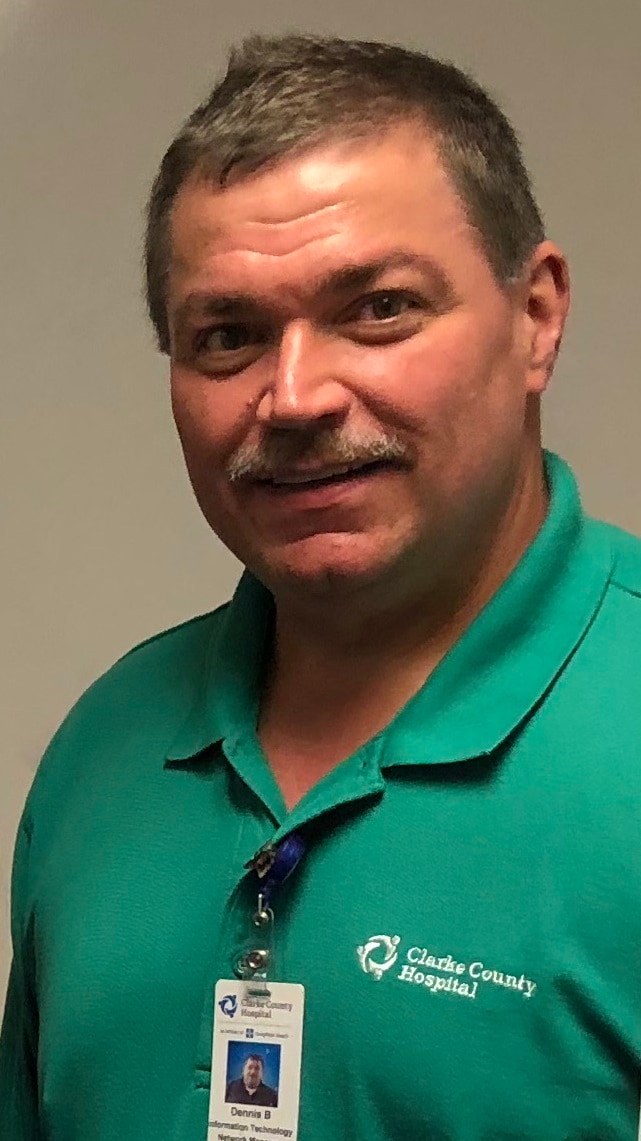
As a rural hospital with 25 critical access beds and over 250 employees in Osceola, Iowa (population: 5,400), CCH is not an obvious candidate for deploying next-generation technology. But CCH IT leader Dennis Blazek’s focus on self-sufficiency and future planning is earning the hospital a reputation as a trailblazer.
“We like doing things ourselves,” says Blazek, who leads a four-person IT team. “We know if we do it, then we learn the technology, and we won’t have to rely on somebody else to come and fix it.”
It was that can-do attitude that led Blazek to embrace low voltage lighting, powered by Cisco. A familiar feature of Cisco IP-telephony handsets since 2000, Power over Ethernet (PoE) transports both power and data across a single Cat 5 (or higher) cable, which eliminates the need for separate power supplies and outlets, simplifying cabling installation to save time and lower costs.
The PoE standard has since evolved, with the Cisco low voltage platform now delivering up to 90W of power for a growing range of use cases, including LED lighting, and giving IT teams like Blazek’s greater flexibility to connect devices in hard-to-reach areas. “That’s the beauty of the Cisco Catalyst 9300: it’s all Universal Power over Ethernet switches,” says Blazek. “By making that choice years ago, we can now put lights anywhere in the hospital without difficulty.”
Blazek first learned of PoE in 2017, during CCH’s 63,000-square-foot expansion. The project faced cost overruns, and Blazek’s team volunteered to handle network cabling instead of a third-party contractor, saving an estimated $500,000. With a view to ensuring sufficient network access long into the future, he planned to strategically locate wall enclosures throughout the new spaces to simplify network routing and provide flexibility.
In a meeting with Cisco about network switching requirements, CCH’s Cisco account rep raised the topic of PoE, piquing Blazek’s curiosity. “We’re in rural Iowa, so we don’t have highly skilled electricians sitting next door available to come help us,” says Blazek. “I was never happy when we had problems with lights, or anything electrical, and we had to wait for electricians to travel hours to replace a ballast or something.”
Blazek immediately recognized the opportunity to fold lighting into his team’s services. “We want to be able to help when we can,” says IT analyst Jodi Reindl, a 25-year employee of the hospital who works closely with Blazek. “We don’t have to wait on somebody else. If we can learn how to do it and it’s something we can control, that’s a very positive thing for our department. Everyone knows they can call IT, and we can fix it.”