Feedback
|
Table Of Contents
Cisco Unified IP Phone Release Notes for Firmware Release 9.0(2) (SCCP)
802.1x EAP-FAST and EAP-TLS Authentication
Adaptive Link Layer Discovery Protocol-Media Endpoint Device
Cisco Extension Mobility Cross Cluster
Installing Cisco Unified Communications Manager
Installing Cisco Unified Communications Manager Express
Installing Firmware Release 9.0(2) for SCCP
Resetting or Restoring the Cisco Unified IP Phone
Obtaining Documentation and Submitting a Service Request
Cisco Unified IP Phone Release Notes for Firmware Release 9.0(2) (SCCP)
Revised: April 20, 2010
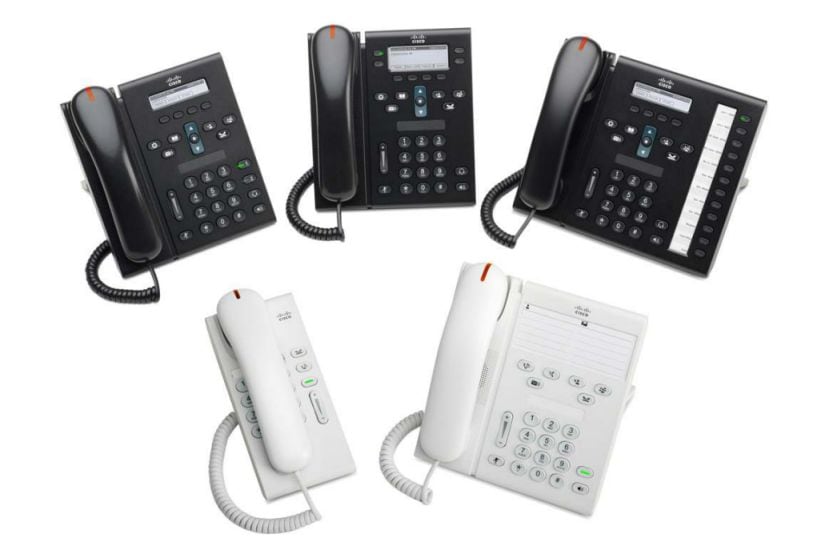
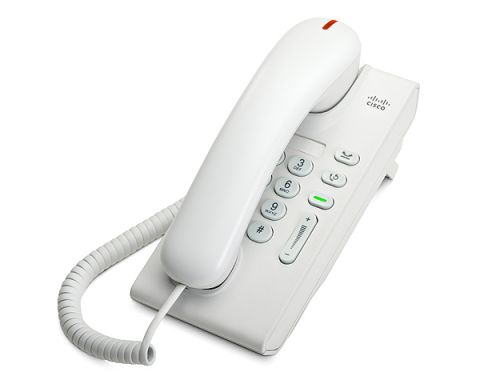
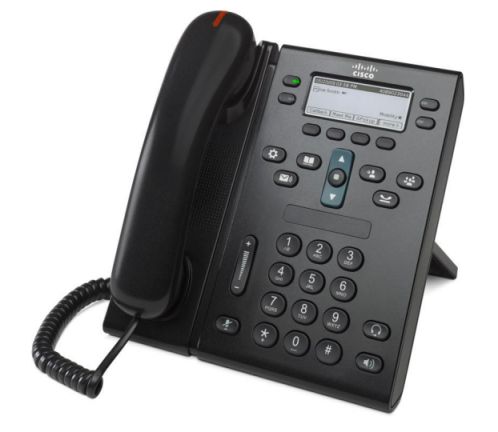
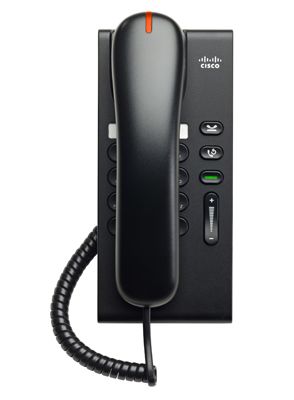
The information in this release note applies to the Cisco Unified IP Phone 6921, 6941, and 6941.
Use these release notes with Cisco Unified IP Phone 6921, 6941, and 6961 (SCCP) running firmware release 9.0(2). This version of firmware release 9.0(2) is compatible with Cisco Unified Communications Manager 8.0.
Contents
These release notes provide the following information. You might need to notify your users about some of the information provided in this document.
•
Obtaining Documentation and Submitting a Service Request
Related Documentation
Cisco Unified IP Phone Documentation
Refer to publications that are specific to your language, phone model and Cisco Unified Communications Manager release. Navigate from the following documentation URL:
http://www.cisco.com/en/US/products/ps10326/tsd_products_support_series_home.html
Cisco Unified Communications Manager Documentation
Refer to the Cisco Unified Communications Manager Documentation Guide and other publications specific to your Cisco Unified Communications Manager release. Navigate from the following URL:
http://www.cisco.com/en/US/products/sw/voicesw/ps556/tsd_products_support_series_home.html
Cisco Unified Communications Manager Business Edition Documentation
Refer to the Cisco Unified Communications Manager Business Edition Documentation Guide and other publications that are specific to your Cisco Unified Communications Manager release. Navigate from the following URL:
http://www.cisco.com/en/US/products/ps7273/tsd_products_support_series_home.html
Cisco Unified Communications Manager Express Documentation
Refer to the Cisco Unified Communications Manager Express Documentation Guide and other publications specific to your Cisco Unified Communications Manager Express release. Navigate from the following URL:
http://www.cisco.com/en/US/products/sw/voicesw/ps4625/tsd_products_support_series_home.html
New and Changed Information
The following information is new for Cisco Unified IP Phone 6921, 6941, and 6961 (SCCP) running firmware release 9.0(2).
•
802.1x EAP-FAST and EAP-TLS Authentication
•
Adaptive Link Layer Discovery Protocol-Media Endpoint Device
•
Cisco Extension Mobility Cross Cluster
•
Cisco Unified Video Advantage
802.1x EAP-FAST and EAP-TLS Authentication
Firmware release 9.0(2) introduces the EAP-FAST and EAP-TLS authentication mechanisms to authenticate a phone to the network. In addition, this feature allows the system administrator to control the 802.1x status of the phone from the Cisco Unified Communications Manager Phone Configuration window, or allows the user to control the status from the phone configuration window.
The user can control the 802.1x phone status using the Phone Configuration window Settings > Security Configuration > 802.1X Authentication > Device Authentication.
If the system administrator sets the status from the Unified CM Phone Configuration window to Enabled or Disabled, it cannot be changed using the phone UI. If the system administrator selects the User Controlled (default) option from the Unified CM Phone Configuration window, the user can control the 802.1x status on the phone.
Note
The EAP-FAST and EAP-TLS authentication protocols should be used with Access Control Server (ACS) version 4.2 or later.
Note
The ACS 4.2 feature, EAP-FAST Authorization Bypass, should be used if minimal provisioning is desired.
This feature is supported on the following phones:
•
Cisco Unified IP Phone 6921
•
Cisco Unified IP Phone 6941
•
Cisco Unified IP Phone 6961
Where to Find More Information
Cisco Unified IP Phone Administration Guide
Adaptive Link Layer Discovery Protocol-Media Endpoint Device
The Adaptive Link Layer Discovery Protocol-Media Endpoint Device (Adaptive LLDP-MED) feature delays transmitting LLDP packets at IP phone startup until the system verifies that LLDP messaging is supported. During this period, the voice-VLAN phone configuration is available through valid Cisco Discovery Protocol (CDP) messaging. The duration of the verification is typically about 6 to 30 seconds.
The Adaptive implementation was added to the LLDP-MED feature for two reasons:
•
Some customers enable Cisco Catalyst Port Security features on the Cisco Catalyst switches that do not support LLDP-MED, which may cause switch ports to shut down and the IP phones to be disabled when port security is enabled.
•
Some legacy Cisco IOS switches do not recognize the LLDP multicast address, which may cause connectivity problems with the IP phones.
The feature affects only the network (switch) port-state machine of the IP phone.
After both CDP and LLDP packets have been received on the SW port, LLDP becomes the preferred protocol. (Even with the Adaptive implementation, some exceptions may cause a port to shut down.)
If the customer's network configuration does not support LLDP messaging, it is recommended that LLDP be disabled permanently in the Cisco Unified CM Administration application in the Phone Configuration window. Failing to disable LLDP when it is not supported may cause issues for customers that are using older or legacy switches with port security enabled.
(To disable LLDP in the Cisco Unified CM Administration application, choose Device > Phone, select the appropriate IP phones, and scroll to the Product Specific Configuration Layout pane.)
This feature is supported on the following phones:
•
Cisco Unified IP Phone 6921
•
Cisco Unified IP Phone 6941
•
Cisco Unified IP Phone 6961
Where to Find More Information
Cisco Unified IP Phone Administration Guide
Cisco Extension Mobility Cross Cluster
Cisco Extension Mobility (EM) works on Cisco Unified IP Phones within a single Cisco Unified Communications Manager cluster only. A user configured in one cluster cannot log into a Cisco Unified IP Phone of another cluster with the EM feature.
Cisco Extension Mobility Cross Cluster (EMCC) enables a user configured in one cluster to log into a Cisco Unified IP Phone in another cluster. Users from a home cluster log into a Cisco Unified IP Phone at a visiting cluster.
Note
Configure Cisco Extension Mobility on Cisco Unified IP Phones before configuring EMCC.
This feature is supported on the following phones:
•
Cisco Unified IP Phone 6921
•
Cisco Unified IP Phone 6941
•
Cisco Unified IP Phone 6961
Where to Find More Information
•
Cisco Unified Communications Manager Features and Services Guide, Cisco Extension Mobility Cross Cluster
•
Cisco Unified IP Phone Administration Guide
Cisco Unified Video Advantage
In firmware release 9.0(2), Cisco Unified Video Advantage (CUVA) adds video to your communications experience by providing video telephony functionality to the Cisco Unified IP Phone.
With CUVA, you can use the IP Phone interface to make and receive video calls on your Cisco Unified IP Phone.
This feature is supported on the following phones:
•
Cisco Unified IP Phone 6921
•
Cisco Unified IP Phone 6941
•
Cisco Unified IP Phone 6961
Where to Find More Information
•
Cisco Unified IP Phone Guide
•
Cisco Unified IP Phone Administration Guide
Conference Barge
In firmware release 9.0(2), users can add their call to a remote, active call on a shared line, and convert both calls into a conference call (cBarge). Once the conference has been established, the callers can access all of the conference features available on the phone.
Note
Barge is not supported on Cisco Unified IP Phone 6921, 6941, and 6961. Only cBarge is supported on these phones.
This feature is supported on the following phones:
•
Cisco Unified IP Phone 6921
•
Cisco Unified IP Phone 6941
•
Cisco Unified IP Phone 6961
Where to Find More Information
•
Cisco Unified IP Phone Guide
•
Cisco Unified IP Phone Administration Guide
Image Authentication
Firmware 9.0(2) introduces image authentication for a Cisco Unified IP Phone. Before a firmware load or file is loaded on the phone, this feature verifies the load is valid before the download process begins.
This feature is supported on the following phones:
•
Cisco Unified IP Phone 6921
•
Cisco Unified IP Phone 6941
•
Cisco Unified IP Phone 6961
Where to Find More Information
Cisco Unified IP Phone Administration Guide
Installation Notes
This section contains these sections:
•
Installing Cisco Unified Communications Manager
•
Installing Cisco Unified Communications Manager Express
•
Installing Firmware Release 9.0(2) for SCCP
Installation Upgrade Notes
Direct upgrades, using unsigned load files, are supported from firmware release 8.5(4) to 9.0(2). You can use the following firmware release file for these direct upgrades:
cmterm-6921_6941_6961-sccp.9-0-2-0-uns.cop.sgn
Note
After you upgrade from firmware release 8.5(4) to 9.0(2) and for subsequent firmware releases, you can upgrade or downgrade only to signed firmware releases.
Before You Begin
Before you upgrade from Cisco Unified Communications Manager (Unified CM) 7.1(x) to 8.(0), you must upgrade to firmware release 9.0(2).
Installing Cisco Unified Communications Manager
Before using the Cisco Unified IP Phone with Cisco Unified Communications Manager, you must install the latest firmware on all Cisco Unified Communications Manager servers in the cluster.
To download and install the Cisco Unified Communications Manager version, follow these steps:
Procedure
Step 1
Go to the following URL:
http://tools.cisco.com/support/downloads/pub/Redirect.x?mdfid=278875240
Step 2
Log in to the Tools and Resources Download Software page.
Step 3
Choose the IP Telephony folder by clicking +.
Step 4
Choose Call Control > Cisco Unified Communications Manager (CallManager).
Step 5
Choose your Cisco Unified Communications Manager version.
Installing Cisco Unified Communications Manager Express
To download and install the Cisco Unified Communications Manager Express version, follow these steps:
Procedure
Step 1
Go to the following URL:
http://tools.cisco.com/support/downloads/pub/Redirect.x?mdfid=278875240
Step 2
Log in to the Tools and Resources Download Software page.
Step 3
Choose the IP Telephony folder by clicking +.
Step 4
Choose Call Control > Cisco Unified Communications Manager Express.
Step 5
Choose your Cisco Unified Communications Manager Express version from the Select a File to Download section.
Installing Firmware Release 9.0(2) for SCCP
To download and install the phone firmware, follow these steps:
Procedure
Step 1
Go to the following URL:
http://tools.cisco.com/support/downloads/go/Redirect.x?mdfid=278875240
Step 2
Log in to the Tools and Resources Download Software page.
Step 3
Choose the IP Telephony folder by clicking +.
Step 4
Choose your phone type.
Step 5
Choose 9.0(2) under the Latest Releases folder.
Step 6
To download the SCCP firmware for the Cisco Unified IP Phone, choose one of the following firmware releases. Click the Download Now or Add to cart button and follow the prompts:
•
cmterm-6921_6941_6961-sccp.9-0-2-0.cop.sgn
•
cmterm-6921_6941_6961-sccp.9-0-2-0-uns.cop.sgn
Note
If you added the firmware file to the cart, click the Download Cart link when you are ready to download the file.
Step 7
Click the + next to the firmware file name in the Download Cart section to access additional information about this file.The hyperlink for the Readme file is in the Additional Information section, which contains installation instructions for the corresponding firmware:
cmterm-6921_6941_6961-sccp.9-0-2-0-readme.html
Step 8
Follow the instructions in the Readme file to install the firmware.
Caveats
This section contains these topics:
Using Bug Toolkit
Known problems (bugs) are graded according to severity level. These release notes contain descriptions of:
•
All severity level 1 or 2 bugs.
•
Significant severity level 3 bugs.
You can search for problems by using the Cisco Software Bug Toolkit.
To access Bug Toolkit, you need the following items:
•
Internet connection
•
Web browser
•
Cisco.com user ID and password
To use the Software Bug Toolkit, follow these steps:
Procedure
Step 1
To access the Bug Toolkit, go to http://tools.cisco.com/Support/BugToolKit/action.do?hdnAction=searchBugs.
Step 2
Log on with your Cisco.com user ID and password.
Step 3
To look for information about a specific problem, enter the bug ID number in the "Search for bug ID" field, then click Go.
Open Caveats
Table 1 lists Severity 1, 2 and 3 defects that are open for the Cisco Unified IP Phone using firmware release 9.0(2).
For more information about an individual defect, you can access the online record for the defect by clicking the Identifier or going to the URL shown. You must be a registered Cisco.com user to access this online information.
Because defect status continually changes, be aware that Table 1 reflects a snapshot of the defects that were open at the time this report was compiled. For an updated view of open defects, access Bug Toolkit as described in the "Using Bug Toolkit" section.
Resolved Caveats
Table 2 lists Severity 1, 2 and 3 defects that are resolved for the Cisco Unified IP Phone using firmware release 9.0(2).
For more information about an individual defect, you can access the online record for the defect by clicking the Identifier or going to the URL shown. You must be a registered Cisco.com user to access this online information.
Because defect status continually changes, be aware that Table 2 reflects a snapshot of the defects that were resolved at the time this report was compiled. For an updated view of resolved defects, access Bug Toolkit as described in the "Using Bug Toolkit" section.
Documentation Updates
This section contains recent changes to the Cisco Unified IP Phone documentation.
•
Configuring Softkey Templates
•
Resetting or Restoring the Cisco Unified IP Phone
Wireless Headset Support
The following update applies to the "Setting Up the Cisco Unified IP Phone" chapter in the Cisco Unified IP Phone 6921, 6941, and 6961 Administration Guide for Cisco Unified Communications Manager 8.0 (SCCP).
In the section on "Audio Quality Subjective to the User," there are references to using wireless headsets with the Cisco Unified IP Phone 6921, 6941, and 6961.
There is no wireless headset support for the Cisco Unified IP Phone 6921, 6941, and 6961.
Configuring Softkey Templates
The following update applies to the "Configuring Features, Templates, Services, and Users" chapter in the Cisco Unified IP Phone 6921, 6941, and 6961 Administration Guide for Cisco Unified Communications Manager 7.1 (SCCP).
In the Configuring Softkey Templates section, Table 5-2, the Select and Undefine feature entries are invalid entries and should be ignored.
Resetting or Restoring the Cisco Unified IP Phone
There are two general methods for resetting or restoring the Cisco Unified IP Phone:
Performing a Basic Reset
Performing a basic reset of a Cisco Unified IP Phone provides a way to recover if the phone experiences an error and provides a way to reset or restore various configuration and security settings.
Table 3 describes the ways to perform a basic reset. You can reset a phone with any of these operations after the phone has started up. Choose the operation that is appropriate for your situation.
Performing a Factory Reset
When you perform a factory reset of the Cisco Unified IP Phone, the following information is erased or reset to its default value:
•
User configuration settings—Reset to default values
•
Network setup settings—Reset to default values
•
Call histories—Erased
•
Locale information—Reset to default values
Before you perform a factory reset, ensure that the following conditions are met:
•
The phone must be on a DHCP-enabled network.
•
A valid TFTP server must be set in DHCP option 150 or option 66 on the DHCP server.
To perform a factory reset of a phone, you can press the Applications button and choose Admin Settings > Reset Settings > All.
Alternatively, you can also follow these steps:
Procedure
Step 1
While powering up the phone, press and hold #.
Step 2
When the light on the mute button and handset light strip turns off and all other lights (line button, headset button, speakerphone button and select button) stay green, press 123456789*0# in sequence.
When you press 1, the lights on the line buttons turn red. The light on the select button flash when a button is pressed.
If you press the buttons out of sequence, the lights on the line button, headset button, speakerphone button, and select button turn green. You will need to start over and press 123456789*0# in sequence again.
After you press these buttons, the phone goes through the factory reset process.
Do not power down the phone until it completes the factory reset process, and the main screen appears.
Obtaining Documentation and Submitting a Service Request
For information on obtaining documentation, submitting a service request, and gathering additional information, see the monthly What's New in Cisco Product Documentation, which also lists all new and revised Cisco technical documentation, at:
http://www.cisco.com/en/US/docs/general/whatsnew/whatsnew.html
Subscribe to the What's New in Cisco Product Documentation as a Really Simple Syndication (RSS) feed and set content to be delivered directly to your desktop using a reader application. The RSS feeds are a free service and Cisco currently supports RSS version 2.0.
CCDE, CCENT, CCSI, Cisco Eos, Cisco Explorer, Cisco HealthPresence, Cisco IronPort, the Cisco logo, Cisco Nurse Connect, Cisco Pulse, Cisco SensorBase, Cisco StackPower, Cisco StadiumVision, Cisco TelePresence, Cisco TrustSec, Cisco Unified Computing System, Cisco WebEx, DCE, Flip Channels, Flip for Good, Flip Mino, Flipshare (Design), Flip Ultra, Flip Video, Flip Video (Design), Instant Broadband, and Welcome to the Human Network are trademarks; Changing the Way We Work, Live, Play, and Learn, Cisco Capital, Cisco Capital (Design), Cisco:Financed (Stylized), Cisco Store, Flip Gift Card, and One Million Acts of Green are service marks; and Access Registrar, Aironet, AllTouch, AsyncOS, Bringing the Meeting To You, Catalyst, CCDA, CCDP, CCIE, CCIP, CCNA, CCNP, CCSP, CCVP, Cisco, the Cisco Certified Internetwork Expert logo, Cisco IOS, Cisco Lumin, Cisco Nexus, Cisco Press, Cisco Systems, Cisco Systems Capital, the Cisco Systems logo, Cisco Unity, Collaboration Without Limitation, Continuum, EtherFast, EtherSwitch, Event Center, Explorer, Follow Me Browsing, GainMaker, iLYNX, IOS, iPhone, IronPort, the IronPort logo, Laser Link, LightStream, Linksys, MeetingPlace, MeetingPlace Chime Sound, MGX, Networkers, Networking Academy, PCNow, PIX, PowerKEY, PowerPanels, PowerTV, PowerTV (Design), PowerVu, Prisma, ProConnect, ROSA, SenderBase, SMARTnet, Spectrum Expert, StackWise, WebEx, and the WebEx logo are registered trademarks of Cisco and/or its affiliates in the United States and certain other countries.
All other trademarks mentioned in this document or website are the property of their respective owners. The use of the word partner does not imply a partnership relationship between Cisco and any other company. (1002R)
Any Internet Protocol (IP) addresses used in this document are not intended to be actual addresses. Any examples, command display output, and figures included in the document are shown for illustrative purposes only. Any use of actual IP addresses in illustrative content is unintentional and coincidental.
© 2010 Cisco Systems, Inc. All rights reserved.
Feedback