Table Of Contents
Catalyst 6500 Series Switch and Cisco 7600 Series Router Firewall Services Module Installation Note
Contents
Product Overview
Safety Overview
Physical Description
Front Panel Description
STATUS LED
SHUTDOWN Button
Hardware Specifications
Memory and Hardware Requirements
Memory and Storage Requirements
Hardware Requirements
Required Tools
Installing and Removing the FWSM
Slot Assignments
Removing a Module
Installing a Module
Verifying the Installation and Configuring the Module
Translated Safety Warnings
Statement 200—Safety Information Referral Warning
Statement 94—Wrist Strap Warning
Statement 1030—Equipment Installation
Statement 1034—Backplane Voltage
Statement 1029—Blank Faceplates and Cover Panels
Statement 1051—Laser Radiation
Related Documentation
Obtaining Documentation and Submitting a Service Request
Catalyst 6500 Series Switch and Cisco 7600 Series Router Firewall Services Module Installation Note
Product number: WS-SVC-FWM-1-K9
This document describes how to install the Firewall Services Module (FWSM) in the Catalyst 6500 series switch chassis and Cisco 7600 series router chassis, and it includes the FWSM hardware requirements.
Note
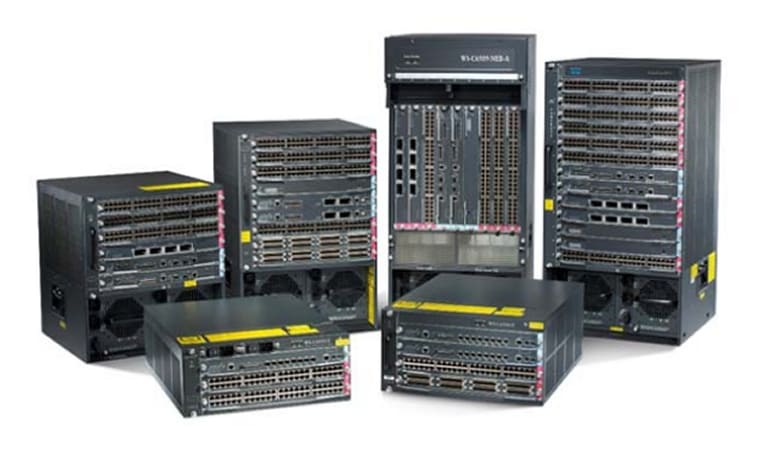
The Catalyst 6500 series consists of the Catalyst 6500 and Catalyst 6000 series switches. The Catalyst 6500 series consists of the Catalyst 6006, 6009, 6503, 6506, 6509, 6509-NEB, 6509-NEB-A, and 6513 switches. Throughout this publication and all Catalyst 6500 documents, the phrase "Catalyst 6500 switches" refers to these switches, unless otherwise noted.
Note
For information on the latest caveats and for updates on the FWSM, see the Release Notes for the Catalyst 6500 Series Switch and Cisco 7600 Series Router Firewall Services Module.
Contents
This document includes these sections:
•
Product Overview
•
Safety Overview
•
Physical Description
•
Memory and Hardware Requirements
•
Required Tools
•
Installing and Removing the FWSM
•
Translated Safety Warnings
•
Related Documentation
•
Obtaining Documentation and Submitting a Service Request
Product Overview
The FWSM is a high-performance firewall module for the Catalyst 6500 series switches and the Cisco 7600 series routers. The FWSM protects inside networks from unauthorized access by users on an outside network. It can also protect inside networks from each other, for example, by keeping a human resources network separate from a user network. If you have network resources that need to be available to an outside user, such as a web server or an FTP server, you can place these resources on a separate network behind the firewall, called a demilitarized zone (DMZ). The firewall allows limited access to the DMZ, but because the DMZ includes the public servers only, an attack on the DMZ affects only the servers and does not affect the other inside networks. You can also control outside access by inside users (for example, access to the Internet) by allowing only certain addresses out, by requiring authentication or authorization, or by coordinating with an external URL filtering server.
The FWSM includes advanced features, such as multiple security contexts (which are virtualized), transparent (Layer 2) firewall or routed (Layer 3) firewall operations, hundreds of interfaces, and many other features. For more information, refer to the Catalyst 6500 Series Switch and Cisco 7600 Series Router Firewall Services Module Software Configuration Guide.
Safety Overview
Safety warnings appear throughout this publication in procedures that may harm you if performed incorrectly. A warning symbol precedes each warning statement.
|
Warning 
|
IMPORTANT SAFETY INSTRUCTIONS
This warning symbol means danger. You are in a situation that could cause bodily injury. Before you work on any equipment, be aware of the hazards involved with electrical circuitry and be familiar with standard practices for preventing accidents. To see translations of the warnings that appear in this publication, refer to the translated safety warnings that accompanied this device.
Note: SAVE THESE INSTRUCTIONS
Note: This documentation is to be used in conjunction with the specific product installation guide that shipped with the product. Please refer to the Installation Guide, Configuration Guide, or other enclosed additional documentation for further details.
|
Waarschuwing
|
BELANGRIJKE VEILIGHEIDSINSTRUCTIES
Dit waarschuwingssymbool betekent gevaar. U verkeert in een situatie die lichamelijk letsel kan veroorzaken. Voordat u aan enige apparatuur gaat werken, dient u zich bewust te zijn van de bij elektrische schakelingen betrokken risico's en dient u op de hoogte te zijn van de standaard praktijken om ongelukken te voorkomen. Voor een vertaling van de waarschuwingen die in deze publicatie verschijnen, dient u de vertaalde veiligheidswaarschuwingen te raadplegen die bij dit apparaat worden geleverd.
Opmerking BEWAAR DEZE INSTRUCTIES.
Opmerking Deze documentatie dient gebruikt te worden in combinatie met de installatiehandleiding voor het specifieke product die bij het product wordt geleverd. Raadpleeg de installatiehandleiding, configuratiehandleiding of andere verdere ingesloten documentatie voor meer informatie.
|
Varoitus
|
TÄRKEITÄ TURVALLISUUTEEN LIITTYVIÄ OHJEITA
Tämä varoitusmerkki merkitsee vaaraa. Olet tilanteessa, joka voi johtaa ruumiinvammaan. Ennen kuin työskentelet minkään laitteiston parissa, ota selvää sähkökytkentöihin liittyvistä vaaroista ja tavanomaisista onnettomuuksien ehkäisykeinoista. Tässä asiakirjassa esitettyjen varoitusten käännökset löydät laitteen mukana toimitetuista ohjeista.
Huomautus SÄILYTÄ NÄMÄ OHJEET
Huomautus Tämä asiakirja on tarkoitettu käytettäväksi yhdessä tuotteen mukana tulleen asennusoppaan kanssa. Katso lisätietoja asennusoppaasta, kokoonpano-oppaasta ja muista mukana toimitetuista asiakirjoista.
|
Attention
|
IMPORTANTES INFORMATIONS DE SÉCURITÉ
Ce symbole d'avertissement indique un danger. Vous vous trouvez dans une situation pouvant causer des blessures ou des dommages corporels. Avant de travailler sur un équipement, soyez conscient des dangers posés par les circuits électriques et familiarisez-vous avec les procédures couramment utilisées pour éviter les accidents. Pour prendre connaissance des traductions d'avertissements figurant dans cette publication, consultez les consignes de sécurité traduites qui accompagnent cet appareil.
Remarque CONSERVEZ CES INFORMATIONS
Remarque Cette documentation doit être utilisée avec le guide spécifique d'installation du produit qui accompagne ce dernier. Veuillez vous reporter au Guide d'installation, au Guide de configuration, ou à toute autre documentation jointe pour de plus amples renseignements.
|
Warnung
|
WICHTIGE SICHERHEITSANWEISUNGEN
Dieses Warnsymbol bedeutet Gefahr. Sie befinden sich in einer Situation, die zu einer Körperverletzung führen könnte. Bevor Sie mit der Arbeit an irgendeinem Gerät beginnen, seien Sie sich der mit elektrischen Stromkreisen verbundenen Gefahren und der Standardpraktiken zur Vermeidung von Unfällen bewusst. Übersetzungen der in dieser Veröffentlichung enthaltenen Warnhinweise sind im Lieferumfang des Geräts enthalten.
Hinweis BEWAHREN SIE DIESE SICHERHEITSANWEISUNGEN AUF
Hinweis Dieses Handbuch ist zum Gebrauch in Verbindung mit dem Installationshandbuch für Ihr Gerät bestimmt, das dem Gerät beiliegt. Entnehmen Sie bitte alle weiteren Informationen dem Handbuch (Installations- oder Konfigurationshandbuch o. Ä.) für Ihr spezifisches Gerät.
|
Figyelem!
|
FONTOS BIZTONSÁGI ELÕÍRÁSOK
Ez a figyelmezetõ jel veszélyre utal. Sérülésveszélyt rejtõ helyzetben van. Mielõtt bármely berendezésen munkát végezte, legyen figyelemmel az elektromos áramkörök okozta kockázatokra, és ismerkedjen meg a szokásos balesetvédelmi eljárásokkal. A kiadványban szereplõ figyelmeztetések fordítása a készülékhez mellékelt biztonsági figyelmeztetések között található.
Megjegyzés ÕRIZZE MEG EZEKET AZ UTASÍTÁSOKAT!
Megjegyzés Ezt a dokumentációt a készülékhez mellékelt üzembe helyezési útmutatóval együtt kell használni. További tudnivalók a mellékelt Üzembe helyezési útmutatóban (Installation Guide), Konfigurációs útmutatóban (Configuration Guide) vagy más dokumentumban találhatók.
|
Avvertenza
|
IMPORTANTI ISTRUZIONI SULLA SICUREZZA
Questo simbolo di avvertenza indica un pericolo. La situazione potrebbe causare infortuni alle persone. Prima di intervenire su qualsiasi apparecchiatura, occorre essere al corrente dei pericoli relativi ai circuiti elettrici e conoscere le procedure standard per la prevenzione di incidenti. Per le traduzioni delle avvertenze riportate in questo documento, vedere le avvertenze di sicurezza che accompagnano questo dispositivo.
Nota CONSERVARE QUESTE ISTRUZIONI
Nota La presente documentazione va usata congiuntamente alla guida di installazione specifica spedita con il prodotto. Per maggiori informazioni, consultare la Guida all'installazione, la Guida alla configurazione o altra documentazione acclusa.
|
Advarsel
|
VIKTIGE SIKKERHETSINSTRUKSJONER
Dette varselssymbolet betyr fare. Du befinner deg i en situasjon som kan forårsake personskade. Før du utfører arbeid med utstyret, bør du være oppmerksom på farene som er forbundet med elektriske kretssystemer, og du bør være kjent med vanlig praksis for å unngå ulykker. For å se oversettelser av advarslene i denne publikasjonen, se de oversatte sikkerhetsvarslene som følger med denne enheten.
Merk TA VARE PÅ DISSE INSTRUKSJONENE
Merk Denne dokumentasjonen skal brukes i forbindelse med den spesifikke installasjonsveiledningen som fulgte med produktet. Vennligst se installasjonsveiledningen, konfigureringsveiledningen eller annen vedlagt tilleggsdokumentasjon for detaljer.
|
Aviso
|
INSTRUÇÕES IMPORTANTES DE SEGURANÇA
Este símbolo de aviso significa perigo. O utilizador encontra-se numa situação que poderá ser causadora de lesões corporais. Antes de iniciar a utilização de qualquer equipamento, tenha em atenção os perigos envolvidos no manuseamento de circuitos eléctricos e familiarize-se com as práticas habituais de prevenção de acidentes. Para ver traduções dos avisos incluídos nesta publicação, consulte os avisos de segurança traduzidos que acompanham este dispositivo.
Nota GUARDE ESTAS INSTRUÇÕES
Nota Esta documentação destina-se a ser utilizada em conjunto com o manual de instalação incluído com o produto específico. Consulte o manual de instalação, o manual de configuração ou outra documentação adicional inclusa, para obter mais informações.
|
¡Advertencia!
|
INSTRUCCIONES IMPORTANTES DE SEGURIDAD
Este símbolo de aviso indica peligro. Existe riesgo para su integridad física. Antes de manipular cualquier equipo, considere los riesgos de la corriente eléctrica y familiarícese con los procedimientos estándar de prevención de accidentes. Vea las traducciones de las advertencias que acompañan a este dispositivo.
Nota GUARDE ESTAS INSTRUCCIONES
Nota Esta documentación está pensada para ser utilizada con la guía de instalación del producto que lo acompaña. Si necesita más detalles, consulte la Guía de instalación, la Guía de configuración o cualquier documentación adicional adjunta.
|
Varning!
|
VIKTIGA SÄKERHETSANVISNINGAR
Denna varningssignal signalerar fara. Du befinner dig i en situation som kan leda till personskada. Innan du utför arbete på någon utrustning måste du vara medveten om farorna med elkretsar och känna till vanliga förfaranden för att förebygga olyckor. Se översättningarna av de varningsmeddelanden som finns i denna publikation, och se de översatta säkerhetsvarningarna som medföljer denna anordning.
OBS! SPARA DESSA ANVISNINGAR
OBS! Denna dokumentation ska användas i samband med den specifika produktinstallationshandbok som medföljde produkten. Se installationshandboken, konfigurationshandboken eller annan bifogad ytterligare dokumentation för närmare detaljer.
|
|
|
|
|
|
|
Physical Description
This section includes the following topics:
•
Front Panel Description
•
Hardware Specifications
Front Panel Description
The front panel includes a STATUS LED and SHUTDOWN button. (See Figure 1.)
Figure 1 Firewall Services Module Front Panel
STATUS LED
The STATUS LED indicates the operating states of the module. Table 1 describes the LED operation.
Table 1 STATUS LED Description
Color
|
Description
|
Green
|
All diagnostic tests passed. The module is operational.
|
Red
|
A diagnostic other than an individual port test failed.
|
Orange
|
Indicates one of three conditions:
• The module is running through its boot and self-test diagnostic sequence.
• The module is disabled.
• The module is in the shutdown state.
|
Off
|
The module power is off.
|
SHUTDOWN Button
Caution 
Do not remove the
module from the switch until the
module has shut down completely and the STATUS LED is orange or off. You can damage the
module if you remove it from the switch before it completely shuts down.
To avoid corrupting the compact Flash memory, you must correctly shut down the module before you remove it from the chassis or disconnect the power. The shutdown procedure is initiated by commands entered at the supervisor engine CLI prompt.
For Cisco IOS, enter the hw-module shutdown command to shut down the module, then after the STATUS LED is orange or off, enter the no power enable module command before removing the module. When the module is reinserted, enter the the power enable module command to restore power, and the module will restart automatically.
If the module fails to properly respond to these commands, use the SHUTDOWN button on the front panel to initiate the shutdown procedure. The shutdown procedure may require several minutes. The STATUS LED turns orange when the module shuts down.
Hardware Specifications
Table 2 describes the hardware specifications for the FWSM.
Table 2 Specifications
Hardware Specification
|
Description
|
Dimensions (H x W x D)
|
1.18 x 15.51 x 16.34 in. (30 x 394 x 415 mm)
|
Weight
|
• Minimum: 3 lb (1.36 kg)
• Maximum: 5 lb (2.27 kg)
|
Environmental conditions:
• Operating temperature
• Nonoperating temperature
• Humidity
|
• 32×F to 104×F (0×C to 40×C)
• -40×F to 167×F (-40×C to 75×C)
• 10% to 90%, noncondensing
|
Memory and Hardware Requirements
This section describes the memory and hardware requirements for the FWSM:
•
Memory and Storage Requirements
•
Hardware Requirements
Memory and Storage Requirements
The switch does not require additional memory or storage for the FWSM. The module contains the following memory:
•
1 GB RAM
•
128 MB compact flash
Hardware Requirements
The Cisco IOS software and Catalyst operating system software require a Catalyst 6500 series switch or Cisco 7600 series router with a Supervisor Engine 1A (Catalyst operating system only) and an MSFC 2 or a Supervisor Engine 2 (Catalyst operating system and Cisco IOS) and an MSFC 2. The FWSM is supported on the supervisor engine with Cisco IOS software and the Catalyst operating system software.
Note
Before installing the FWSM, you must install the Catalyst 6500 series switch or Cisco 7600 series router chassis and at least one supervisor engine. For information about installing the chassis, see the Catalyst 6500 Series Installation Guide or the Cisco 7600 Series Router Installation Guide.
Required Tools
These tools are required to install the FWSM in the Catalyst 6500 series switches and Cisco 7600 series routers:
•
Flat-blade screwdriver
•
Phillips-head screwdriver
•
Wrist strap or other grounding device
•
Antistatic mat or antistatic foam
Whenever you handle the module, always use a wrist strap or other grounding device to prevent electrostatic discharge (ESD).
Installing and Removing the FWSM
Warning
Only trained and qualified personnel should be allowed to install, replace, or service this equipment. Statement 1030
Warning
During this procedure, wear grounding wrist straps to avoid ESD damage to the module. Do not directly touch the backplane with your hand or any metal tool, or you could shock yourself. Statement 94
All Catalyst 6500 series switches and Cisco 7600 series routers support hot swapping, which allows you to install, remove, replace, and rearrange modules without turning off the system power. For more information about removing the FWSM from a switch, see the "Removing a Module" section.
When the system software detects that a module has been installed or removed, the system automatically runs diagnostic and discovery routines, acknowledges the presence or absence of the module, and resumes system operation.
This section describes how to install and verify the operation of the FWSM in the Catalyst 6500 series switches and Cisco 7600 series routers, and it includes the following sections:
•
Slot Assignments
•
Removing a Module
•
Installing a Module
•
Verifying the Installation and Configuring the Module
Slot Assignments
The Catalyst 6503 switch chassis has three horizontal slots, the Catalyst 6006 and 6506 switch chassis have six horizontal slots, the Catalyst 6009 and 6509 switch chassis have nine horizontal slots, and the Catalyst 6513 switch chassis has thirteen horizontal slots.
The Catalyst 6509-NEB and Catalyst 6509-NEB-A switches have nine vertical slots, which are numbered 1 to 9 from right to left. Install the modules with the component side facing to the right.
For the 3-, 6-, and 9-slot chassis, each slot is used as follows:
•
Slot 1 is reserved for the supervisor engine.
•
Slot 2 can be used for a redundant supervisor engine if the supervisor engine in slot 1 fails.
•
If a redundant supervisor engine is not required, slot 3 on the 3-slot chassis, slots 2 through 6 on the 6-slot chassis, and slots 2 through 9 on the 9-slot chassis are available for switching modules, such as the Firewall Services Module.
•
The empty slots require filler plates, which are blank switching-module carriers, to maintain consistent airflow through the switch chassis.
For the 13-slot chassis, each slot is used as follows:
•
Slot 1 is reserved for the supervisor engine if you are using a Supervisor Engine 2.
•
Slot 2 can be used for a redundant supervisor engine if the Supervisor Engine 2 in slot 1 fails.
•
Slots 7 and 8 are reserved for supervisor engines if you are using the Supervisor Engine 32 or the Supervisor Engine 720.
•
If a redundant supervisor engine is not required, all of the remaining slots are available for switching modules, such as the Firewall Services Module.
•
The empty slots require filler plates, which are blank switching-module carriers, to maintain consistent airflow through the switch chassis.
Removing a Module
This section describes how to remove an existing module from a chassis slot. Before removing the module, shut down the module as described in the "SHUTDOWN Button" section.
Caution
Do not remove the module from the switch until the module has shut down completely and the STATUS LED is orange or off. You can damage the module if you remove it from the switch before it completely shuts down.
Warning
During this procedure, wear grounding wrist straps to avoid ESD damage to the module. Do not directly touch the backplane with your hand or any metal tool, or you could shock yourself. Statement 94
Warning
Before you install, operate, or service the system, read the Site Preparation and Safety Guide. This guide contains important safety information you should know before working with the system. Statement 200
Warning
Invisible laser radiation may be emitted from disconnected fibers or connectors. Do not stare into beams or view directly with optical instruments. Statement 1051
Warning
Hazardous voltage or energy is present on the backplane when the system is operating. Use caution when servicing. Statement 1034
To remove a module from the chassis slot, perform the following steps:
Step 1
Verify that the captive installation screws on all modules in the chassis are tight.
This step ensures that the space created by the removed module is maintained.
Note
If the captive installation screws are loose, the electromagnetic interference (EMI) gaskets on the installed modules will push the modules toward the open slot, reducing the opening size and making it difficult to install the replacement module.
Step 2
Loosen the two captive installation screws on the module.
Step 3
Depending on the orientation of the slots in the chassis (horizontal or vertical), perform one of the following sets of substeps:
Horizontal slots
a.
Place your thumbs on the left and right ejector levers, and simultaneously rotate the levers outward to unseat the module from the backplane connector.
b.
Grasp the front edge of the module, and slide the module part of the way out of the slot. Place one hand under the module to support the weight of the module. Do not touch the module circuitry.
Vertical slots
a.
Place your thumbs on the ejector levers located at the top and bottom of the module, and simultaneously rotate the levers outward to unseat the module from the backplane connector.
b.
Grasp the edges of the module, and slide the module straight out of the slot. Do not touch the module circuitry.
Step 4
Place the module on an antistatic mat or antistatic foam, or immediately reinstall it in another slot.
Step 5
If the slot is to remain empty, install a module filler plate to keep dust out of the chassis and to maintain sufficient airflow through the chassis.
Warning
Blank faceplates (filler panels) serve three important functions: they prevent exposure to hazardous voltages and currents inside the chassis; they contain electromagnetic interference (EMI) that might disrupt other equipment; and they direct the flow of cooling air through the chassis. Do not operate the system unless all modules and faceplates are in place. Statement 1029
Installing a Module
This section describes how to install modules in the Catalyst 6500 series switches.
Caution 
To prevent ESD damage, handle modules by the carrier edges only.
Warning
During this procedure, wear grounding wrist straps to avoid ESD damage to the module. Do not directly touch the backplane with your hand or any metal tool, or you could shock yourself. Statement 94
Warning
Invisible laser radiation may be emitted from disconnected fibers or connectors. Do not stare into beams or view directly with optical instruments. Statement 1051
Warning
Before you install, operate, or service the system, read the Site Preparation and Safety Guide. This guide contains important safety information you should know before working with the system. Statement 200
To install a module in the chassis, perform the following steps:
Step 1
Choose a slot for the module.
Step 2
Verify that there is enough clearance to accommodate any interface equipment that you will connect directly to the module ports. If possible, place modules between empty slots that contain only module filler plates.
Step 3
Verify that the captive installation screws are tightened on all modules installed in the chassis.
This action ensures that the EMI gaskets on all modules are fully compressed to maximize the opening space for the new module or the replacement module.
Note
If the captive installation screws are loose, the EMI gaskets on the installed modules will push adjacent modules toward the open slot, reducing the opening size and making it difficult to install the replacement module.
Step 4
Remove the module filler plate by removing the two Phillips pan-head screws from the filler plate. To remove a module, see the "Removing a Module" section.
Step 5
Fully open both ejector levers on the new or replacement module. (See Figure 2.)
Figure 2 Positioning the Module in a Horizontal Slot Chassis
Step 6
Depending on the orientation of the slots in the chassis (horizontal or vertical), perform one of the following sets of substeps:
Horizontal slots
a.
Position the module in the slot. (See Figure 2.) Make sure that you align the sides of the module carrier with the slot guides on each side of the slot.
b.
Carefully slide the module into the slot until the EMI gasket along the top edge of the module makes contact with the module in the slot above it, and both ejector levers have closed to approximately 45 degrees with respect to the module faceplate. (See Figure 3.)
Figure 3 Clearing the EMI Gasket in a Horizontal Slot Chassis
c.
Using the thumb and forefinger of each hand, grasp the two ejector levers, and press down to create a small (0.040 inch [1 mm]) gap between the EMI gasket and the module above it. (See Figure 3.)
Caution 
Do not press down too hard on the levers. They will bend and be damaged.
d.
While pressing down, simultaneously close the left and right ejector levers to fully seat the module in the backplane connector. The ejector levers are fully closed when they are flush with the module faceplate. (See Figure 4.)
Figure 4 Ejector Lever Closure in a Horizontal Slot Chassis
Note
Failure to fully seat the module in the backplane connector can result in error messages.
e.
Tighten the two captive installation screws on the module.
Note
Make sure that the ejector levers are fully closed before tightening the captive installation screws.
Vertical slots
a.
Position the switching module in the slot. (See Figure 5.) Make sure that you align the sides of the switching-module carrier with the slot guides on the top and bottom of the slot.
Figure 5 Positioning the Module in a Vertical Slot Chassis
b.
Carefully slide the module into the slot until the EMI gasket along the right edge of the module makes contact with the module in the slot adjacent to it and both ejector levers have closed to approximately 45 degrees in relation to the faceplate. (See Figure 6.)
c.
Using the thumb and forefinger of each hand, grasp the two ejector levers, and exert a slight pressure to the left, deflecting the module approximately 0.040 inches (1 mm) to create a small gap between the EMI gasket and the module adjacent to it. (See Figure 6.)
Figure 6 Clearing the EMI Gasket in a Vertical Slot Chassis
Caution 
Do not exert too much pressure on the ejector levers. They will bend and be damaged.
d.
While pressing on the ejector levers, simultaneously close them to fully seat the module in the backplane connector. The ejector levers are fully closed when they are flush with the module faceplate. (See Figure 7.)
Figure 7 Ejector Lever Closure in a Vertical Slot Chassis
e.
Tighten the two captive installation screws on the module.
Note
Make sure that the ejector levers are fully closed before tightening the captive installation screws.
Verifying the Installation and Configuring the Module
You can verify installation and configure the module using both Cisco IOS software and the Catalyst operating system software. See the Catalyst 6500 Series Switch and Cisco 7600 Series Router Firewall Services Module Configuration Guide for details.
Translated Safety Warnings
This section repeats in multiple languages the basic warnings that appear in this publication.
Statement 200—Safety Information Referral Warning
|
Warning 
|
Before you install, operate, or service the system, read the Site Preparation and Safety Guide. This guide contains important safety information you should know before working with the system.
|
Waarschuwing
|
Lees de handleiding Voorbereiding en veiligheid van de locatie Handleiding voordat u het systeem installeert of gebruikt of voordat u onderhoud aan het systeem uitvoert. Deze handleiding bevat belangrijke beveiligingsvoorschriften waarvan u op de hoogte moet zijn voordat u met het systeem gaat werken.
|
Varoitus
|
Ennen kuin asennat järjestelmän tai käytät tai huollat sitä, lue Asennuspaikan valmistelu-jaturvaopas -opasta. Tässä oppaassa on tärkeitä turvallisuustietoja, jotka tulisi tietää ennen järjestelmän käyttämistä.
|
Attention
|
Avant d'installer le système, de l'utiliser ou d'assurer son entretien, veuillez lire le Guide de sécurité et de préparation du site. Celui-ci présente des informations importantes relatives à la sécurité, dont vous devriez prendre connaissance.
|
Warnung
|
Warnhinweis Bevor Sie das System installieren, in Betrieb setzen oder warten, lesen Sie die Anleitung zur Standortvorbereitung und Sicherheitshinweise. Dieses Handbuch enthält wichtige Informationen zur Sicherheit, mit denen Sie sich vor dem Verwenden des Systems vertraut machen sollten.
|
Avvertenza
|
Prima di installare, mettere in funzione o effettuare interventi di manutenzione sul sistema, leggere le informazioni contenute nella documentazione sulla Guida alla sicurezza. Tale guida contiene importanti informazioni che è necessario acquisire prima di iniziare qualsiasi intervento sul sistema.
|
Advarsel
|
Før du installerer, tar i bruk eller utfører vedlikehold på systemet, må du lese Veiledning for stedsklargjøring og sikkerhet. Denne håndboken inneholder viktig informasjon om sikkerhet som du bør være kjent med før du begynner å arbeide med systemet.
|
Aviso
|
Antes de instalar, funcionar com, ou prestar assistência ao sistema, leia o Guia de Preparação e Segurança do Local. Este guia contém informações de segurança importantes que deve conhecer antes de trabalhar com o sistema.
|
¡Advertencia!
|
Antes de instalar, manejar o arreglar el sistema, le aconsejamos que consulte la Guía de prevención y preparación de una instalación. Esta guía contiene importante información para su seguridad que debe saber antes de comenzar a trabajar con el sistema.
|
Varning!
|
Innan du installerar, använder eller utför service på systemet ska du läsa Förberedelser och säkerhet Handbok. Denna handbok innehåller viktig säkerhetsinformation som du bör känna till innan du arbetar med systemet.
|
Statement 94—Wrist Strap Warning
|
Warning 
|
During this procedure, wear grounding wrist straps to avoid ESD damage to the card. Do not directly touch the backplane with your hand or any metal tool, or you could shock yourself.
|
Waarschuwing
|
Draag tijdens deze procedure aardingspolsbanden om te vermijden dat de kaart beschadigd wordt door elektrostatische ontlading. Raak het achterbord niet rechtstreeks aan met uw hand of met een metalen werktuig, omdat u anders een elektrische schok zou kunnen oplopen.
|
Varoitus
|
Käytä tämän toimenpiteen aikana maadoitettuja rannesuojia estääksesi kortin vaurioitumisen sähköstaattisen purkauksen vuoksi. Älä kosketa taustalevyä suoraan kädelläsi tai metallisella työkalulla sähköiskuvaaran takia.
|
Attention
|
Lors de cette procédure, toujours porter des bracelets antistatiques pour éviter que des décharges électriques n'endommagent la carte. Pour éviter l'électrocution, ne pas toucher le fond de panier directement avec la main ni avec un outil métallique.
|
Warnung
|
Zur Vermeidung einer Beschädigung der Karte durch elektrostatische Entladung während dieses Verfahrens ein Erdungsband am Handgelenk tragen. Bei Berührung der Rückwand mit der Hand oder einem metallenen Werkzeug besteht Elektroschockgefahr.
|
Avvertenza
|
Durante questa procedura, indossare bracciali antistatici per evitare danni alla scheda causati da un'eventuale scarica elettrostatica. Non toccare direttamente il pannello delle connessioni, né con le mani né con un qualsiasi utensile metallico, perché esiste il pericolo di folgorazione.
|
Advarsel
|
Bruk jordingsarmbånd under prosedyren for å unngå ESD-skader på kortet. Unngå direkte berøring av bakplanet med hånden eller metallverktøy, slik at di ikke får elektrisk støt.
|
Aviso
|
Durante este procedimento e para evitar danos ESD causados à placa, use fitas de ligação à terra para os pulsos. Para evitar o risco de choque eléctrico, não toque directamente na parte posterior com a mão ou com qualquer ferramenta metálica.
|
¡Advertencia!
|
Usartiras conectadas a tierra en las muñecas durante este procedimiento para evitar daños en la tarjeta causados por descargas electrostáticas. No tocar el plano posterior con las manos ni con ninguna herramienta metálica, ya que podría producir un choque eléctrico.
|
Varning!
|
Använd jordade armbandsremmar under denna procedur för att förhindra elektrostatisk skada på kortet. Rör inte vid baksidan med handen eller metallverktyg då detta kan orsaka elektrisk stöt.
|
|
|
|
|
|
|
|
|
Statement 1030—Equipment Installation
|
Warning 
|
Only trained and qualified personnel should be allowed to install, replace, or service this equipment.
|
Waarschuwing
|
Deze apparatuur mag alleen worden geïnstalleerd, vervangen of hersteld door bevoegd geschoold personeel.
|
Varoitus
|
Tämän laitteen saa asentaa, vaihtaa tai huoltaa ainoastaan koulutettu ja laitteen tunteva henkilökunta.
|
Attention
|
Il est vivement recommandé de confier l'installation, le remplacement et la maintenance de ces équipements à des personnels qualifiés et expérimentés.
|
Warnung
|
Das Installieren, Ersetzen oder Bedienen dieser Ausrüstung sollte nur geschultem, qualifiziertem Personal gestattet werden.
|
Avvertenza
|
Questo apparato può essere installato, sostituito o mantenuto unicamente da un personale competente.
|
Advarsel
|
Bare opplært og kvalifisert personell skal foreta installasjoner, utskiftninger eller service på dette utstyret.
|
Aviso
|
Apenas pessoal treinado e qualificado deve ser autorizado a instalar, substituir ou fazer a revisão deste equipamento.
|
¡Advertencia!
|
Solamente el personal calificado debe instalar, reemplazar o utilizar este equipo.
|
Varning!
|
Endast utbildad och kvalificerad personal bör få tillåtelse att installera, byta ut eller reparera denna utrustning.
|
|
|
|
|
|
|
|
|
|
|
Aviso
|
Somente uma equipe treinada e qualificada tem permissão para instalar, substituir ou dar manutenção a este equipamento.
|
Advarsel
|
Kun uddannede personer må installere, udskifte komponenter i eller servicere dette udstyr.
|
|
|
|
|
|
|
|
|
|
|
|
|
|
|
|
|
Statement 1034—Backplane Voltage
|
Warning 
|
Hazardous voltage or energy is present on the backplane when the system is operating. Use caution when servicing.
|
Waarschuwing
|
Er is gevaarlijke spanning of energie aanwezig op de achterplaat wanneer het systeem bediend wordt. Wees voorzichtig bij het onderhoud.
|
Varoitus
|
Kun laite on toiminnassa, taustalevyyn muodostuu vaarallista jännitettä. Ole varovainen huoltaessasi laitetta.
|
Attention
|
Lorsque le système est en fonctionnement, des tensions électriques circulent sur le fond de panier. Prendre des précautions lors de la maintenance.
|
Warnung
|
Wenn das System in Betrieb ist, treten auf der Rückwandplatine gefährliche Spannungen oder Energien auf. Vorsicht bei der Wartung.
|
Avvertenza
|
Quando il sistema è in funzione, il pannello posteriore è sotto tensione pericolosa. Prestare attenzione quando si lavora sul sistema.
|
Advarsel
|
Farlig spenning er til stede på bakpanelet når systemet kjøres. Utvis forsiktighet under service.
|
Aviso
|
Há presença de voltagem perigosa ou de energia na placa traseira quando o sistema está em operação. Tenha cuidado ao fazer a manutenção.
|
¡Advertencia!
|
Cuando el sistema está en funcionamiento, el voltaje del plano trasero es peligroso. Tenga cuidado cuando lo revise.
|
Varning!
|
Farlig spänning föreligger på bakplattan när systemet körs. Var försiktig vid service.
|
|
|
|
|
|
|
|
|
|
|
Aviso
|
O sistema em funcionamento emite tensão ou energia elétrica perigosa no painel traseiro. Seja cauteloso ao fazer a manutenção.
|
Advarsel
|
Der er farlig spænding og energi på bagpladen når systemet er i brug. Vær forsigtig under servicering.
|
|
|
|
|
|
|
|
|
|
|
|
|
|
|
|
|
Statement 1029—Blank Faceplates and Cover Panels
|
Warning 
|
Blank faceplates and cover panels serve three important functions: they prevent exposure to hazardous voltages and currents inside the chassis; they contain electromagnetic interference (EMI) that might disrupt other equipment; and they direct the flow of cooling air through the chassis. Do not operate the system unless all cards, faceplates, front covers, and rear covers are in place.
|
Waarschuwing
|
Lege vlakplaten en afdekpanelen vervullen drie belangrijke functies: ze voorkomen blootstelling aan gevaarlijke voltages en stroom binnenin het frame, ze bevatten elektromagnetische storing (EMI) hetgeen andere apparaten kan verstoren en ze leiden de stroom van koellucht door het frame. Het systeem niet bedienen tenzij alle kaarten, vlakplaten en afdekkingen aan de voor- en achterkant zich op hun plaats bevinden.
|
Varoitus
|
Tyhjillä tasolaikoilla ja suojapaneeleilla on kolme tärkeää käyttötarkoitusta: Ne suojaavat asennuspohjan sisäisille vaarallisille jännitteille ja sähkövirralle altistumiselta; ne pitävät sisällään elektromagneettisen häiriön (EMI), joka voi häiritä muita laitteita; ja ne suuntaavat tuuletusilman asennuspohjan läpi. Järjestelmää ei saa käyttää, elleivät kaikki tasolaikat, etukannet ja takakannet ole kunnolla paikoillaan.
|
Attention
|
Ne jamais faire fonctionner le système sans que l'intégralité des cartes, des plaques métalliques et des panneaux avant et arrière ne soient fixés à leur emplacement. Ceux-ci remplissent trois fonctions essentielles : ils évitent tout risque de contact avec des tensions et des courants dangereux à l'intérieur du châssis, ils évitent toute diffusion d'interférences électromagnétiques qui pourraient perturber le fonctionnement des autres équipements, et ils canalisent le flux d'air de refroidissement dans le châssis.
|
Warnung
|
Blanke Faceplates und Abdeckungen haben drei wichtigen Funktionen: (1) Sie schützen vor gefährlichen Spannungen und Strom innerhalb des Chassis; (2) sie halten elektromagnetische Interferenzen (EMI) zurück, die andere Geräte stören könnten; (3) sie lenken den kühlenden Luftstrom durch das Chassis. Das System darf nur betrieben werden, wenn alle Karten, Faceplates, Voder- und Rückabdeckungen an Ort und Stelle sind.
|
Avvertenza
|
Le piattaforme bianche e i panelli di protezione hanno tre funzioni importanti: Evitano l'esposizione a voltaggi e correnti elettriche pericolose nello chassis, trattengono le interferenze elettromagnetiche (EMI) che potrebbero scombussolare altri apparati e dirigono il flusso di aria per il raffreddamento attraverso lo chassis. Non mettete in funzione il sistema se le schede, le piattaforme, i panelli frontali e posteriori non sono in posizione.
|
Advarsel
|
Blanke ytterplater og deksler sørger for tre viktige funksjoner: de forhindrer utsettelse for farlig spenning og strøm inni kabinettet; de inneholder elektromagnetisk forstyrrelse (EMI) som kan avbryte annet utstyr, og de dirigerer luftavkjølingsstrømmen gjennom kabinettet. Betjen ikke systemet med mindre alle kort, ytterplater, frontdeksler og bakdeksler sitter på plass.
|
Aviso
|
As faces furadas e os painéis de protecção desempenham três importantes funções: previnem contra uma exposição perigosa a voltagens e correntes existentes no interior do chassis; previnem contra interferência electromagnética (EMI) que poderá danificar outro equipamento; e canalizam o fluxo do ar de refrigeração através do chassis. Não deverá operar o sistema sem que todas as placas, faces, protecções anteriores e posteriores estejam nos seus lugares.
|
¡Advertencia!
|
Las placas frontales y los paneles de relleno cumplen tres funciones importantes: evitan la exposición a niveles peligrosos de voltaje y corriente dentro del chasis; reducen la interferencia electromagnética (EMI) que podría perturbar la operación de otros equipos y dirigen el flujo de aire de enfriamiento a través del chasis. No haga funcionar el sistema a menos que todas las tarjetas, placas frontales, cubiertas frontales y cubiertas traseras estén en su lugar.
|
Varning!
|
Tomma framplattor och skyddspaneler har tre viktiga funktioner: de förhindrar att personer utsätts för farlig spänning och ström som finns inuti chassit; de innehåller elektromagnetisk interferens (EMI) som kan störa annan utrustning; och de styr riktningen på kylluftsflödet genom chassit. Använd inte systemet om inte alla kort, framplattor, fram- och bakskydd är på plats.
|
|
|
|
|
|
|
|
|
|
|
Aviso
|
Plaquetas vazias e painéis de proteção têm três funções importantes: impedem a exposição a tensões e correntes elétricas perigosas dentro do chassi; apresentam interferência eletromagnética (EMI) que pode danificar outros equipamentos: direcionam o fluxo do ar refrigerado pelo chassi. Não opere o sistema a menos que todas as placas, plaquetas, tampas frontais e tampas traseiras estejam em seu devido lugar.
|
Advarsel
|
Blanke frontplader og sidepaneler tjener tre vigtige formål: de forhinder udsættelse for farlig spænding og strøm inde i chassiset, de isolerer elektromagnetisk interferens (EMI), der kan forstyre andet udstyr, og de leder en strøm af kølig luft gennem chassiset. Betjen ikke systemet medmindre alle kort, frontplader, sidepaneler og bagpaneler er på plads.
|
|
|
|
|
|
|
|
|
|
|
|
|
|
|
|
|
Statement 1051—Laser Radiation
|
Warning 
|
Invisible laser radiation may be emitted from disconnected fibers or connectors. Do not stare into beams or view directly with optical instruments.
|
Waarschuwing
|
Losgekoppelde of losgeraakte glasvezels of aansluitingen kunnen onzichtbare laserstraling produceren. Kijk niet rechtstreeks in de straling en gebruik geen optische instrumenten rond deze glasvezels of aansluitingen.
|
Varoitus
|
Irrotetuista kuiduista tai liittimistä voi tulla näkymätöntä lasersäteilyä. Älä tuijota säteitä tai katso niitä suoraan optisilla välineillä.
|
Attention
|
Les fibres ou connecteurs débranchés risquent d'émettre des rayonnements laser invisibles à l'œil. Ne regardez jamais directement les faisceaux laser à l'œil nu, ni d'ailleurs avec des instruments optiques.
|
Warnung
|
Unterbrochene Fasern oder Steckerverbindungenkönnen unsichtbare Laserstrahlung abgeben. Blicken Sie weder mit bloßem Auge noch mit optischen Instrumenten direkt in Laserstrahlen.
|
Avvertenza
|
Le fibre ottiche ed i relativi connettori possono emettere radiazioni laser. I fasci di luce non devono mai essere osservati direttamente o attraverso strumenti ottici.
|
Advarsel
|
Det kan forekomme usynlig laserstråling fra fiber eller kontakter som er frakoblet. Stirr ikke direkte inn i strålene eller se på dem direkte gjennom et optisk instrument.
|
Aviso
|
Radiação laser invisível pode ser emitida de conectores ou fibras desconectadas. Não olhe diretamente para os feixes ou com instrumentos ópticos.
|
¡Advertencia!
|
Es posible que las fibras desconectadas emitan radiación láser invisible. No fije la vista en los rayos ni examine éstos con instrumentos ópticos.
|
Varning!
|
Osynlig laserstrålning kan avges från frånkopplade fibrer eller kontaktdon. Rikta inte blicken in i strålar och titta aldrig direkt på dem med hjälp av optiska instrument.
|
|
|
|
|
|
|
|
|
|
|
Aviso
|
Radiação laser invisível pode ser emitida a partir de fibras ou conectores desconectados. Não fixe o olhar nos feixes e nem olhe diretamente com instrumentos ópticos.
|
Advarsel
|
Usynlig laserstråling kan forekomme fra brugte fibre eller stik. Stir ikke ind i stråler eller direkte med optiske instrumenter.
|
|
|
|
|
|
|
|
|
|
|
|
|
|
|
|
|
Related Documentation
Use this document in conjunction with the following Cisco documents:
•
Catalyst 6500 Series Cisco IOS Software Configuration Guide
•
Catalyst 6500 Series Software Configuration Guide
•
Catalyst 6500 Series Switch and Cisco 7600 Series Router Firewall Services Module Command Reference
•
Catalyst 6500 Series Switch and Cisco 7600 Series Router Firewall Services Module Software Configuration Guide
•
Catalyst 6500 Series Switch and Cisco 7600 Series Router Firewall Services Module System Messages Guide
•
Release Notes for the Catalyst 6500 Series Switch and Cisco 7600 Series Router Firewall Services Module
Obtaining Documentation and Submitting a Service Request
For information on obtaining documentation, submitting a service request, and gathering additional information, see the monthly What's New in Cisco Product Documentation, which also lists all new and revised Cisco technical documentation, at:
http://www.cisco.com/en/US/docs/general/whatsnew/whatsnew.html
Subscribe to the What's New in Cisco Product Documentation as a Really Simple Syndication (RSS) feed and set content to be delivered directly to your desktop using a reader application. The RSS feeds are a free service and Cisco currently supports RSS version 2.0.
This document is to be used in conjunction with the Catalyst 6500 Series Switch Module Installation Guide.
CCIP, CCSP, the Cisco Arrow logo, the Cisco Powered Network mark, Cisco Unity, Follow Me Browsing, FormShare, and StackWise are trademarks of Cisco Systems, Inc.; Changing the Way We Work, Live, Play, and Learn, and iQuick Study are service marks of Cisco Systems, Inc.; and Aironet, ASIST, BPX, Catalyst, CCDA, CCDP, CCIE, CCNA, CCNP, Cisco, the Cisco Certified Internetwork Expert logo, Cisco IOS, the Cisco IOS logo, Cisco Press, Cisco Systems, Cisco Systems Capital, the Cisco Systems logo, Empowering the Internet Generation, Enterprise/Solver, EtherChannel, EtherSwitch, Fast Step, GigaStack, Internet Quotient, IOS, IP/TV, iQ Expertise, the iQ logo, iQ Net Readiness Scorecard, LightStream, Linksys, MGX, MICA, the Networkers logo, Networking Academy, Network Registrar, Packet, PIX, Post-Routing, Pre-Routing, RateMUX, Registrar, ScriptShare, SlideCast, SMARTnet, StrataView Plus, Stratm, SwitchProbe, TeleRouter, The Fastest Way to Increase Your Internet Quotient, TransPath, and VCO are registered trademarks of Cisco Systems, Inc. and/or its affiliates in the United States and certain other countries.
All other trademarks mentioned in this document or Website are the property of their respective owners. The use of the word partner does not imply a partnership relationship between Cisco and any other company. (0402R)
Copyright © 2004 Cisco Systems, Inc. All rights reserved.
Printed in the USA on recycled paper containing 10% postconsumer waste.