How branch networking works
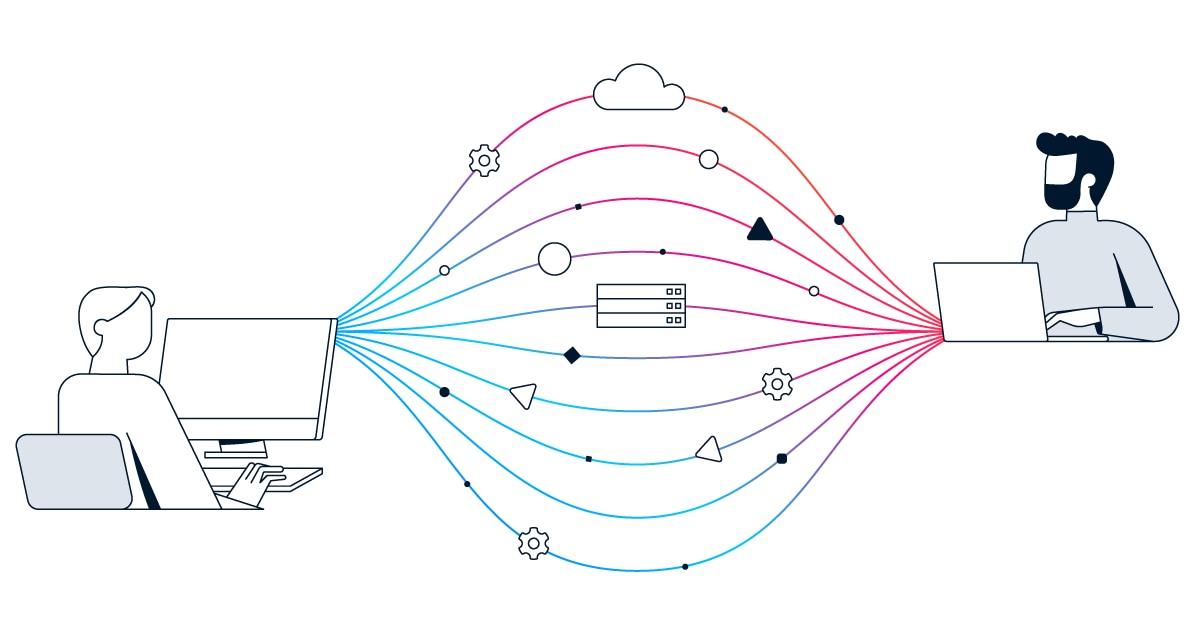
Branch networking functions by linking local devices to a wider network through a combination of local hardware and wide-area connectivity protocols. The modern branch networking process involves four primary functions:
- Local area connectivity
- Wide area connectivity
- Local internet breakout
- Centralized security and ZTNA
Local area connectivity
At the individual branch level, a local area network (LAN) connects devices such as laptops, point-of-sale systems, and IoT equipment. This is typically achieved through a combination of wired switches and wireless access points (WLAN), ensuring that all local resources can communicate with each other and the branch gateway.
Wide area connectivity
To reach resources outside the local office, the branch uses a Wide Area Network (WAN). In modern deployments, this is often managed via SD-WAN (Software-Defined Wide Area Network), which intelligently routes traffic across multiple connection types (such as MPLS, broadband, or 5G) based on real-time network health and application priority.
Local internet breakout
A critical feature of modern branch architecture is local internet breakout. This allows the branch to route traffic for SaaS applications, like Office 365 or web-based tools, directly to the internet rather than sending it back to a central data center first. By shortening the data path, organizations significantly reduce latency and improve the user experience for cloud-resident applications.
Centralized security and ZTNA
Because modern branch networking often utilizes the public internet, security must be integrated into the connection. Many organizations are moving away from traditional VPNs in favor of Zero Trust Network Access (ZTNA).
In the ZTNA model, the branch network is treated as "untrusted," and every user or device must be continuously verified before gaining access to specific applications, regardless of their physical location.