
Cybersecurity
takes a village
Life moves at you fast. Bad actors lurk around every corner as our world is increasingly interconnected. The rapidly changing cybersecurity landscape introduces new threats, from deepfakes to novel social engineering scams. While you need to protect yourself, it is up to all of us to be prepared and vigilant.












A real cybersecurity story
Trust Talks
One man’s quest to protect loved ones from bad actors
Follow Carl Benyard as he seeks answers from experts on how to stay cyber-safe after a loved one falls for a social engineering scam.
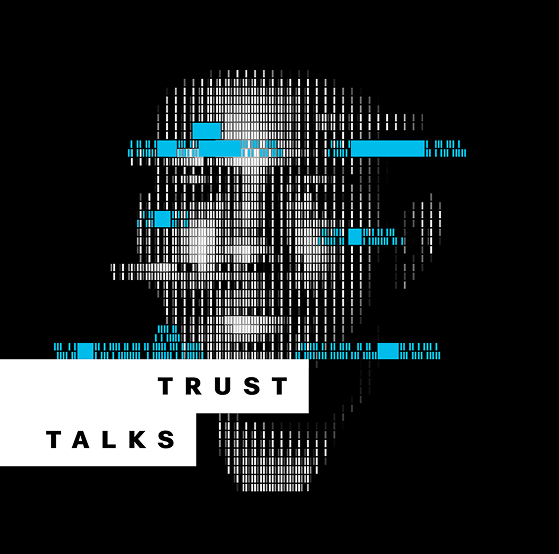
Trust Talks
Hybrid work comes with cyber risks
Whether you work remotely full-time, travel for work or split your time between the office and home, you can unwittingly expose your company networks to vulnerabilities. If you implement these cybersecurity measures, you can keep your organization safe.
Download more hybrid work tips
-

Always choose multifactor authentication (MFA) whenever possible. MFA offers an extra layer of protection, which makes it more difficult for bad actors to access your information.
-

Sign out of your accounts once you are no longer using them. Staying signed in makes it easier for bad actors to gain access to your accounts because they don’t have to re-enter a password can bypass MFA.
-

Never save your passwords in your browser or applications. If your device is stolen or hacked, saved passwords become a liability and grant easy access to bad actors.
-

Review all your devices and applications for privacy and security permissions. If access to content (e.g., contacts, location, camera, microphone, etc.) is not needed to deliver the service, do not accept its use or turn it off to protect your privacy better.
Help schools in your community stay cyber-safe
It is essential to keep our schools safe from cybersecurity threats. Unfortunately, K–12 is a prime target for bad actors due to the large amounts of personal and financial data. Nearly 1,000 schools across the U.S. were impacted by ransomware attacks in 2022, disrupting education and compromising sensitive student and staff data.

-

Teachers, prepare yourself with this guide to student online safety. Teach your class to keep it private and safe by not sharing personal information like their name, address or school online.
-

Remind them what goes online and stays online, so they should think before they share. Read more here.
-

Help them be skeptical, think before they click and be careful where they click. Help them be skeptical, think before they click, especially with online learning—read more here.
-

Emphasize the need for strong passwords that mix letters, numbers and symbols.
Trusted cybersecurity resources
From learning about threats to taking action, stay updated on the threat landscape and learn more about things you can do to keep yourself and your community cyber-safe.
-

Know where to go. If you see something, say something. You can report issues to:
United States: The Internet Crime Complaint Center (IC3.gov) and National Do Not Call Registry (FTC)
Europe: Report Cybercrime Online
If you are outside of these jurisdictions, be sure to find your local reporting agency. -

Get smart about cybersecurity. Check out these sites for more information: America’s Cyber Defense Agency
Stay Safe Online -

Get involved. Help spread awareness of cybersecurity in your work and home communities.