

Transform experiences with resilient and reliable wireless. Whether it's on-premises or cloud-managed, Cisco wireless delivers high-performance products that can work anywhere, anytime.
Security built in
Encrypted threats are the new normal. Design an intelligent network that can detect and help stop them.
IoT-ready
Monitor and manage devices and IoT sensors with a comprehensive on-premises or cloud dashboard.
Above-and-beyond reliability
Go beyond basic connectivity and security. Build a robust Wi-Fi 7 network that works for you.
The power of partnerships
Innovation doesn't happen in a vacuum. Take advantage of integrations with Cisco partners and other tools.
Real-time, remote monitoring
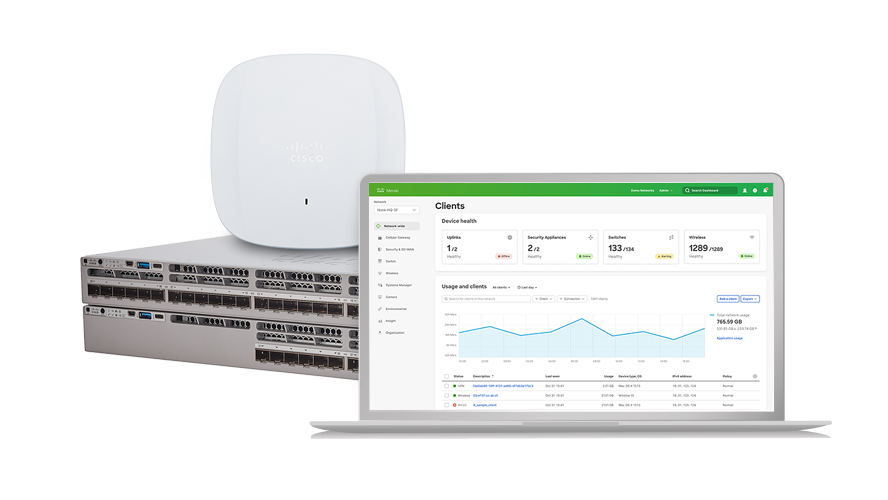
Monitor your on-premises or hybrid network anywhere, anytime with the cloud-managed Meraki dashboard.
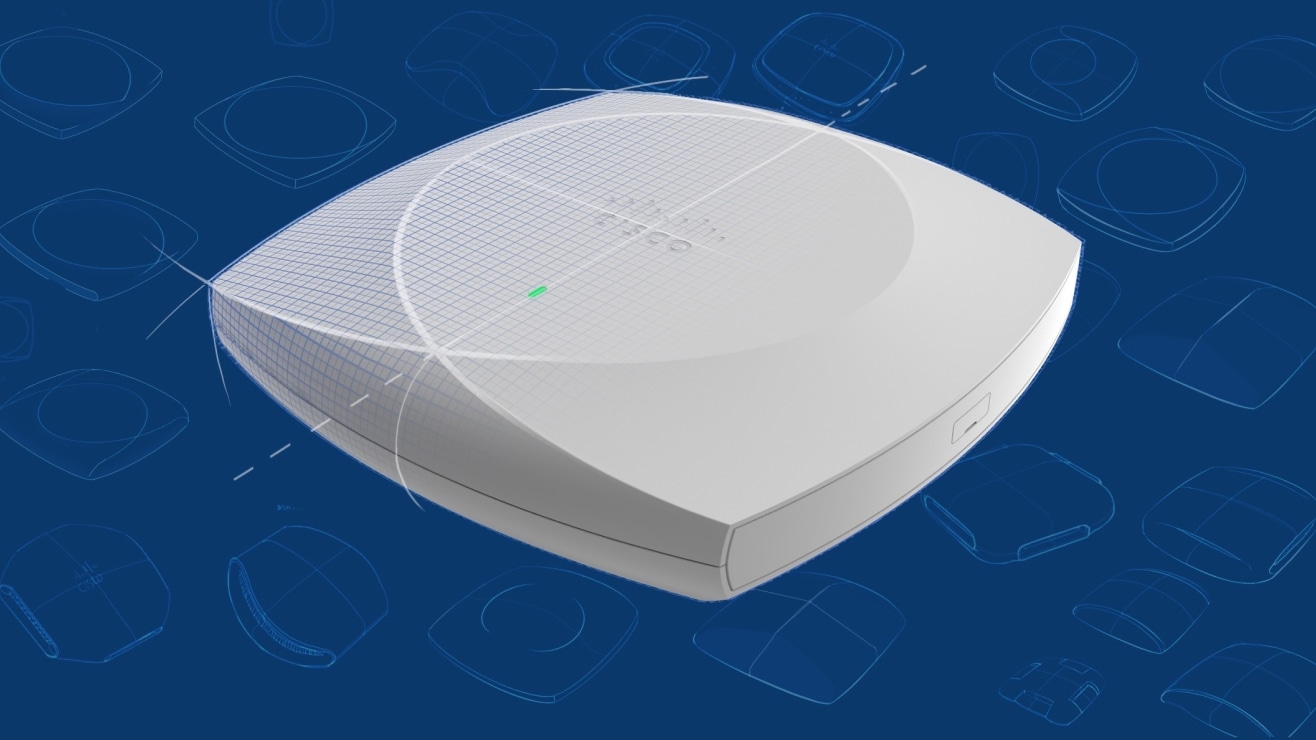

Indoor
CW9179F
Ultra-high-performance Wi-Fi 7 for high-density large public venues
- 4x4:4 MU-MIMO (2.4 GHz, 5 GHz, 5 GHz, and 6 GHz)
- Integrated Bluetooth Low Energy®/IoT, GNSS/GPS and dedicated scan radio
- Switchable radio configurations, tailoring beams for optimal coverage in varied environments
CW9178I
Ultra-high-performance Wi-Fi 7 for high-density environments
- 4x4:4 MU-MIMO (2.4 GHz, 5 GHz, 5 GHz, and 6 GHz)
- Integrated Bluetooth Low Energy®/IoT, GNSS/GPS, ultra-wideband and dedicated scan radio
- Dual 10 Gbps multigigabit Ethernet
CW9176D1
High-performance Wi-Fi 7 internal directional antenna
- 4x4:4 MU-MIMO (2.4 GHz, 5 GHz, and 6 GHz), flexible configuration
- Integrated Bluetooth Low Energy®/IoT, GNSS/GPS, ultra-wideband and dedicated scan radio
- 10 Gbps multigigabit Ethernet
CW9176I
High-performance Wi-Fi 7 internal omnidirectional antenna
- 4x4:4 MU-MIMO (2.4 GHz, 5 GHz, and 6 GHz), flexible configuration
- Integrated Bluetooth Low Energy®/IoT, GNSS/GPS, ultra-wideband and dedicated scan radio
- 10 Gbps multigigabit Ethernet
CW9174I
Wi-Fi 7 with internal omnidirectional antenna for moderate to high-density deployments
- 2x2:2 MU-MIMO (2.4 GHz), 4x4:4 MU-MIMO (5 GHz and 6 GHz) or 4x4:4 MU-MIMO (2.4 GHz and 5 GHz)
- Integrated Bluetooth Low Energy®/IoT and dedicated scan radio
- 5 Gbps multigigabit Ethernet, USB
CW9174E
Wi-Fi 7 with external antenna connector for moderate to high-density deployments
- 2x2:2 MU-MIMO (2.4 GHz), 4x4:4 MU-MIMO (5 GHz and 6 GHz) or 4x4:4 MU-MIMO (2.4 GHz and 5 GHz)
- Integrated Bluetooth Low Energy®/IoT and dedicated scan radio
- 5 Gbps multigigabit Ethernet, USB
CW9172I
Wi-Fi 7 for moderate-density deployments with internal omnidirectional antennas
- 2x2:2 MU-MIMO (2.4 GHz, 5 GHz and 6 GHz)
- Integrated Bluetooth Low Energy®/IoT and dedicated scan radio
- 2.5 Gbps multigigabit Ethernet, USB
CW9172H
Wall plate with internal omnidirectional antennas
- 2x2:2 MU-MIMO (2.4 GHz, 5 GHz and 6 GHz)
- Integrated Bluetooth Low Energy®/IoT and dedicated scan radio
- 2.5 Gbps multigigabit Ethernet, three 1 Gbps LAN ports
CW9171
Wi-Fi 7 for lower-density environments in compact form factor with internal omnidirectional antennas
- 2x2:2 MIMO (2.4 GHz, 5 GHz/6 GHz)
- Integrated Bluetooth Low Energy®/IoT and dedicated scan radio
- 2.5 Gbps multigigabit Ethernet, USB
Outdoor
CW9179F
Ultra-high-performance Wi-Fi 7 for high-density large public venues
- 4x4:4 MU-MIMO (2.4 GHz, 5 GHz, 5 GHz, and 6 GHz)
- Integrated Bluetooth Low Energy®/IoT, GNSS/GPS and dedicated scan radio
- Switchable radio configurations, tailoring beams for optimal coverage in varied environments
CW9177I
High-performance Wi-Fi 7 for high-density outdoors
4x4:4 MU-MIMO (2.4 GHz, 5 GHz, and 6 GHz)
Integrated Bluetooth Low Energy®/IoT, GNSS/GPS, and dedicated scan radio
10 Gbps multigigabit Ethernet and a dual rate (1/10) Gbps SFP/SFP+ fiber port
CW9177D
High-performance internal directional antenna Wi-Fi 7 for high-density outdoors
4x4:4 MU-MIMO (2.4 GHz, 5 GHz, and 6 GHz)
Integrated Bluetooth Low Energy®/IoT, GNSS/GPS, and dedicated scan radio
10 Gbps multigigabit Ethernet and a dual rate (1/10) Gbps SFP/SFP+ fiber port
CW9177E
High-performance Wi-Fi 7 for high-density outdoors with external antenna connectors
4x4:4 MU-MIMO (2.4 GHz, 5 GHz, and 6 GHz)
Integrated Bluetooth Low Energy®/IoT, GNSS/GPS, and dedicated scan radio
10 Gbps multigigabit Ethernet and a dual rate (1/10) Gbps SFP/SFP+ fiber port
Indoor
CW9166D1
Ultra-high-performance Wi-Fi 6E for large, mission-critical deployments with integrated directional antennas
- 4x4:4 MU-MIMO (2.4 GHz, 5 GHz and 6 GHz)
- Integrated Bluetooth Low Energy®/IoT, band steering, and XOR Radio, which allows dual 5 GHz usage
- 5 Gbps multigigabit Ethernet ports, USB
CW9166
Ultra-high-performance Wi-Fi 6E for large, mission-critical deployments with integrated omini-directional antenna
- 4x4:4 MU-MIMO (2.4 GHz, 5 GHz and 6 GHz)
- Integrated Bluetooth Low Energy®/IoT, band steering, and XOR Radio, which allows dual 5 GHz usage
- 5 Gbps multigigabit Ethernet, USB
CW9164I
Wi-Fi 6E for small and midsize deployments
- 2x2:2 MU-MIMO (2.4 GHz) and 4x4:4 MU-MIMO (5 GHz, 6 GHz)
- Integrated Bluetooth Low Energy®/IoT and scanning radio
- 2.5 Gbps multigigabit Ethernet, USB
CW9162I
General purpose Wi-Fi 6E for smaller site deployments
- 2x2:2 MU-MIMO (2.4 GHz, 5 GHz and 6 GHz)
- Integrated Bluetooth Low Energy®/IoT and scanning radio
- 2.5 Gbps multigigabit Ethernet, USB
C9136I
Wi-Fi 6E for large, high-density deployments
- 4x4:4 MU-MIMO (2.4 GHz, 5GHz, 6GHz), 8x8:8 MU-MIMO (5 GHz)
- Integrated Bluetooth Low Energy®/IoT and scanning radio
- Dual-uplink 5 Gbps multigigabit Ethernet
- Embedded environmental sensors
MR57
Ultra-high-performance Wi-Fi 6E
- 4x4:4 MU-MIMO (2.4 GHz, 5GHz, 6GHz)
- Integrated Bluetooth Low Energy®/IoT and scanning radio
- Dual 5 Gbps multigigabit Ethernet ports, USB
Outdoor
CW9163E
Outdoor Wi-Fi 6E with external antennas
- 2x2:2 MU-MIMO (2.4 GHz, 5GHz, 6GHz)
- Integrated Bluetooth Low Energy®/IoT and scanning radio
- 2.5 Gbps multigigabit Ethernet
Industrial
IW9167E
Outdoor Wi-Fi 6E with external antennas
4x4:4 MU-MIMO (2.5GHz, 5GHz, 5GHz/6GHz)
Integrated Bluetooth Low Energy®/IoT and scanning radio
Dual uplink 5 Gbps multigigabit Ethernet, optional M12 converter
EN50155
IW9167E-HZ
Outdoor Wi-Fi 6E with external antennas for hazardous locations
4x4:4 MU-MIMO (2.5GHz, 5GHz, 5GHz/6GHz)
Integrated Bluetooth Low Energy®/IoT and scanning radio
Dual uplink 5 Gbps multigigabit Ethernet, permanent M25 converter
EN50155, Class I, Division 2, Zone 2/22, ATEX, and IECEx
IW9167I
Outdoor Wi-Fi 6E with internal omnidirectional antenna
- 4x4:4 MU-MIMO (2.5GHz, 5GHz, 6GHz)
- Integrated Bluetooth Low Energy®/IoT and scanning radio
- Dual uplink 5 Gbps multigigabit Ethernet
IW9165E
Din-Rail Compact form factor for easy deployment in moving assets:
- 2x2:2 MU-MIMO (5GHz, 5GHz/6GHz)
- Integrated Bluetooth Low Energy®/IoT
- 5 Gbps multigigabit Ethernet, optional M12 converter
- EN50155
IW9165D
Outdoor Wi-Fi 6E with built-in directional antennas and optional external antennas:
- 2x2:2 MU-MIMO (5GHz, 5GHz/6GHz)
- Integrated Bluetooth Low Energy®/IoT
- 5 Gbps multigigabit Ethernet, optional M12 converter
Indoor
C9130AXI
Wi-Fi 6 for large deployments with internal antennas
- 4x4:4 (2.4 GHz, 5 GHz), 8x8:8 (5 GHz)
- Cisco RF ASIC, and Integrated Bluetooth Low Energy®/IoT and scanning radio
- 5 Gbps multigigabit Ethernet
C9130AXE
Wi-Fi 6 for large deployments with external antennas
- 4x4:4 (2.4 GHz, 5 GHz), 8x8:8 (5 GHz)
- Cisco RF ASIC, and Integrated Bluetooth Low Energy®/IoT and scanning radio
- 5 Gbps multigigabit Ethernet
C9120AXI
Wi-Fi 6 for large to midsize deployments with internal antennas
- 4x4:4 (2.4 GHz, 5 GHz)
- Cisco RF ASIC, and Integrated Bluetooth Low Energy®/IoT and scanning radiov
- Cisco FRA and Cisco CleanAir Technology
- 2.5 Gbps multigigabit Ethernet
C9120AXE
Wi-Fi 6 for large to midsize deployments with external antennas
- 4x4:4 (2.4 GHz, 5 GHz)
- Cisco RF ASIC, and Integrated Bluetooth Low Energy®/IoT and scanning radio
- Cisco FRA and Cisco CleanAir Technology
- 2.5 Gbps multigigabit Ethernet
C9115AXI
Wi-Fi 6 for midsize deployments with internal antennas
- 4x4:4 MU-MIMO (2.4 GHz, 5 GHz)
- Integrated Bluetooth Low Energy®/IoT
- 2.5 Gbps multigigabit Ethernet
C9115AXE
Wi-Fi 6 for midsize deployments with external antennas
- 4x4:4 MU-MIMO (2.4 GHz, 5 GHz)
- Integrated Bluetooth Low Energy®/IoT
- 2.5 Gbps multigigabit Ethernet
C9105AXI
Wi-Fi 6 for entry-level deployments with internal antennas
- 2x2:2 (2.4 GHz, 5 GHz)
- Integrated Bluetooth Low Energy®/IoT
- 1 Gbps Ethernet
C9105AXW
Wall plate Wi-Fi 6 for entry-level deployments
- 2x2:2 (2.4 GHz, 5 GHz)
- Integrated Bluetooth Low Energy®/IoT
- 2.5 Gbps multigigabit Ethernet, three 1 Gbps LAN ports
MR46
High-density wireless
- 4×4:4 UL/DL MU-MIMO and OFDMA
- 2.5 Gbps multigigabit Ethernet
MR46E
Wi-Fi 6 with multigigabit Ethernet and external antennas
- 4×4:4 UL/DL MU-MIMO and OFDMA
- 2.5 Gbps Ethernet
MR44
Wi-Fi 6 with multigigabit Ethernet and dedicated security radio
- 4×4:4 UL/DL MU-MIMO and OFDMA
- 1 Gbps Ethernet
MR36
Entry-level Wi-Fi 6 designed for medium-density deployments
- 2×2:2 UL/DL MU-MIMO and OFDMA
- 1 Gbps Ethernet
MR36H
Wall plate Wi-Fi 6 for medium-density deployments
- 2×2:2 UL/DL MU-MIMO and OFDMA
- 1 Gbps Ethernet with 3 LAN ports
MR28
Entry-level Wi-Fi 6 designed for smaller-deployments
- 2×2:2 UL/DL MU-MIMO and OFDMA
- 1 Gbps Gigabit Ethernet
Outdoor
C9124AXI
Wi-Fi 6 for outdoor deployments with internal ominidirectional antenna
- 4x4:4(2.4 GHz, 5 GHz)
- Cisco RF ASIC, and integrated Bluetooth Low Energy®/IoT
- 2.5 Gbps multigigabit Ethernet
C9124AXE
Wi-Fi 6 for outdoor deployments with external antenna
- 4x4:4(2.4 GHz, 5 GHz)
- Cisco RF ASIC, and integrated Bluetooth Low Energy®/IoT
- 2.5 Gbps multigigabit Ethernet
C9124AXD
Wi-Fi 6 for outdoor deployments with internal directional antennas
- 4x4:4(2.4 GHz, 5 GHz)
- Cisco RF ASIC, and integrated Bluetooth Low Energy®/IoT
- 2.5 Gbps multigigabit Ethernet
MR86
Outdoor Wi-Fi 6E for high-density deployments
- 4x4:4 MU-MIMO and OFDMA with beamforming
- 2.5 Gbps Multigigabit Ethernet
MR78
Outdoor Wi-Fi 6 with internal antennas
- 2×2:2 MU-MIMO and OFDMA
- 1 Gbps Ethernet
MR76
Outdoor Wi-Fi 6 with external antennas
- 2×2:2 MU-MIMO and OFDMA
- 1 Gbps Ethernet
Cisco DNA Software for Wireless
Boost your network's intelligence with Cisco DNA Software.
Cisco Meraki platform
Remotely configure and manage your wireless network on the Meraki cloud-first platform.
Cisco Catalyst Center
Get better performance and spend less time managing your network.
Cisco Networking Subscription
Streamline management of Cisco software, hardware, services, and platforms.
Flexible cloud-managed access points
Choose the management style that fits your business with flexible on-premises or cloud-managed wireless solutions
High-performance controllers and gateways
Scale your network with robust wireless LAN controllers and campus gateways built for reliability and high performance.
Rugged outdoor and industrial wireless
Connect your most challenging environments with our durable, high-performance outdoor and industrial wireless solutions.
On-Demand: Wireless AgenticOps
Learn how to optimize your wireless operations and resolve issues faster using new AI-native capabilities.

Get the guidance that you need
Cisco Lifecycle Services
Move your business forward
Build modern IT environments faster with analytics-driven advisory services.