Latest trends in DDoS attacks
Denial-of-service attacks were originally used by hacktivists to disrupt network access. Today's DDoS attacks are more sophisticated and far more damaging. According to Cloudflare, there were 47.1 million DDoS attacks in 2025, with a more than three-fold increase in network-layer attacks. .. The following trends have resulted in escalating damage.
Perhaps the most devastating DDoS attack of 2025 was the massive “The Night Before Christmas” attack initiated by Aisuru-Kimwolf botnet that impacted Cloudflare customers and Cloudflare infrastructure. This attack was considered a hyper-volumetric HTTP DDoS attack that hit at a rate that exceeded 200 million requests per second (rps).
Botnets
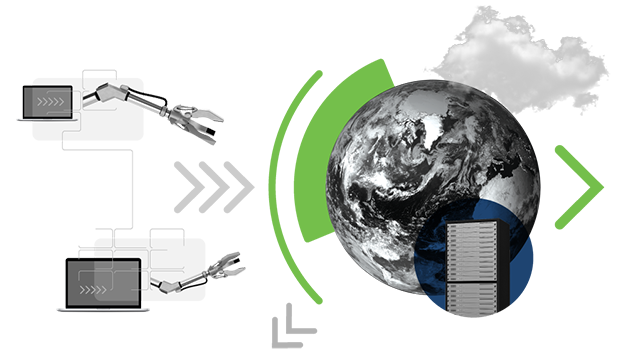
IoT botnets are being harnessed to launch massive, volumetric DDoS attacks that can quickly overwhelm networks.
Application layer
Sophisticated application-layer (L7) attacks exhaust server resources and bring services to a standstill. L7 has become the attack vector of choice.
Encryption
An estimated 90 percent of internet traffic is now encrypted, and attackers are using encrypted traffic to launch a flood of powerful SSL DDoS attacks.
Volume
Primarily due to botnets, the volume of DDoS attacks continues to grow. The Dyn DDoS attack in October 2016 was 1.2 Tbps. Just over three years later, AWS observed a 2.3 Tbps UDP reflection attack that is believed to be the largest DDoS attack in history.
Tools
Another troubling trend is the widespread availability of tools that help malicious actors launch devastating DDoS attacks easily, quickly, and inexpensively. These include tools to:
- Leverage DDoS-as-a-service
- Buy/rent a turnkey, ready-to-go botnet
- Use widely available public information to build a DDoS attack
- Hire a contractor to build and execute a DDoS attack