



 40 / 60

36
Cybersecurity in ASEAN: An Urgent Call to Action
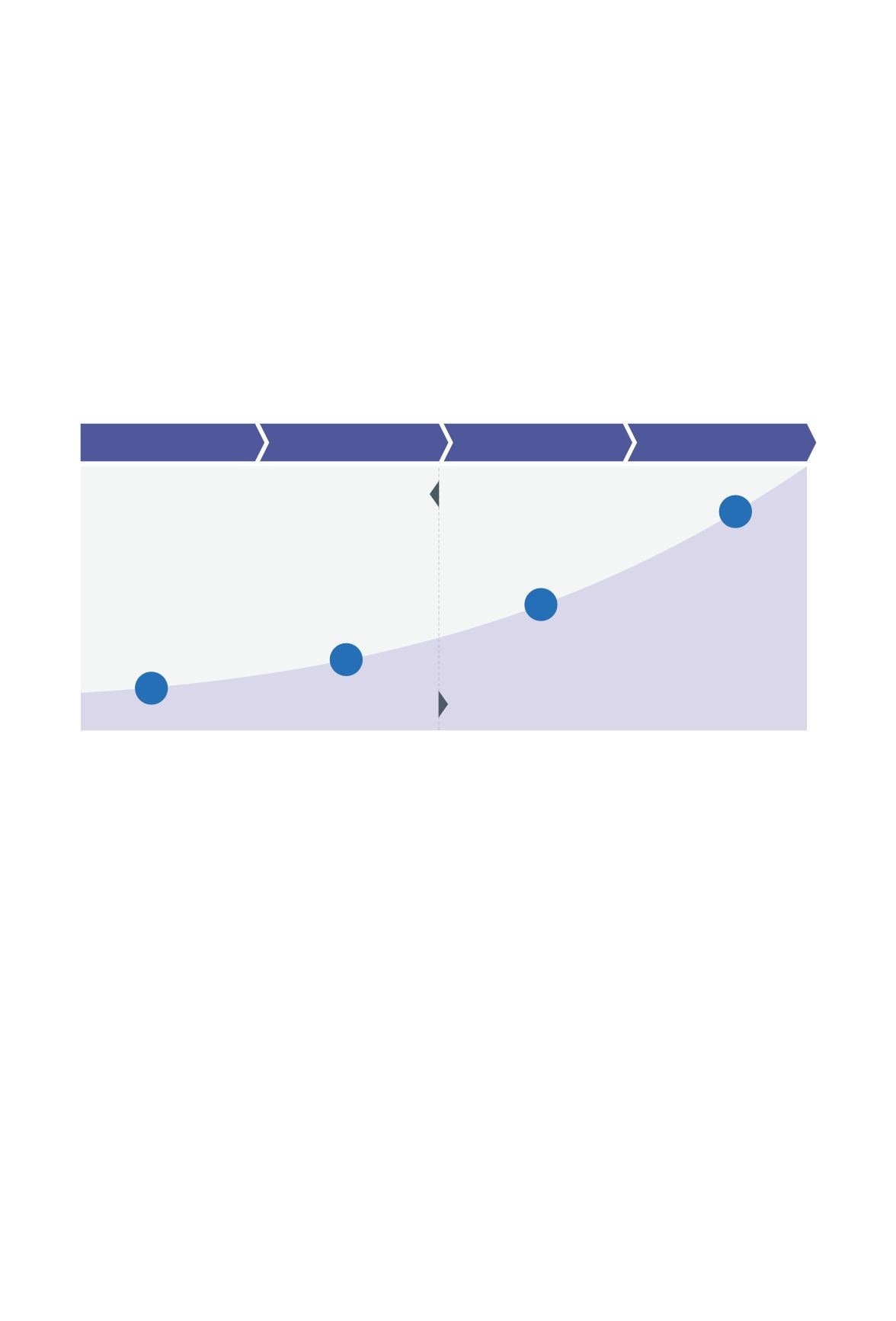
As digitalization grows, security must also mature (see figure 26). An organization’s evolution
across the various stages of cyber excellence could be measured and tracked, providing a
useful measure of cyber readiness. A security maturity model can help map an organization’s
digital transformation journey against its security profile (see Appendix A on page 50). For
smaller organizations looking to partner with large multinationals or CII owners, performance
on the security maturity model should be a threshold requirement for doing business. This will
raise the profile of cybersecurity among all business partners and promote resilience across the
supply chain. Singapore’s Cybersecurity Bill calls for regular system audits by an approved third
party. For CII owners, a maturity model can help identify cybersafe business partners.
Source: A.T. Kearney analysis
Figure
Security as a digital enabler
Digital Progressive
Digital Transformer
Digital Disrupter
Digital Explorer
Tipping Point
Diminishing capability
increasing complexity
Security as a platform
digital enabler
Increasingagility
Reducing risk
Security controls
focused
Minimal to
comply
Threat focused
to protect
Agility to grow
the business
Cyber insurance companies are increasingly looking at an organization’s strategy, policy, and
governance while pricing cyber insurance. Depending on the sector, a vulnerability scan or a
penetration test may also be carried out in addition to reviewing the size of the security budget
in relation to the total IT budget. Putting in place a comprehensive, layered cybersecurity
strategy can help businesses reduce their insurance spend.
3.3.2 Instill a culture of transparency in sharing threat intelligence
Defending a country’s digital assets requires close cooperation across a range of stakeholders,
including government agencies, the private sector, and end users. Despite general agreement
about the need to do this, information-sharing remains inadequate both globally and in the
region. Legal impediments—some real, some perceived—are obstacles to more robust
information sharing among private-sector entities and between the private sector and the
government. The US Cybersecurity Information Sharing Act aims to improve cybersecurity by
giving private companies liability protection when they share relevant information with federal
or private entities, allowing companies to remove information that identifies someone who is
not directly related to a threat.