
Our Purpose is core to who we are and what we do
Our Purpose story comes to life through four interconnected pillars, CORE:
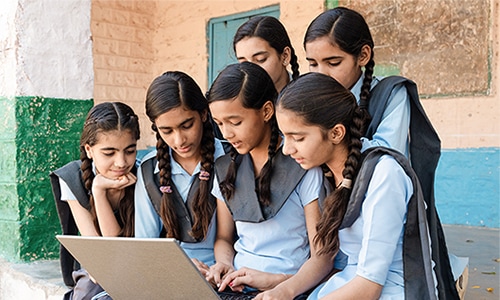
Community resilience
We empower communities to adapt and thrive through digital readiness, crisis response, and strategic investments.
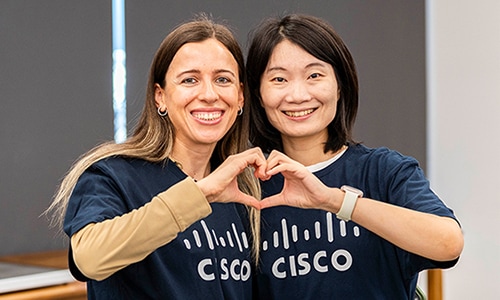
Our people
Our people fuel our business — and our award-winning culture — through their commitment to learning, connection, and collaboration.

Responsible innovation
Our technology connects and protects in the AI era. We prioritize security, privacy, trust, and ethics in what we build and how we build it.

Energy & sustainability
Through our products, solutions, and operations, we drive energy efficiency and resilience for Cisco, our customers, and communities.

Community resilience
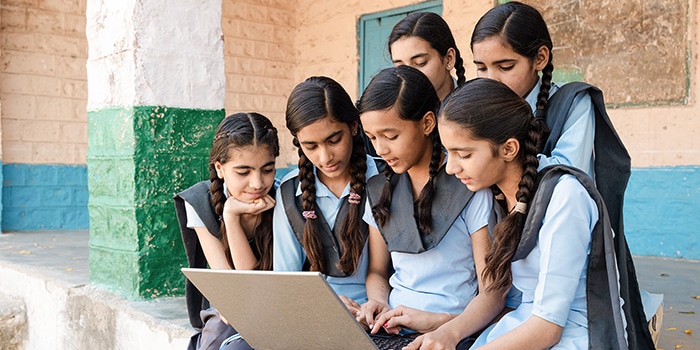
FY25 Highlights
$0M
$519 In-kind contributions through Learn with Cisco
0M
154 million Lives positively impacted through the Cisco Foundation and Social Impact Investments
0M
5.3 million Cisco Networking Academy students
0
31 natural disasters and humanitarian crises responded to by Cisco Crisis Response
Featured Stories
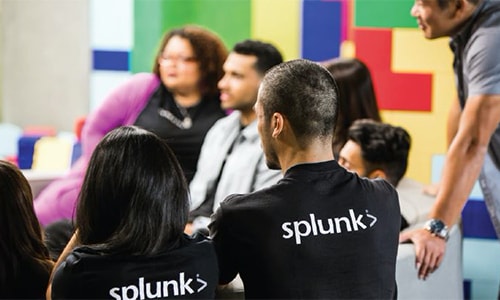
Splunk Academic Alliance
Splunk Academic Alliance is shaping the cybersecurity leaders of tomorrow—starting today—through free Splunk training and certifications.

A Decade of Global Impact
From powering AI in Saudi Arabia to driving autonomous vehicle innovation in Italy, Cisco’s Country Digital Acceleration program is advancing digital transformation worldwide.
Our people
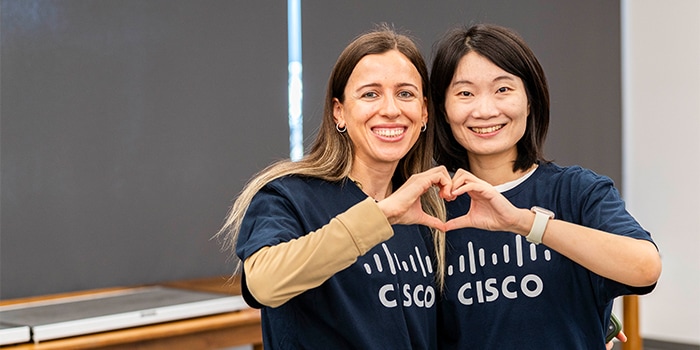
FY25 Highlights
0%
81% Of employees participated in community impact actions, such as donating and volunteering
0
573,000 Employee volunteer hours

3 new Guiding Principles that shape how employees lead, learn, and work in the AI era
0
31 Employee-led Inclusive Communities, bringing together employees around the globe
Featured Stories
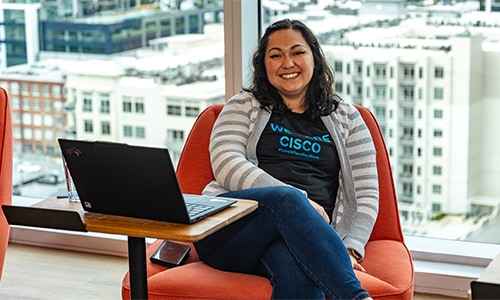
Upskilling in the AI Era
AI is transforming how we work — and our employees are leading the way.
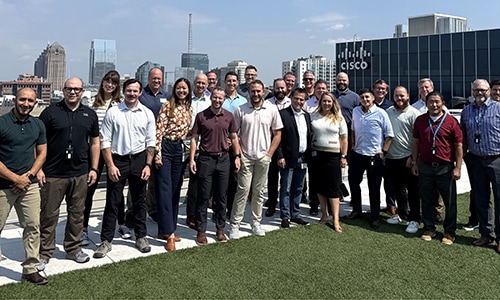
Veteran Leadership Program
The VETS Inclusive Community developed this program to bridge the gap between military and civilian careers.
Responsible innovation

FY25 Highlights
0B
886 billion Security events per day processed through Cisco Talos (up to)
0%
99.9% Employees completed Cisco's Code of Business Conduct training
0
40000 Learners participated in cybersecurity simulations
0
27 Languages available in Cisco's EthicsLine, our resource to report actual or potential human rights concerns
Featured Stories
Advancing Responsible AI
Connecting and protecting in the AI era takes a global approach, so we’re advancing responsible AI worldwide.

Human Rights in Our Supply Chain
We are committed to respecting the human rights of all people, wherever we operate, throughout our value chain.
Energy & sustainability

FY25 Highlights
0%
100% Of new Cisco products and packaging incorporate our Circular Design Principles
0%
100% Renewable energy to match global annual electricity needs at Cisco owned and leased facilities
0%
90% Reduction in Scope 1 and Scope 2 emissions, compared to FY19 base year
$0M
49 million In grants and investments toward the Cisco Foundation $100M commitment to climate solutions since FY21
Featured Stories
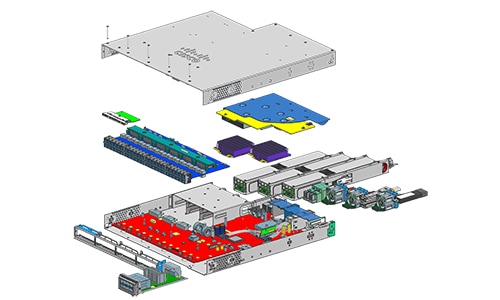
Achieving 100% Circular Design
Circular design is fully embedded into every new Cisco product and package. But reaching this milestone didn't happen overnight—it’s the result of a multiyear journey.
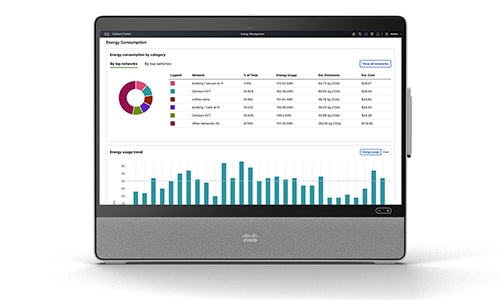
Energy Data Visibility
Cisco’s Energy Management capability helps customers get smarter about their own energy use so they can make more data-driven decisions.