Use Cases


This chapter describes the most common Cisco Broadband Access Center (BAC) API use cases. These use cases are directly related to device provisioning and device management provisioning.

Many system configuration and management operations, such as managing Class of Service, DHCP Criteria, and licenses, are not addressed here because these operations do not require integration with BSS and OSS. You can also use the Cisco BAC administrator user interface to perform most of these activities. See the Cisco Broadband Access Center 3.8 Administrator Guide, for details.

For more details on related API calls and sample API client code segments explaining individual API calls and features, refer to these resources that are available in the Cisco BAC installation directory:

API Javadocs, located at <BPR_HOME>/docs/nb-api/javadoc.

Sample API client code, located at <BPR_HOME>/rdu/samples/nb-api.

<BPR_HOME> is the home directory in which you install Cisco BAC. The default home directory is /opt/CSCObac.

This chapter lists various API constants and their functions. To execute any API, you must follow the steps described in the Getting Started with the BAC API chapter.

This chapter contains the following sections:

Provisioning Operations

Device Management Operations

Provisioning Operations

This section describes the following provisioning operation use cases:


Note The classfiles referenced in these use cases; for example, the AddDeviceExample.java classfile that illustrates how you can add a device record to the RDU, are only samples that are bundled with the Cisco BAC software.


Adding a device record to the RDU—See Table 7-1.

Searching device records in the RDU—See Table 7-2.

Associating a device record with a Class of Service in the RDU—See Table 7-3.

Associating a device record with an owner ID in the RDU—See Table 7-4.

Modifying a device record in the RDU—See Table 7-5.

Retrieving device faults cached in BAC servers—See Table 7-6.

Retrieving discovered device data from the RDU—See Table 7-7.

Retrieving device data with the property hierarchy—See Table 7-8.

Retrieving device operation history from the RDU—See Table 7-9.

Deleting device from the RDU— See Table 7-10

Table 7-1 Adding a Device Record to the RDU

Classfile
API

AddDeviceExample.java

IPDevice.add()

Adds a new device record to the RDU database. Uses the IPDevice.add() API and submits the batch synchronously with the NO_ACTIVATION flag.

This operation causes the RDU to generate instructions for the device, which are then cached in the DPE. Figure 7-1 explains adding/modifying a device record in the RDU with Activation mode = No_ACTIVATION.


Table 7-2 Searching Device Records in the RDU

Classfile
API

SearchDeviceExample.java

IPDevice.searchDevice()

Searches for a device record in the RDU database. Uses the IPDevice.searchDevice() API and submits the batch synchronously with the NO_ACTIVATION flag.


Table 7-3 Associating a Device Record with a Class of Service in the RDU

Classfile
API

ChangeDeviceCoSExample.java

IPDevice.changeClassOfService()

Associates a device to the specified class of service. Uses the IPDevice.changeClassOfService() API and submits the batch synchronously with the NO_ACTIVATION flag. This operation causes the RDU to generate instructions for the device, which are then cached in the DPE.


Figure 7-1 Change Device Class of Service (Activation mode= NO_ACTIVATION)
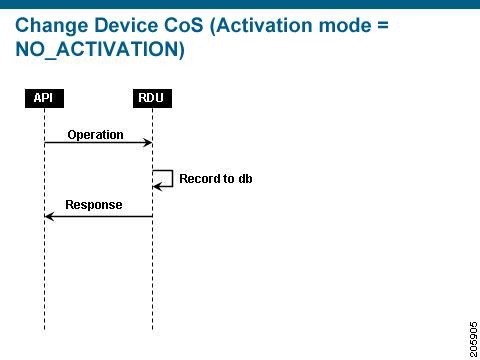
Table 7-4 Associating a Device Record with an Owner in the RDU 

Classfile
API

ChangeDeviceOwnerIdExample.java

IPDevice.changeOwnerID()

Associates the device record with the owner ID in the RDU. Uses the IPDevice.changeOwnerID() API and submits the batch synchronously with the NO_ACTIVATION flag. This operation causes the RDU to generate instructions for the device, which are then cached in the DPE.


Table 7-5 Modifying a Device Record in the RDU 

Classfile
API

ModifyDeviceExample.java

IPDevice.changeProperties()

Changes the properties of a device record stored in the RDU. Uses the IPDevice.changeProperties() API and submits the batch synchronously with the NO_ACTIVATION flag. This operation causes the RDU to generate instructions for the device, which are then cached in the DPE.


Table 7-6 Retrieving Device Faults Cached in BAC Servers

Classfile
API

RetrieveFaultsExample.java

IPDevice.getDetails()

Retrieves the device faults that are stored in the RDU and DPEs. Uses the IPDevice.getDetails() API and submits the batch synchronously with the NO_ACTIVATION flag.


Table 7-7 Retrieving Discovered Device Data in the RDU 

Classfile
API

QueryDeviceExample.java

IPDevice.getDetails()

Retrieves the discovered data of a device that is stored in the RDU. Uses the IPDevice.getDetails() API and submits the batches synchronously using the on-connect mode with the NO_ACTIVATION flag.


Table 7-8 Retrieving Device Data with the property hierarchy

Classfile
API

QueryDeviceExample.java

GetDetails.java

DeviceDetailsKeys.java

DTE.java

ObjectDetails.java

IPDevice.getDetails()

Retrieves the device data along with the property hierarchy of the device, that is stored in the RDU. Uses the IPDevice.getDetails() API and submits the batches using the immediate and on-connect mode.


Table 7-9 Retrieving Device Operation History from the RDU

Classfile
API

GetDeviceHistoryExample.java

IPDevice.getDeviceHistory()

Retrieves the history of a device that is stored in the RDU. Uses the IPDevice.getDeviceHistory() API and submits the batch synchronously with the NO_ACTIVATION flag.


Table 7-10 Delete Device from the RDU 

Classfile
API

DeleteDeviceExample.java

IPDevice.delete()

Deletes a device from the RDU. Uses the IPDevice.delete() API and submits the batch synchronously with the NO_ACTIVATION flag.


Device Management Operations

This section describes the following device management operation use cases:


Note The classfiles referenced in these use cases; for example, the GetDeviceLiveDataExample.java classfile that illustrates how you can retrieve live data from a device, are only samples that are bundled with the Cisco BAC software.


Retrieving live data, such as statistics, from a device—See Table 7-11.

Executing diagnostics on a device—See Table 7-12.

Rebooting a device—See Table 7-13.

Executing diagnostics on a device on its next connection—See Table 7-14.

Executing proxy operations on a device in asynchronous mode—See Table 7-15.

Executing the java script based DPE extensions—See Table 7-16.

Table 7-11 Retrieving Live Data from a Device 

Classfile
API

GetDeviceLiveDataImmediateExample.java

IPDevice.performOperation()

Retrieves live data directly from a device. Uses the IPDevice.performOperation() API to perform the TR-069 RPC GetParameterValues operation on the device and submits the batch synchronously using the immediate operation mode with the AUTOMATIC_ACTIVATION flag (to trigger a session with the device).

Figure 7-2 explains retrieving live data from devices.


Figure 7-2 Retrieving Live Data from a Device
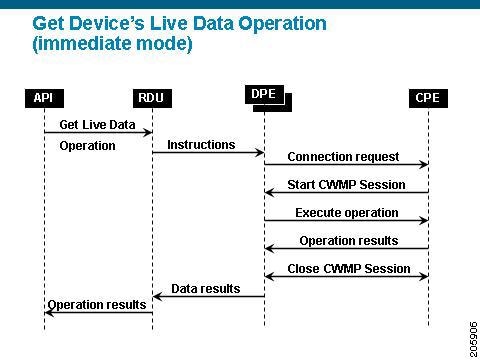
Table 7-12 Executing Diagnostics on a Device

Classfile
API

CwmpDiagnosticImmediateExample.java

IPDevice.performOperation()

Executes ping diagnostics on a device. Uses the IPDevice.performOperation() API to perform the TR-069 RPC SetParameterValue and then GetParameterValues operation on the device. Submits the batches synchronously using the immediate operation mode with the AUTOMATIC_ACTIVATION flag (to trigger the sessions with the device).


Table 7-13 Rebooting a Device

Classfile
API

RebootDeviceImmediateExample.java

IPDevice.performOperation()

Reboots a device using the TR-069 RPC Reboot. Uses the IPDevice.performOperation() API in the batch. Submits the batch synchronously using the immediate connection mode with the AUTOMATIC_ACTIVATION flag (to trigger a provisioning session with the device).


Table 7-14 Executing Diagnostics on a Device on its Next Connection
Classfile
API

CwmpDiagnosticOnConnectExample.java

IPDevice.performOperation()

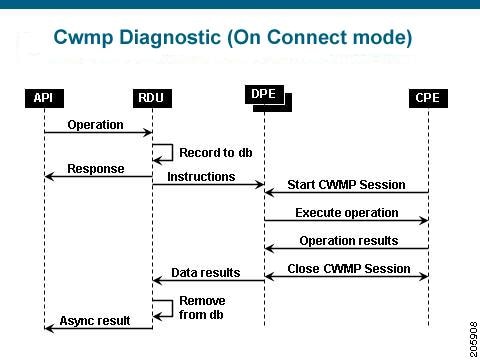
Executes ping diagnostics on a device. Uses the IPDevice.performOperation()API to perform the TR-069 RPC SetParameterValue and then GetParameterValues on the device.

Submits the batches in synchronous mode using the on connect mode with the NO_ACTIVATION flag. Figure 7-3 describes the workflow when submitting a batch to set the ping diagnostic parameters in the on-connect mode.


Figure 7-3 Executing Diagnostics on a Device on its Next Connection

Table 7-15 Executing Diagnostics on a Device in Asynchronous Mode
Classfile
API

GetLiveDataAsyncImmediateProxyOperationExample.java

IPDevice.performOperation()

Executes proxy operations on a device. Uses the IPDevice.performOperation()API to run the proxy TR-069 operations like GetParamNames and GetParamValues RPC, on the device.

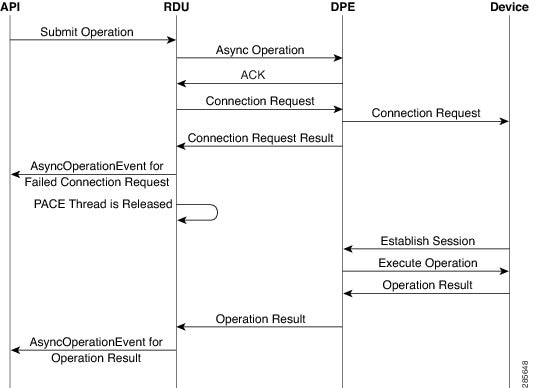
Asynchronous operation facilitates RDU to execute the asynchronous proxy operation batches received from API client, without reserving a PACE thread till proxy operation result is returned from DPE.

The asynchronous operation submits the batches in asynchronous mode using the activation mode as ASYNC_AUTOMATIC. Figure 7-4 describes the workflow when the API client submits a TR-069 operation request to RDU for running a proxy operation on the device.


Figure 7-4 Executing Diagnostics on a Device in Asynchronous Mode

Table 7-16 Executing the Java Script Based DPE Extensions

Script Types
Extensions

DPE Extension Scripts

Helper Scripts

soapRequestSender

soapResponseSender

incomingEventViewer

outgoingEventViewer

Scriptable extension service facilitates executing the java scripts based DPE extensions. When the CPE boots and attempts to establish connection with the DPE, the extension scripts will be executed at the following extension points:

IPDevice/extensions/soapRequestSender

IPDevice/extensions/soapResponseSender

IPDevice/extensions/incomingEventViewer

IPDevice/extensions/outgoingEventViewer

These extensions can be configured in the device property hierarchy at Class of Service (CoS), Device, Group, Provisioning group level and CWMP defaults.

For un-registered devices, the extensions can be configured from the admin UI at CWMP default level.

The extension scripts are added in the RDU database from the admin UI or API client. The following types of extension scripts are added in the RDU database:

DPE Extension scripts - which have the main provisioning logic

Helper scripts - which have the utility functions and can be shared by other scripts

Once the extension scripts are added in the RDU database, the RDU pushes the scripts to the DPE cache. When the device boots, and attempts to establish connection with the DPE, the DPE invokes the scriptable extension service and executes the extensions configured on the device property hierarchy.